How I photograph a scientist
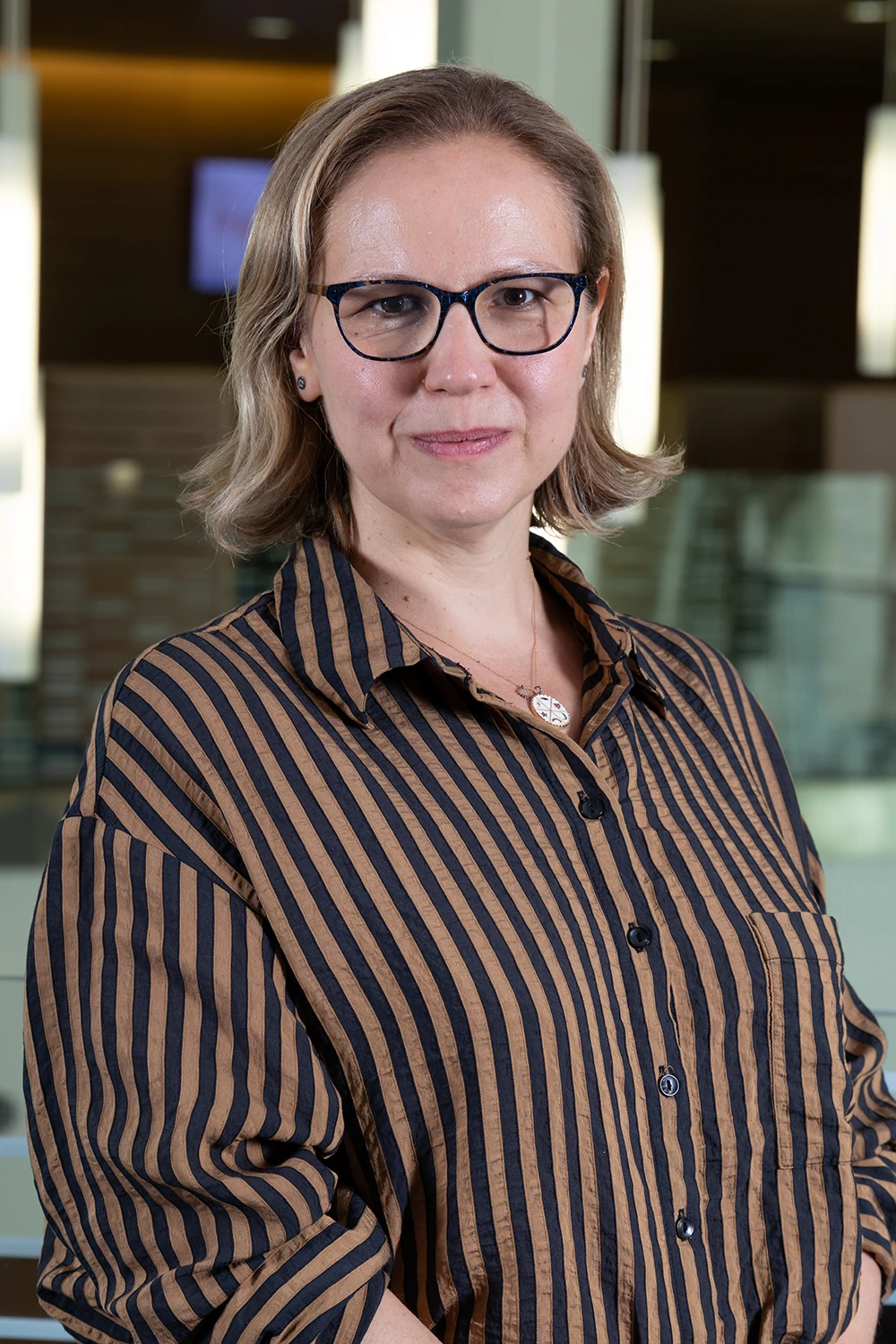
The first work was for the institute: portraits of researchers, and research photography for their materials. Video came after, with interviews and B-roll for science features where the lab was a partner.
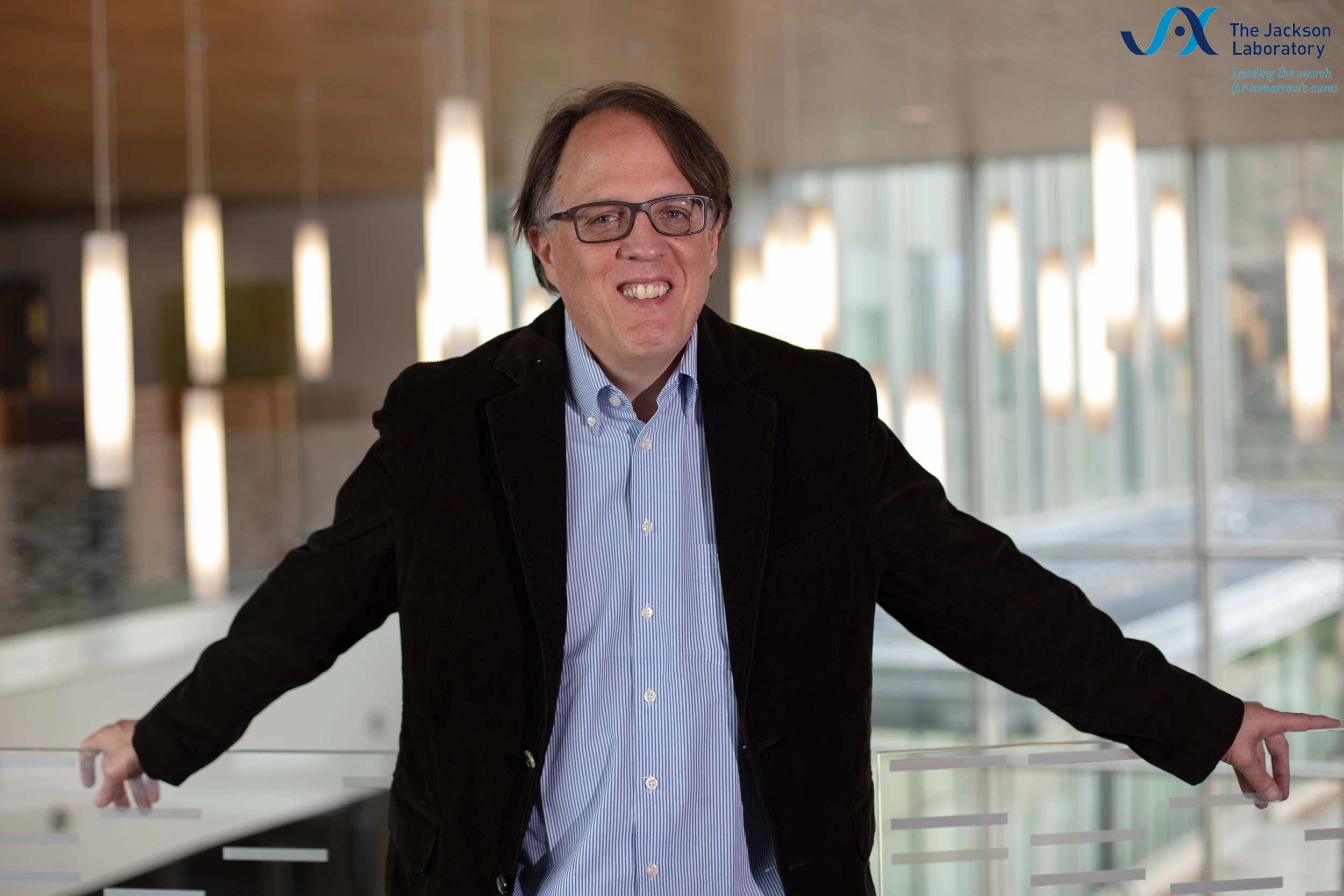
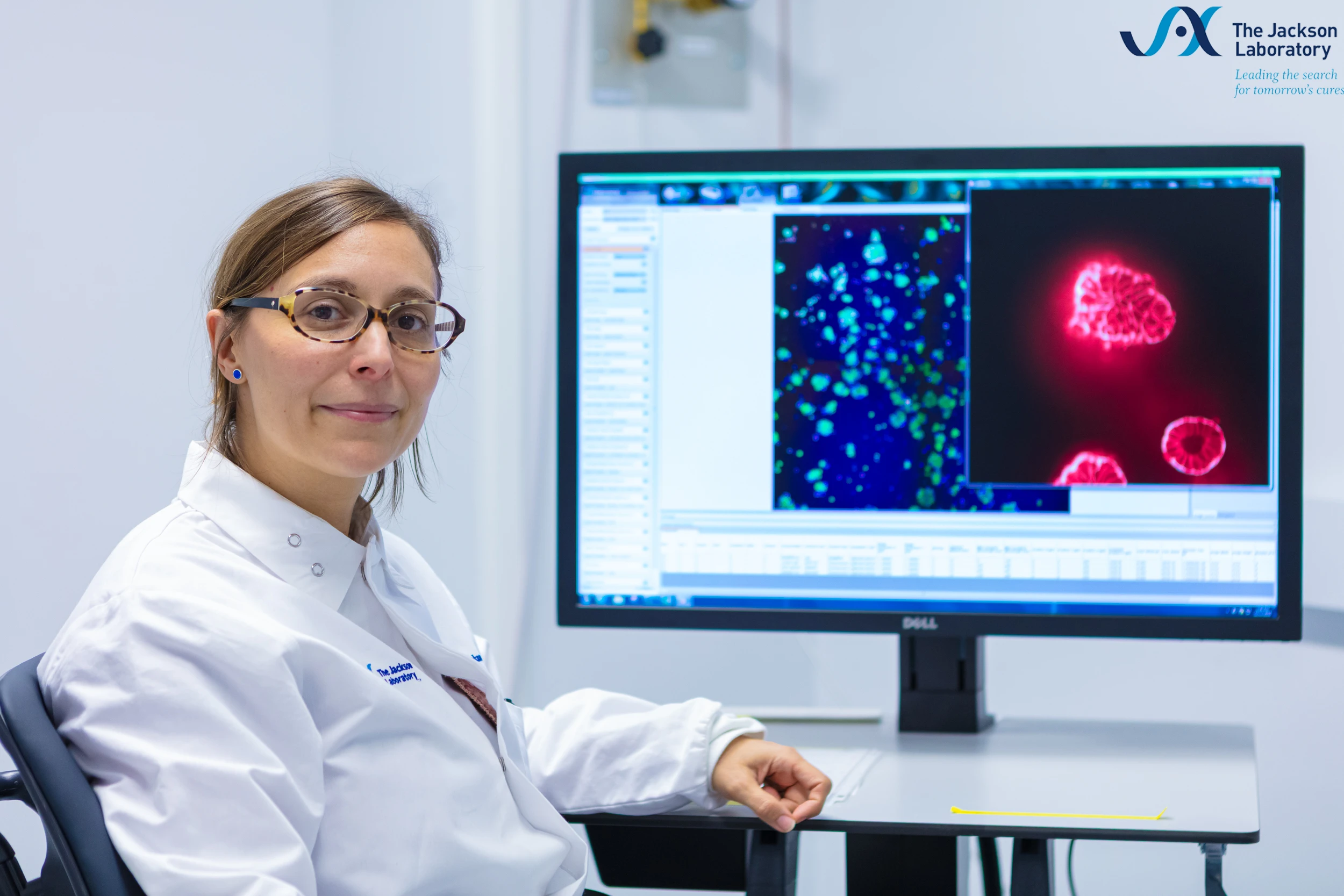
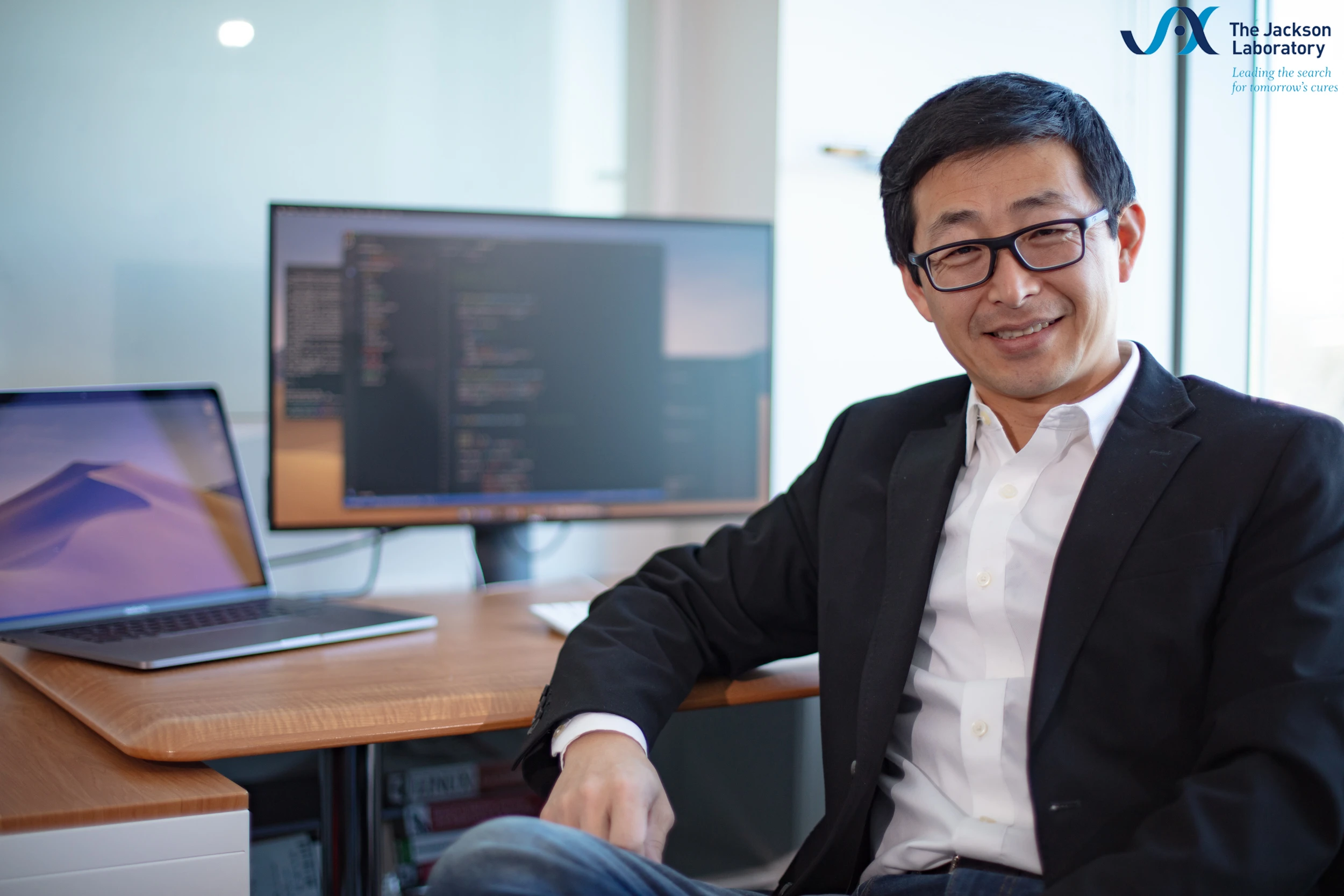
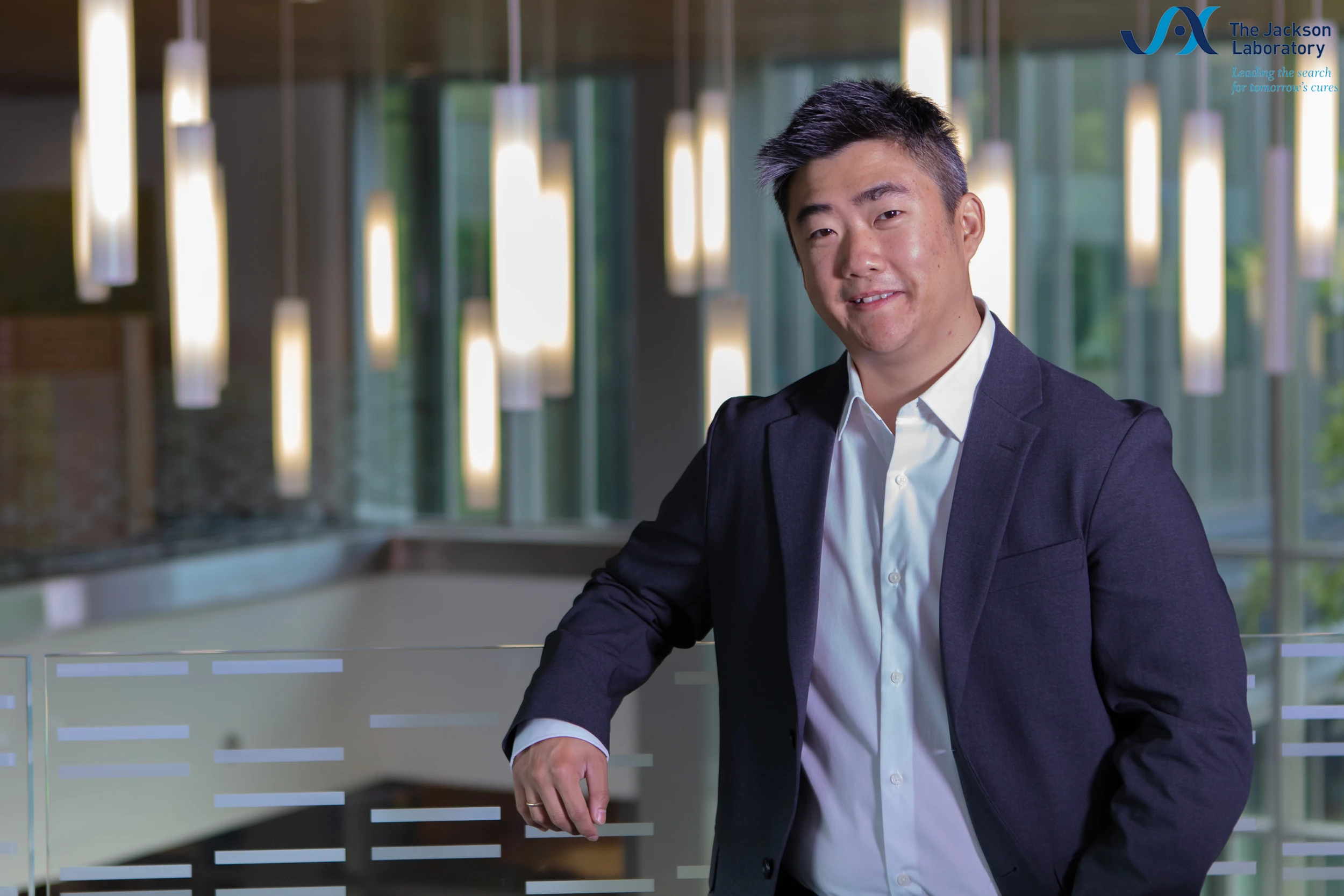
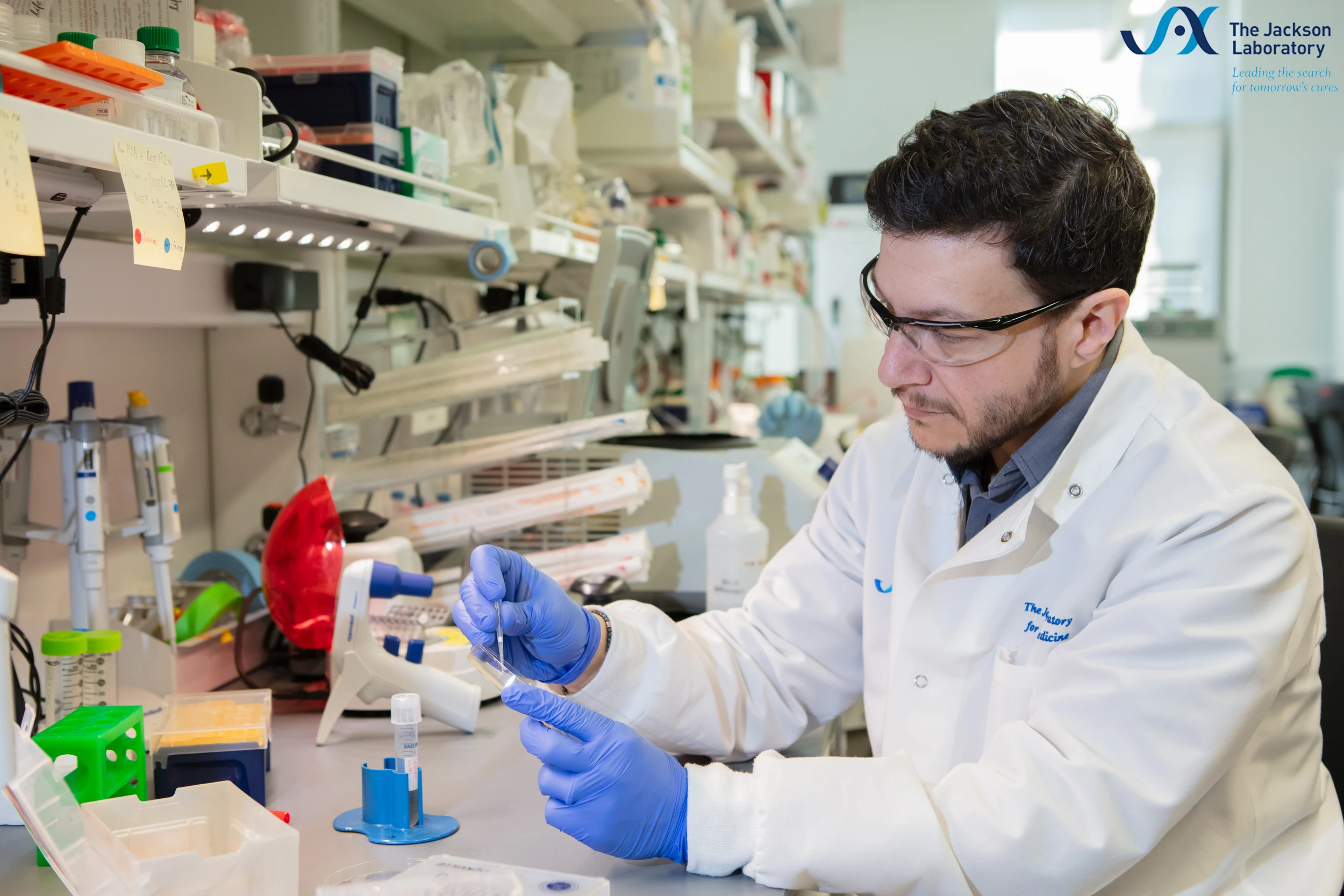
Photographing a researcher starts before the shot, the way photographing anyone does. I need to know the person, and to care who they are, what they do, what they study and how. A photograph made at work has to tell the truth, so I won’t seat a bioinformatician at a bench where they never sit. Standing matters too, and you don’t pose a PhD student the way you pose a professor. I also begin from the format, because a magazine, a hallway or a website each call for their own image, and the size and the orientation shape it well before the light does. Only then comes the portrait, where the point is to hold the gaze and still let the person look like themselves.
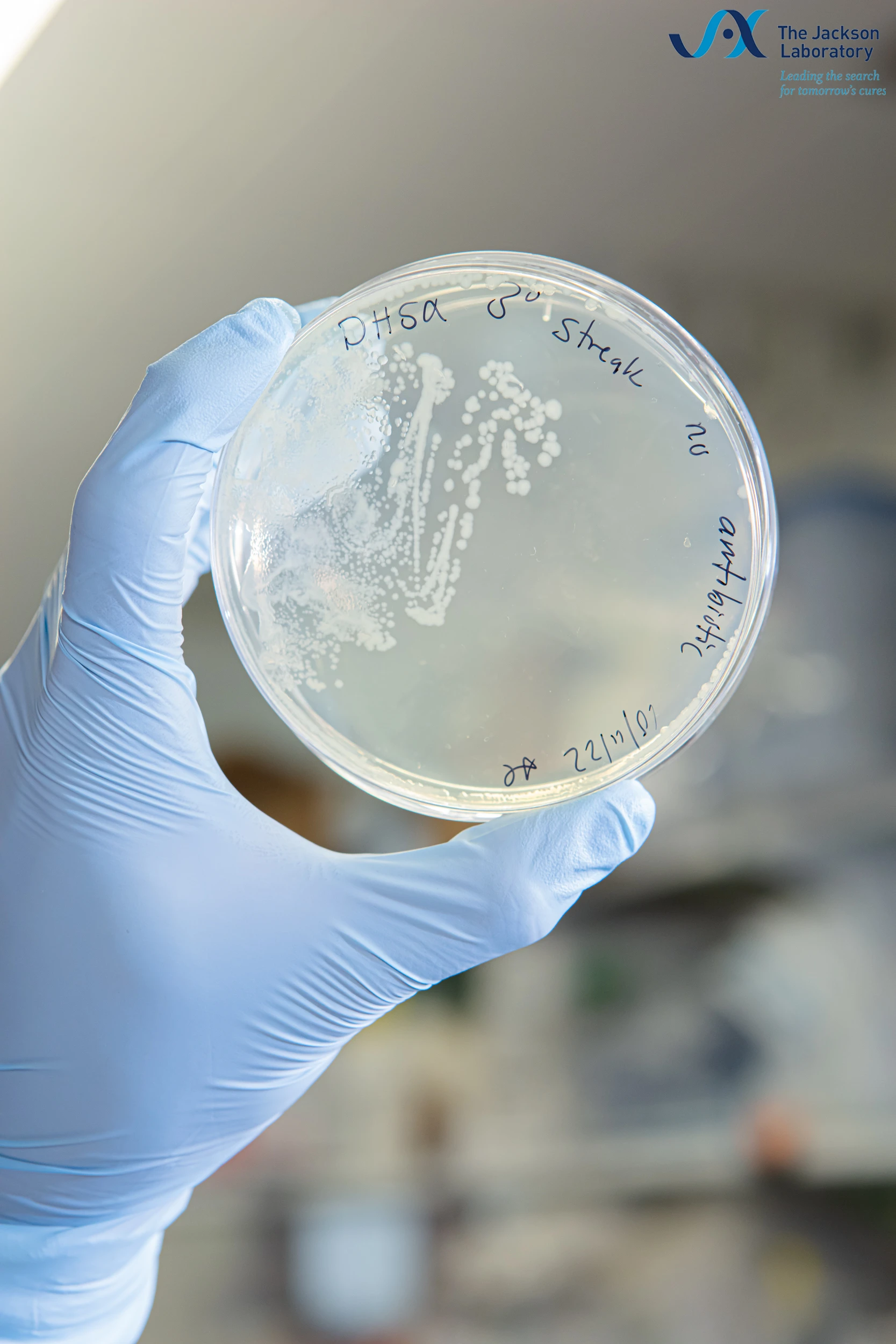
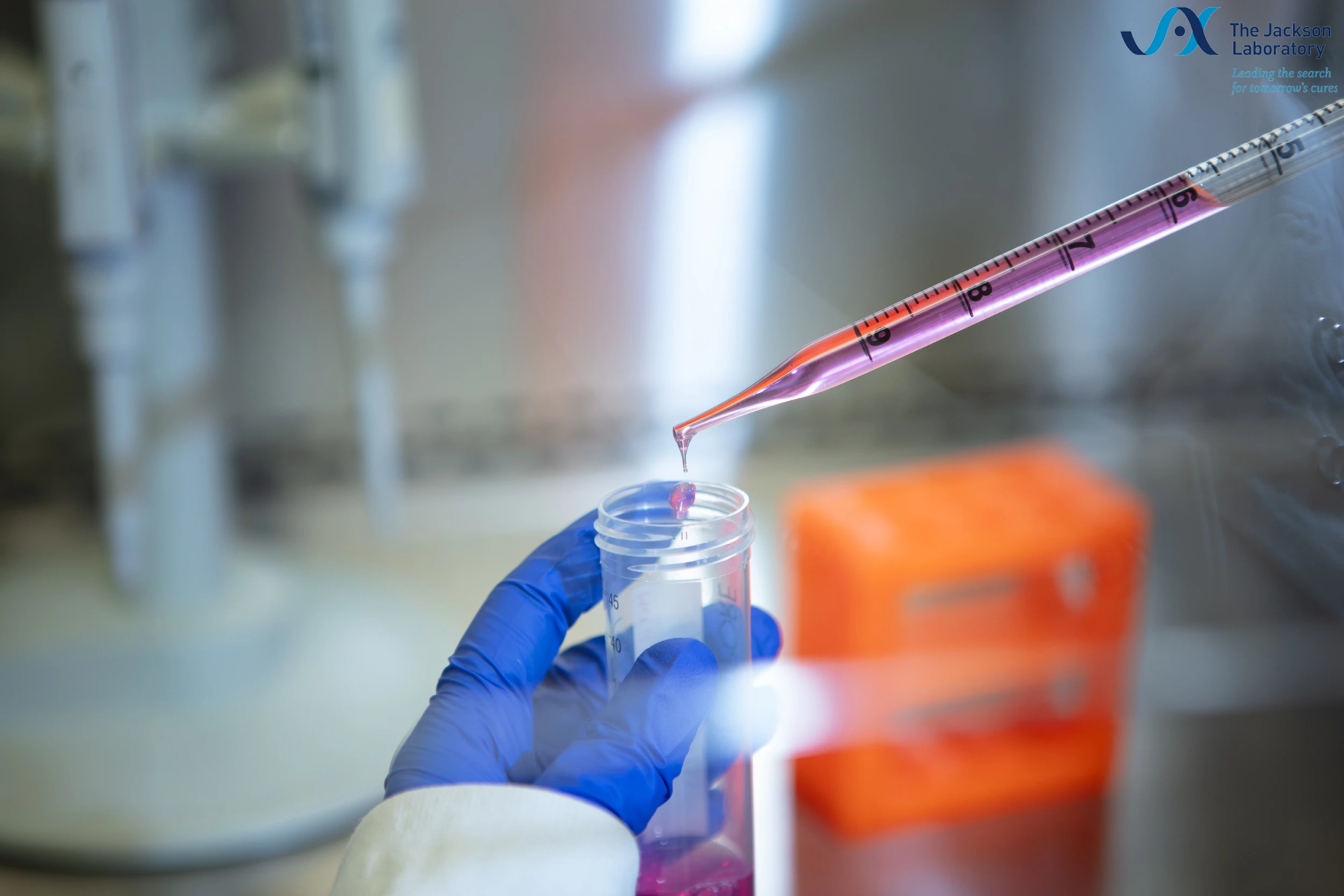
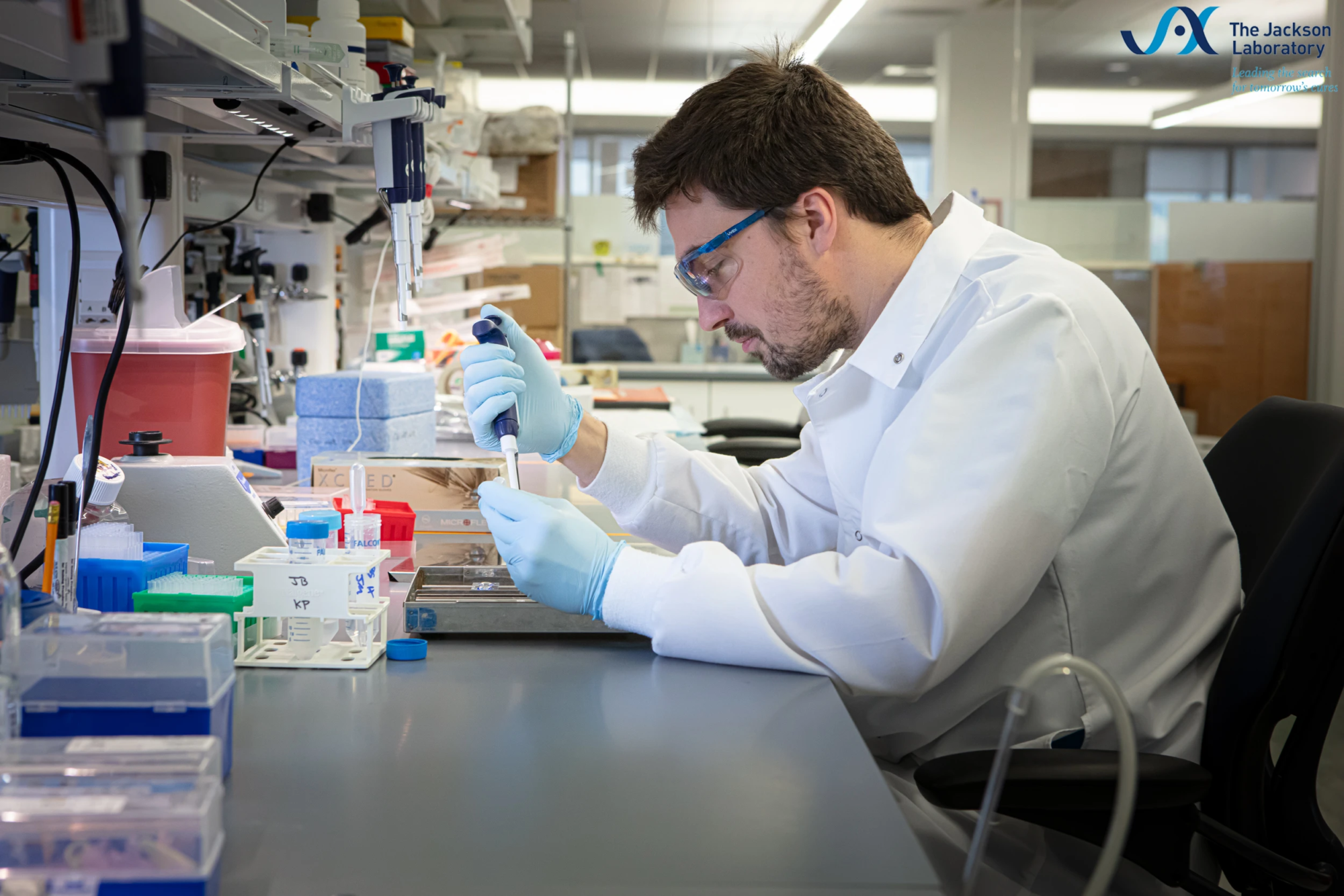
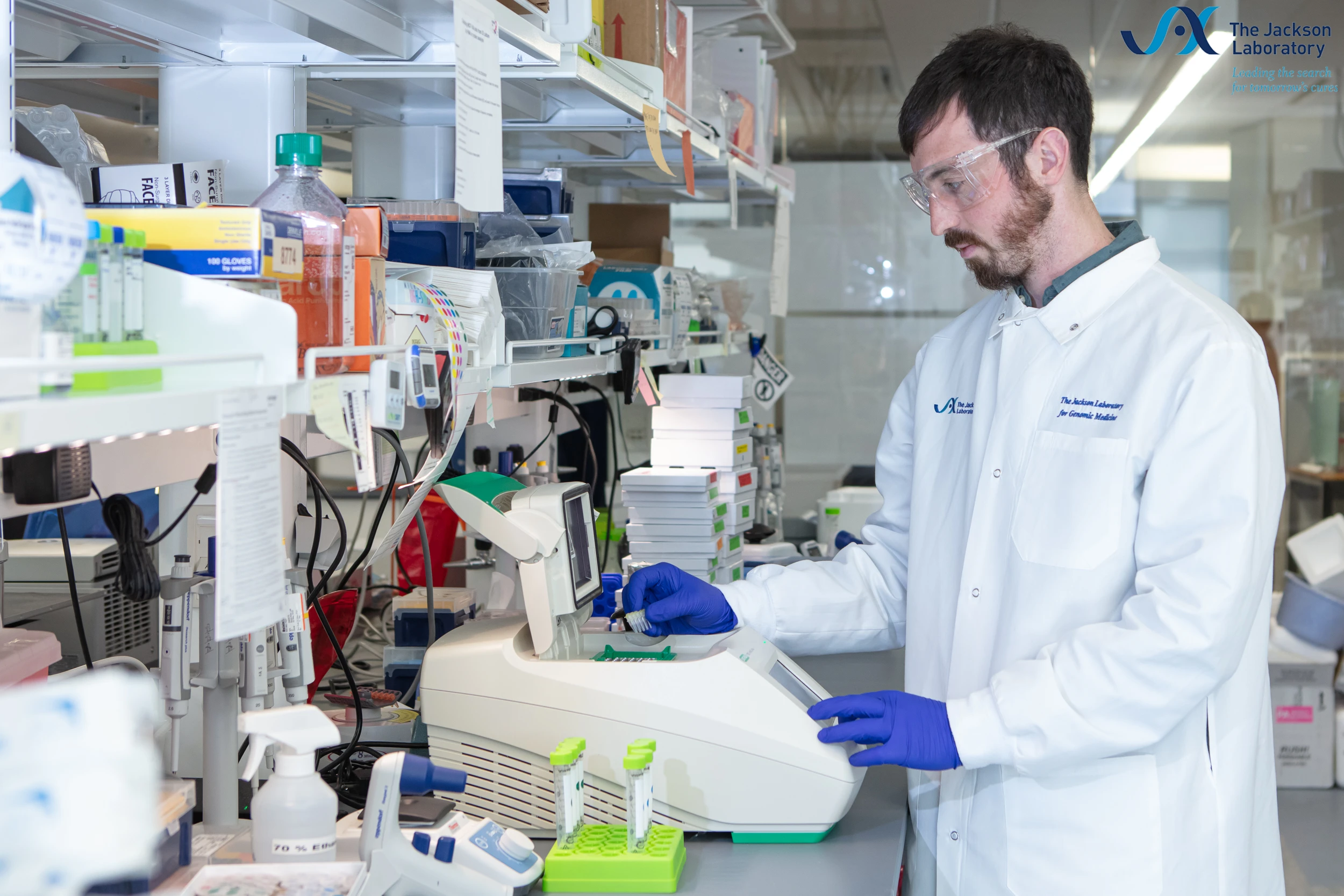
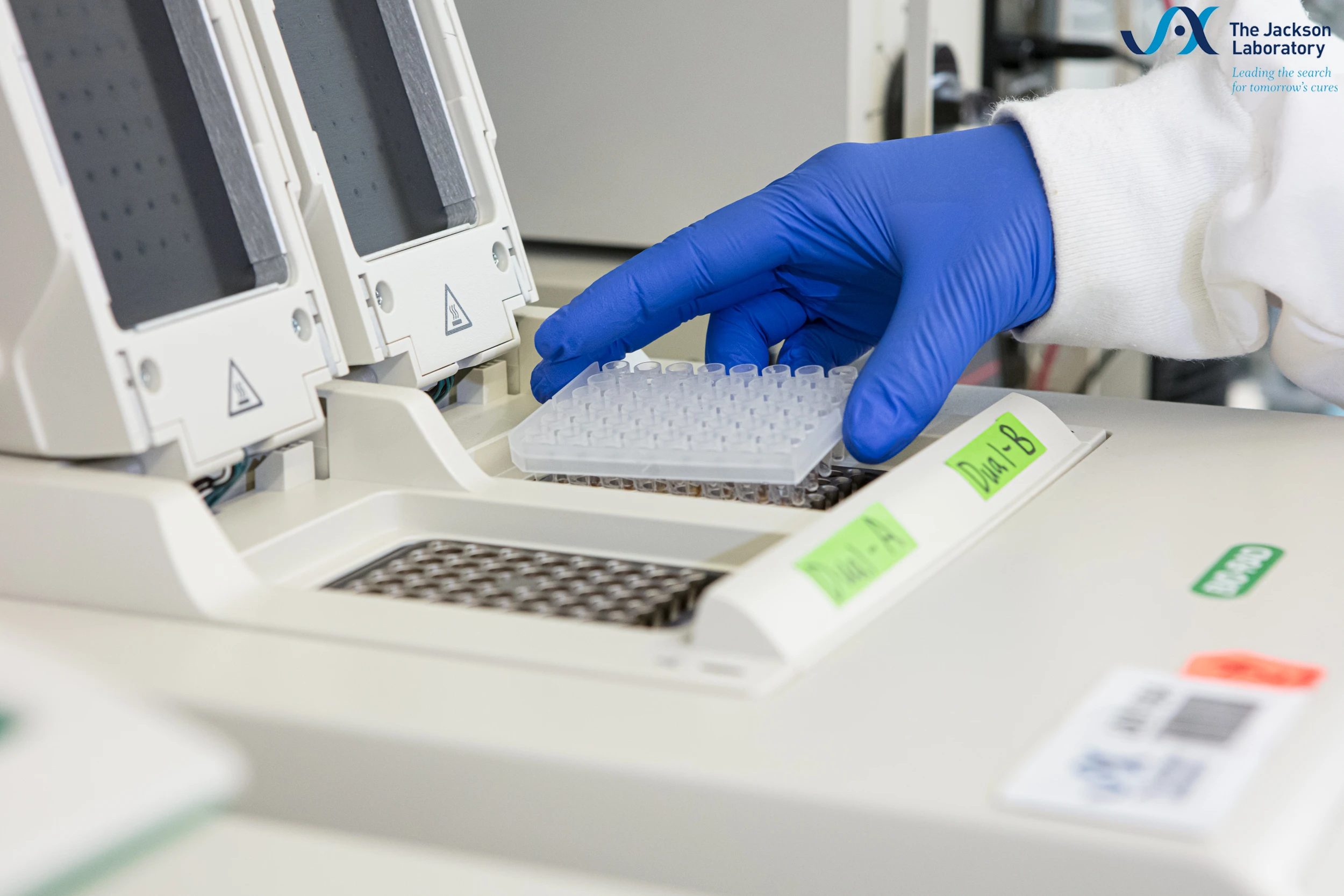
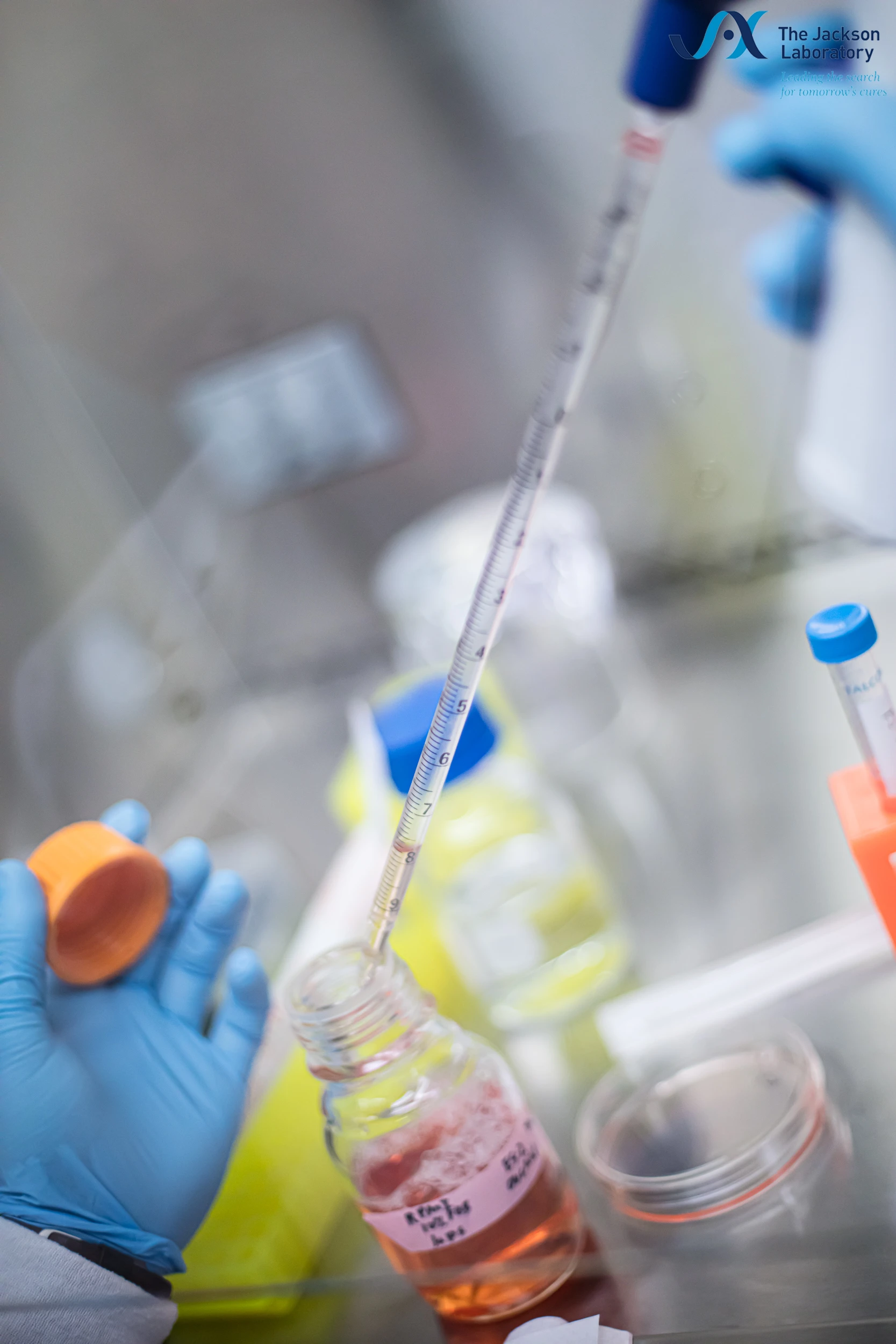
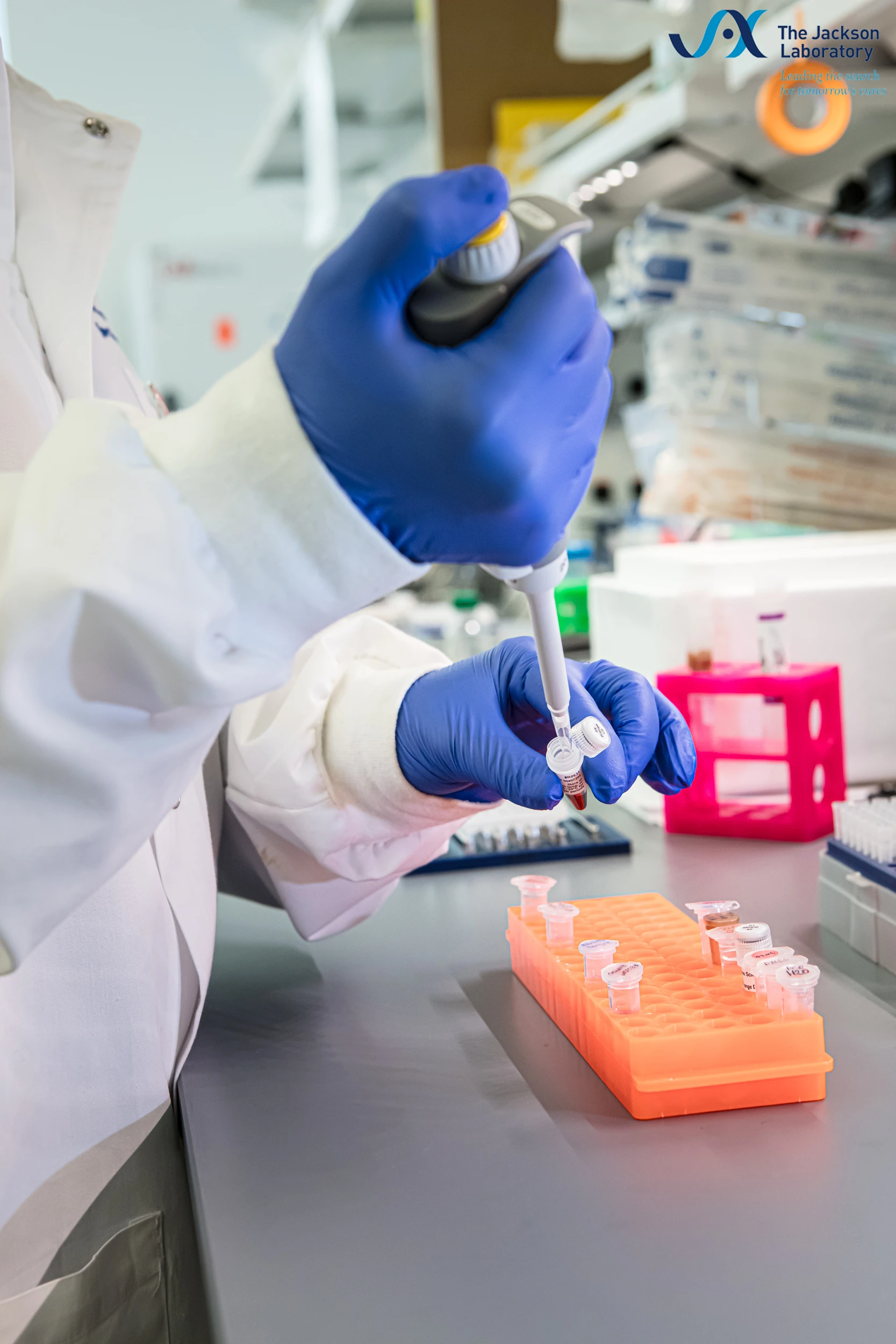
Research photography follows the same rule, against the cliché. I don’t make the shot that looks scientific without being true. Nobody lifts a plate to the light to admire it, so I don’t ask anyone to. I photograph what is already on the bench when I arrive: a culture plate under the microscope, a hand-labeled agar dish, a gloved hand on a pipette. What’s already there is the picture.
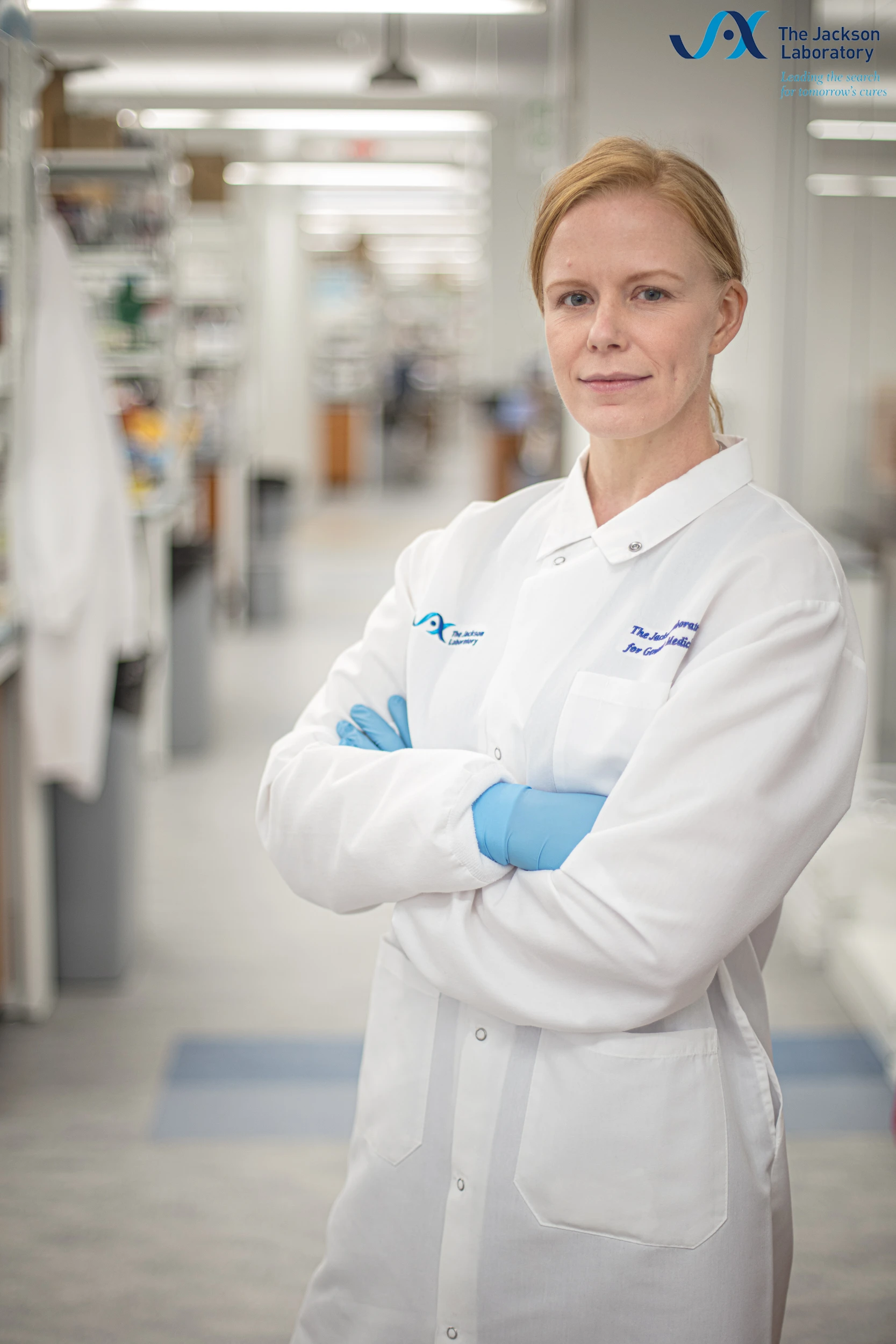
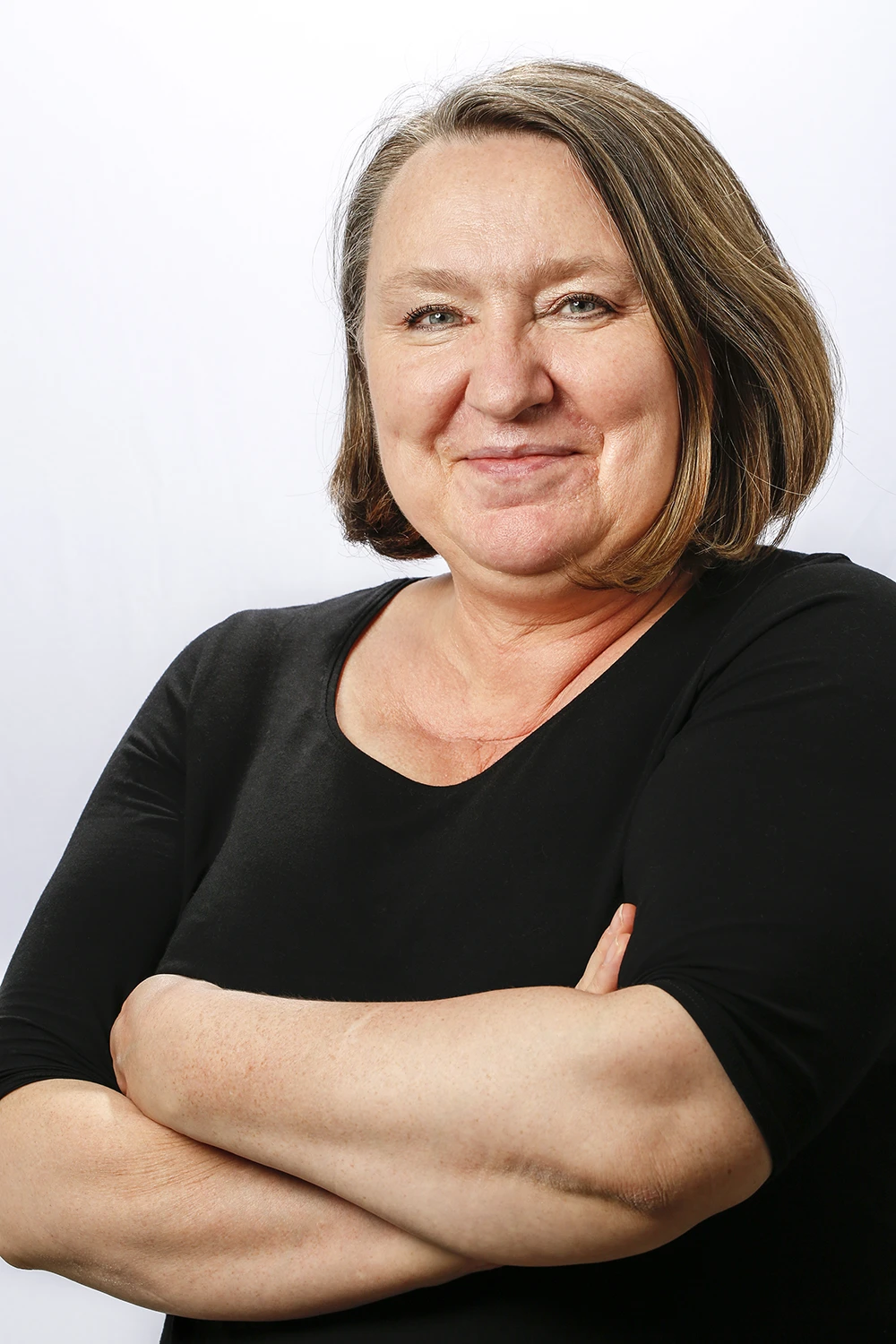
Christine Beck, Ph.D.
Associate Professor, The Jackson Laboratory
When science can’t be photographed
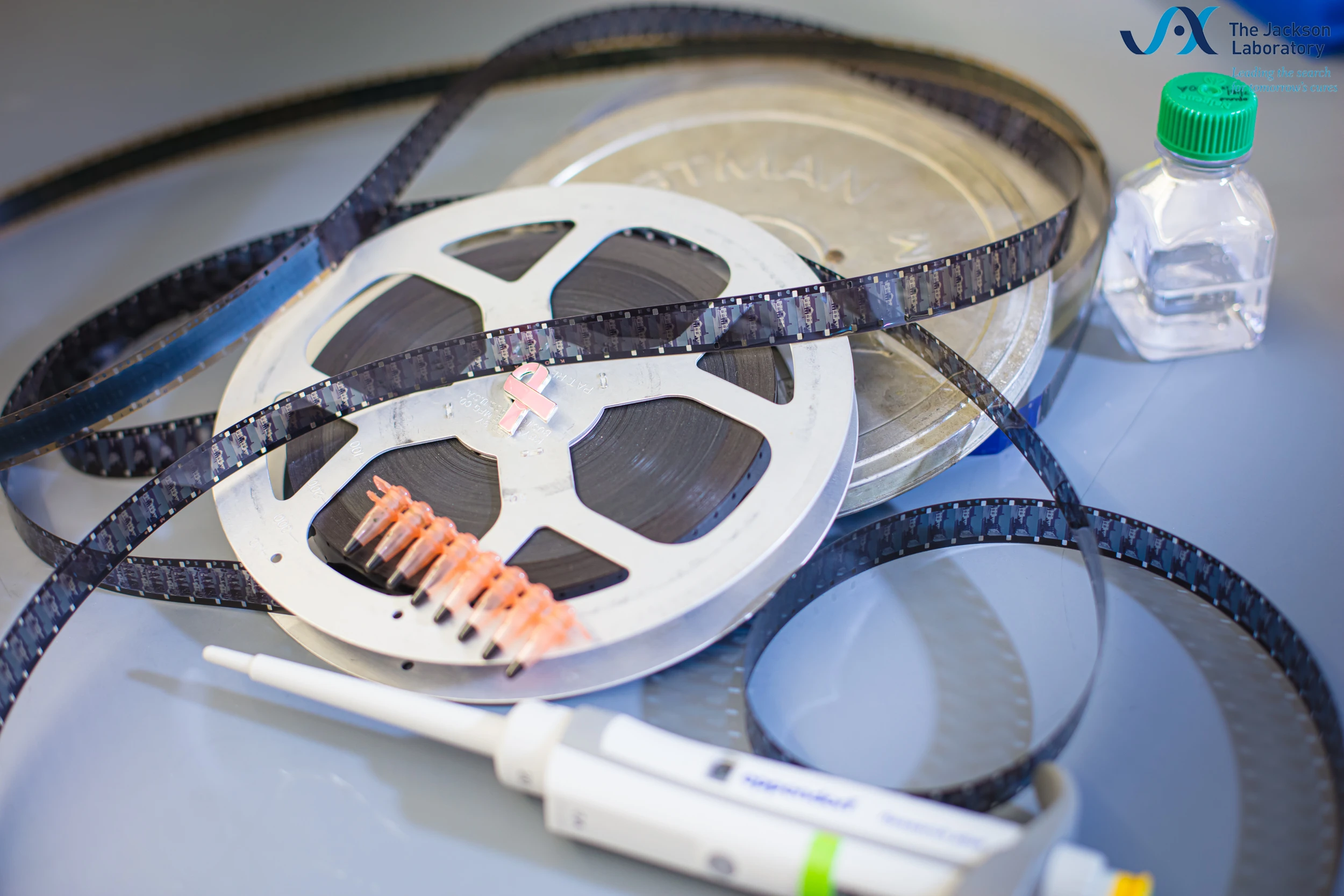
Some ideas can’t be photographed on a lab bench. This one is about RNA splicing: from the same strip of film, a different edit tells a different story. From the same gene, a different splice builds a different protein. When the science is invisible, I look for the image that makes it clear.
Inside the lab, every day
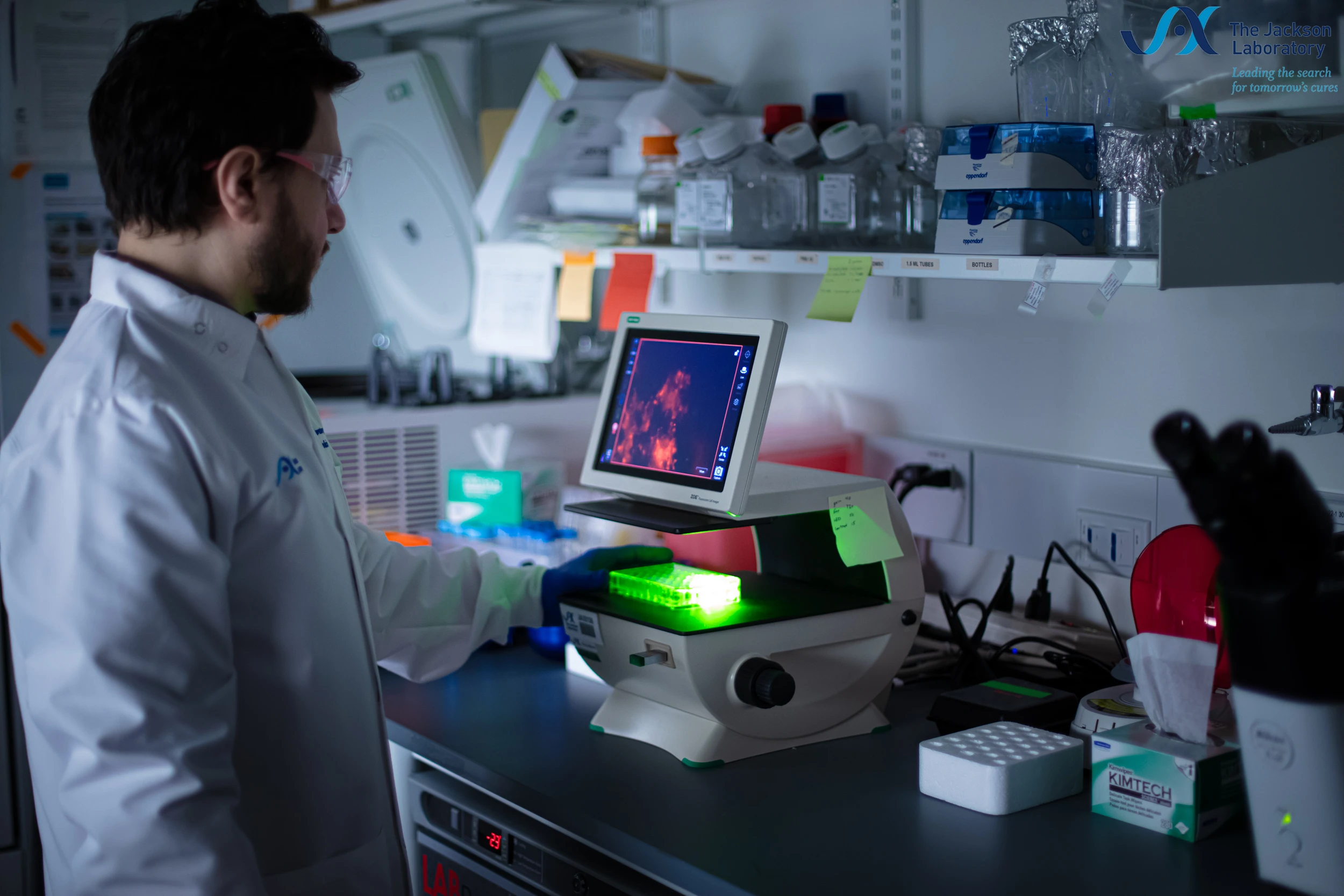
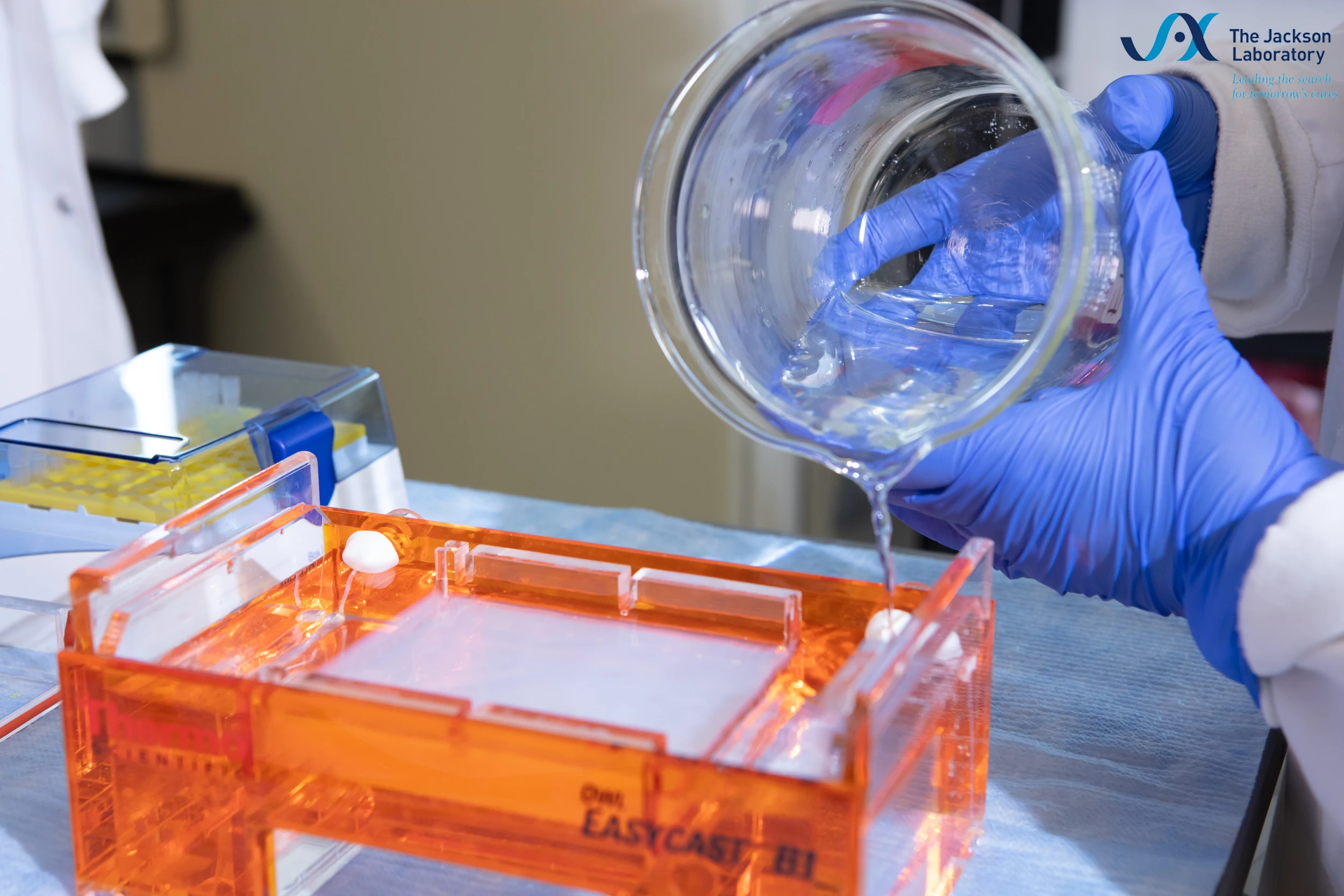
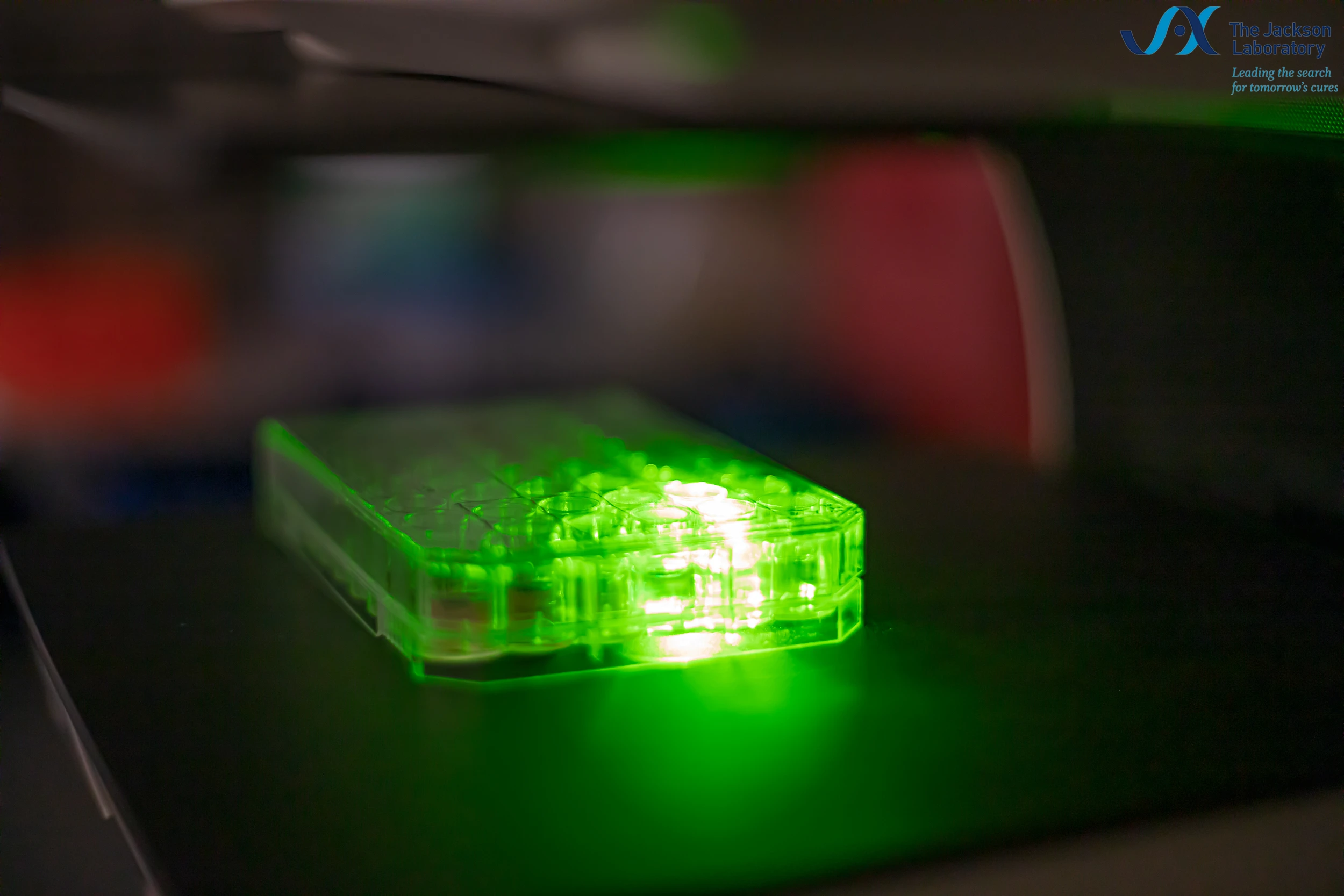
From scientific photography to full websites
The institute wasn’t my only contact for long. Labs started coming to me directly, each for its own images, photography first and, later, their websites.
These relationships built one at a time. Someone called for a photo, then called again for another, and something shifted over the sessions. With some researchers, the order gave way to a conversation: it stopped being “shoot this” and became “what do you think?” We worked out together how best to show a piece of work, a face, an idea. That’s where the websites came from: from trust, not from a bidding process.
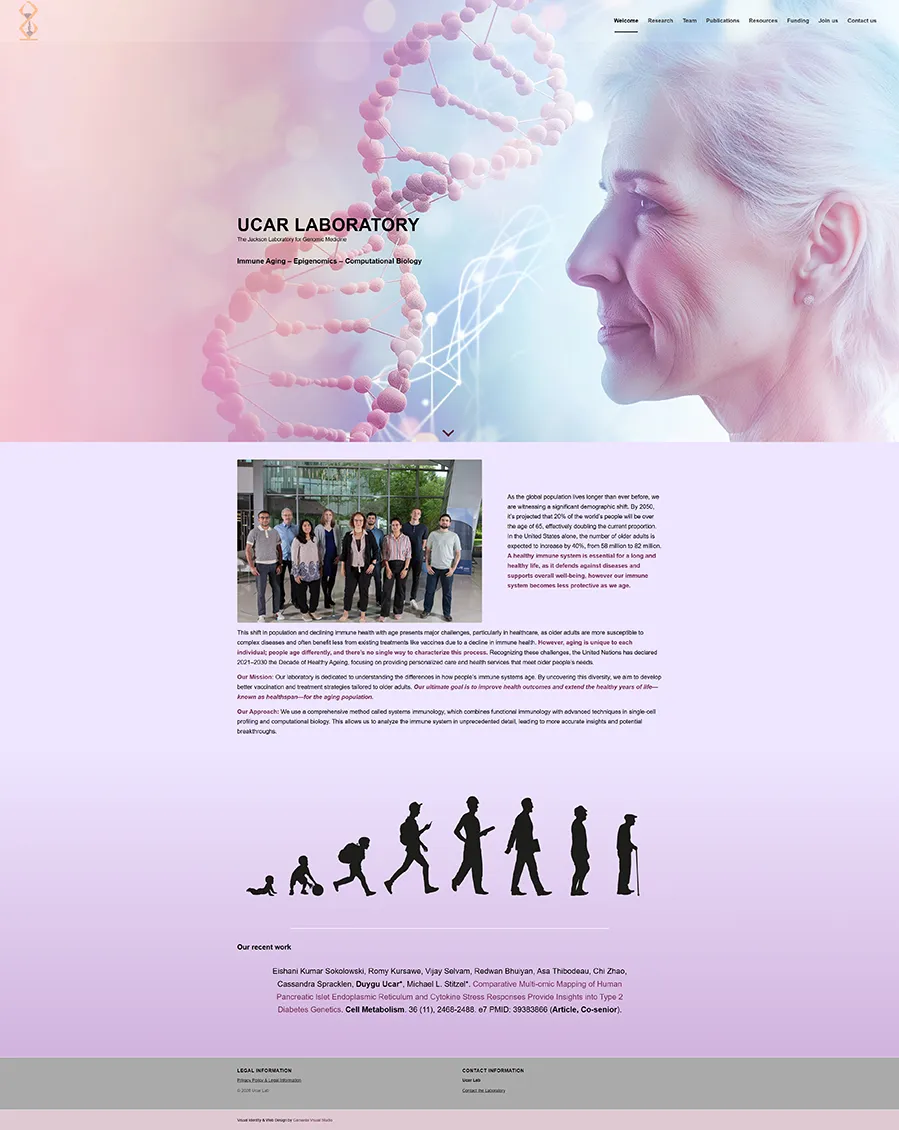
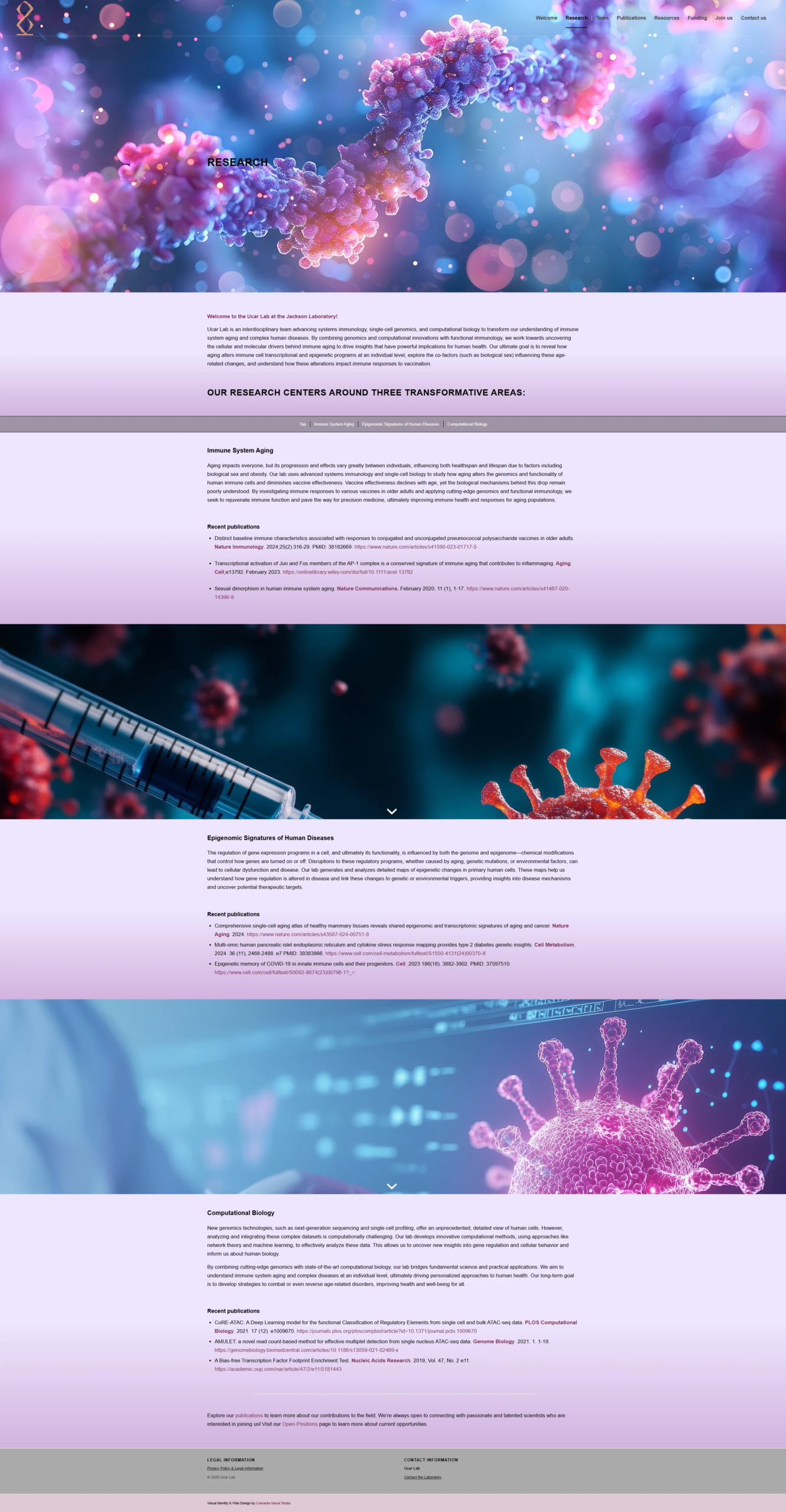
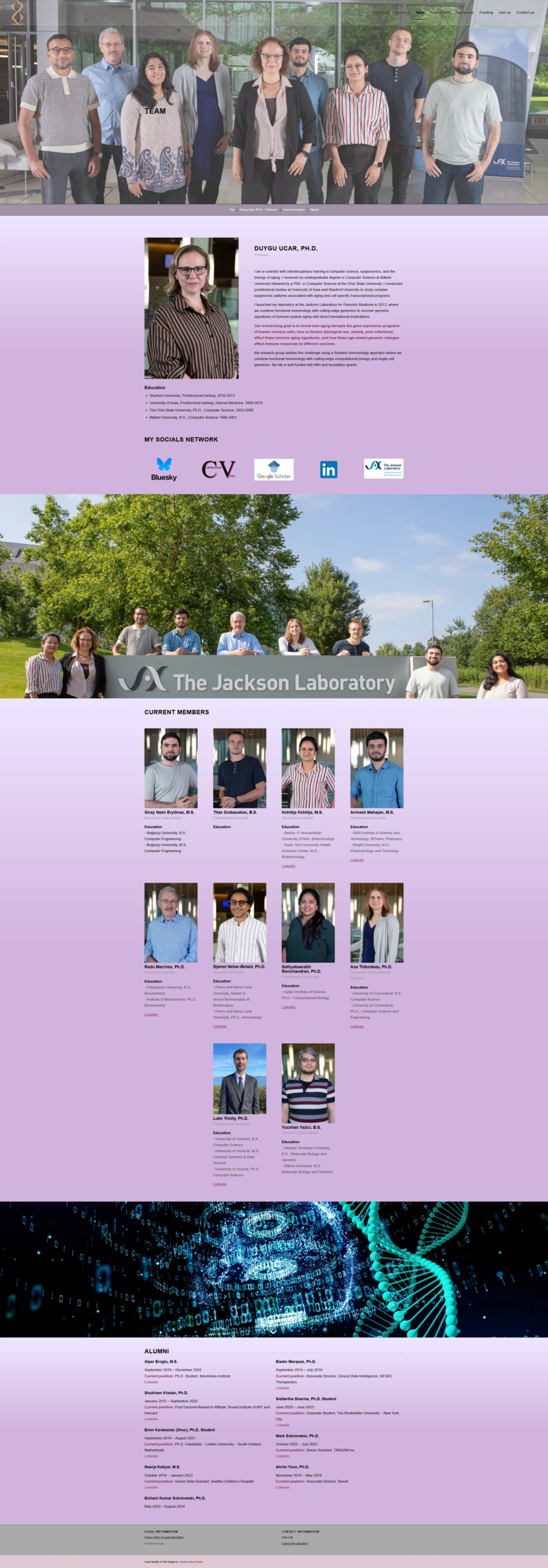
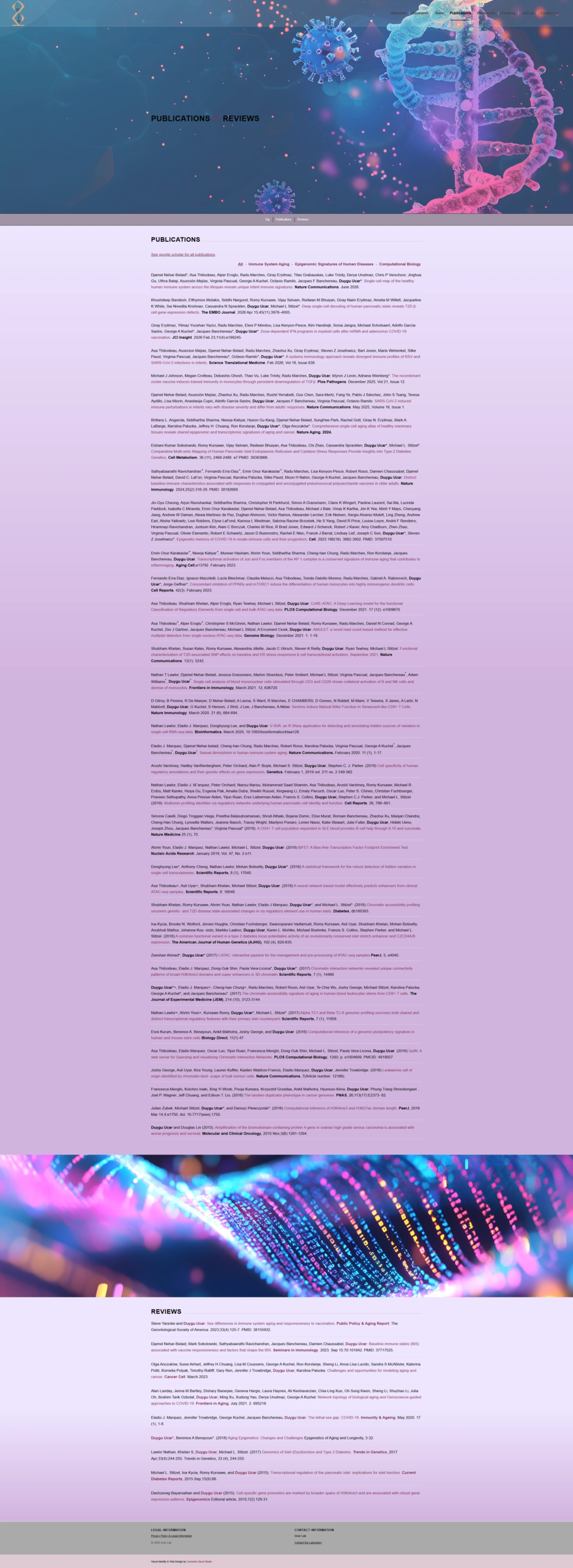
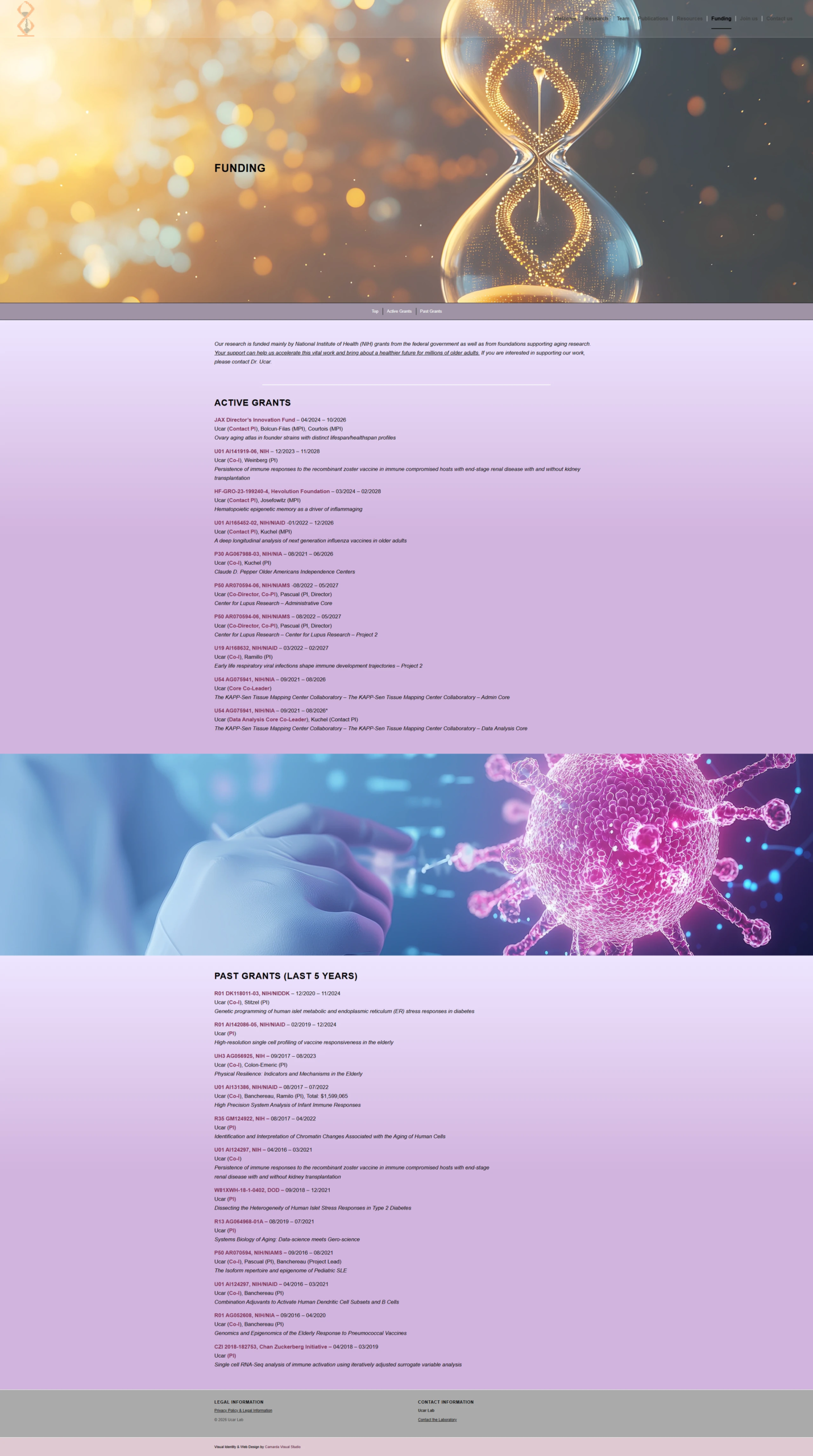
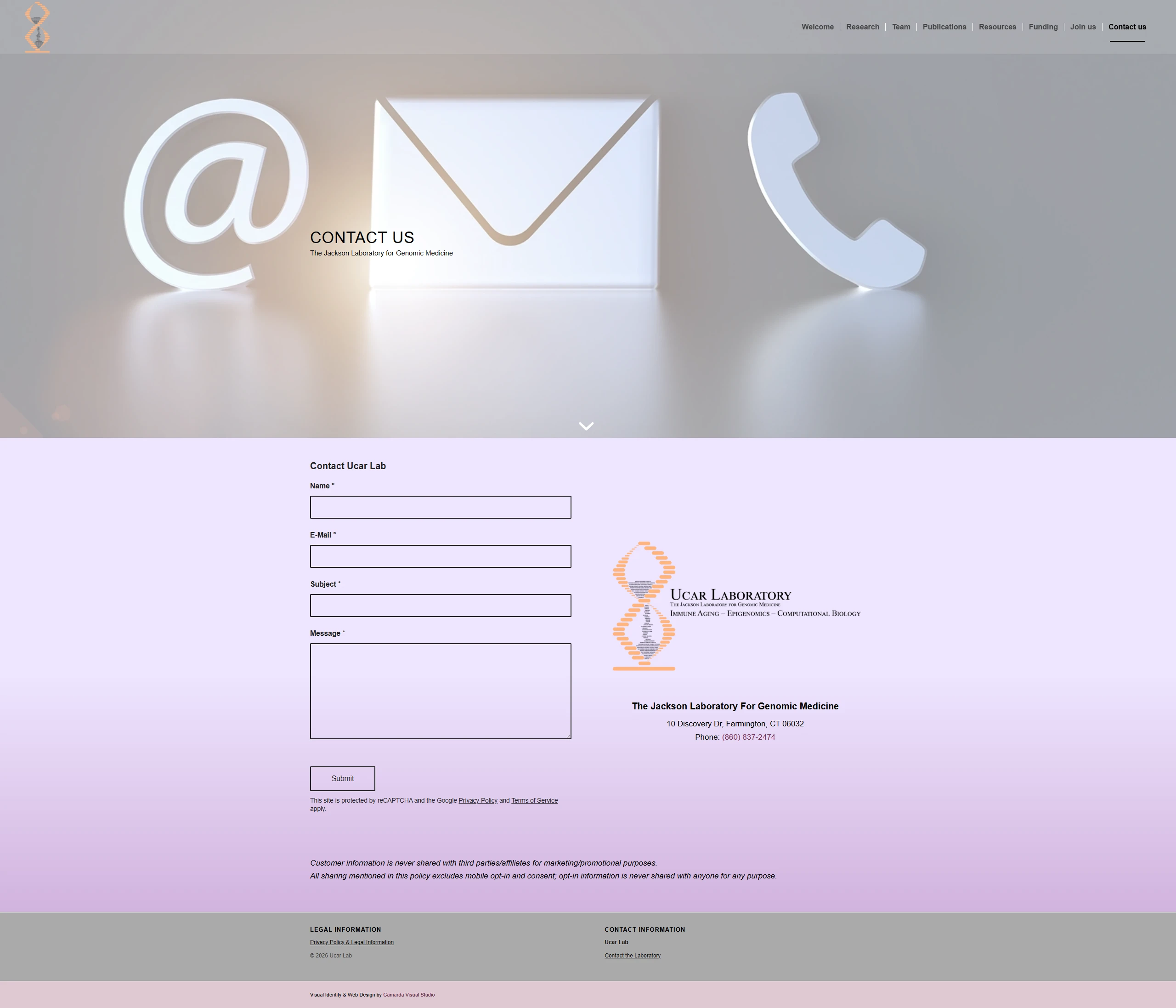
Duygu Ucar, a professor at JAX, is a good example. I had already been photographing her and her lab for a while, and she and her team write code all day, far better than I ever could, so a website was well within their reach. What they didn’t have was time, and she wasn’t happy with the look of her old site, so she trusted me with the new one, and with her lab’s logo. Her work spans aging, epigenomics, and computational biology, so I built the logo around an hourglass, drawn as a DNA double helix, its grains made of ones and zeros. Three ideas in one image.
Other labs followed, each with its own site.
The Ucar Lab website
In their words
“One of the things I value most about working with Charles is his eye for design and aesthetics, and the confidence that comes from knowing I can trust the outcome. When my lab needed a new website and logo, I could hand the project over and simply stop worrying, knowing it would be done professionally.
As a scientist, I don’t have the time or expertise to think about visual design, so it’s incredibly valuable to have someone who can build a visual identity that truly reflects our lab. Beyond the initial work, Charles continuously refines the site, keeps it up to date, and makes thoughtful improvements without me having to worry about the details. It makes my life much easier, and I know our website is in great hands.”
Illustration, then an annual report
At the JAX Cancer Center, a working relationship was already there. I had shot portraits and research photography for the institute, and one researcher at the center had followed that work. She liked what I did and how I did it, and she wanted to work together.
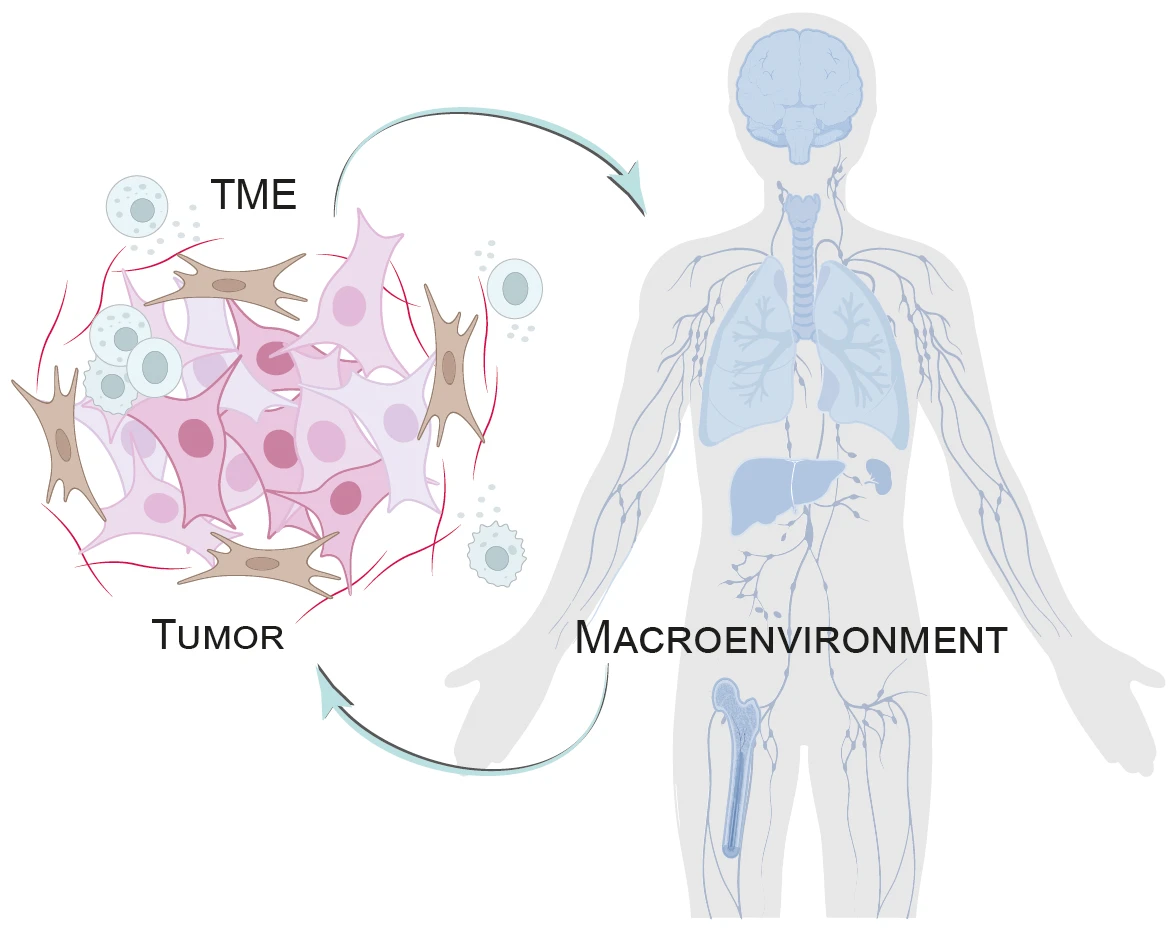
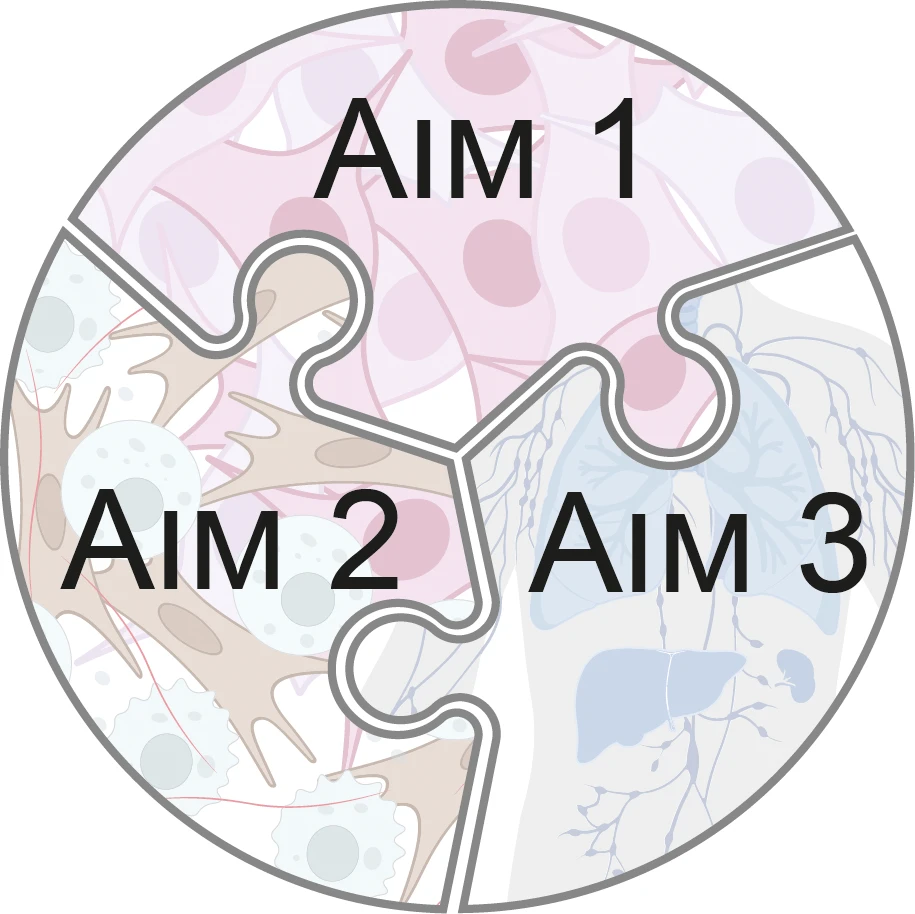
After several years, she asked me to create scientific illustrations for a grant proposal submitted to the NIH. A few months later, she asked me to handle the Cancer Center’s annual report, an idea that came to her from the catalog I had made for Degas.
She wanted a forward-looking design, away from the old image of science, a format of its own rather than the usual brochure, and a budget to hold. The rest she left to me: the design, the paper stock, the print format and options, the work with the printer, the press proof sign-off, all the way to the finished piece in hand.
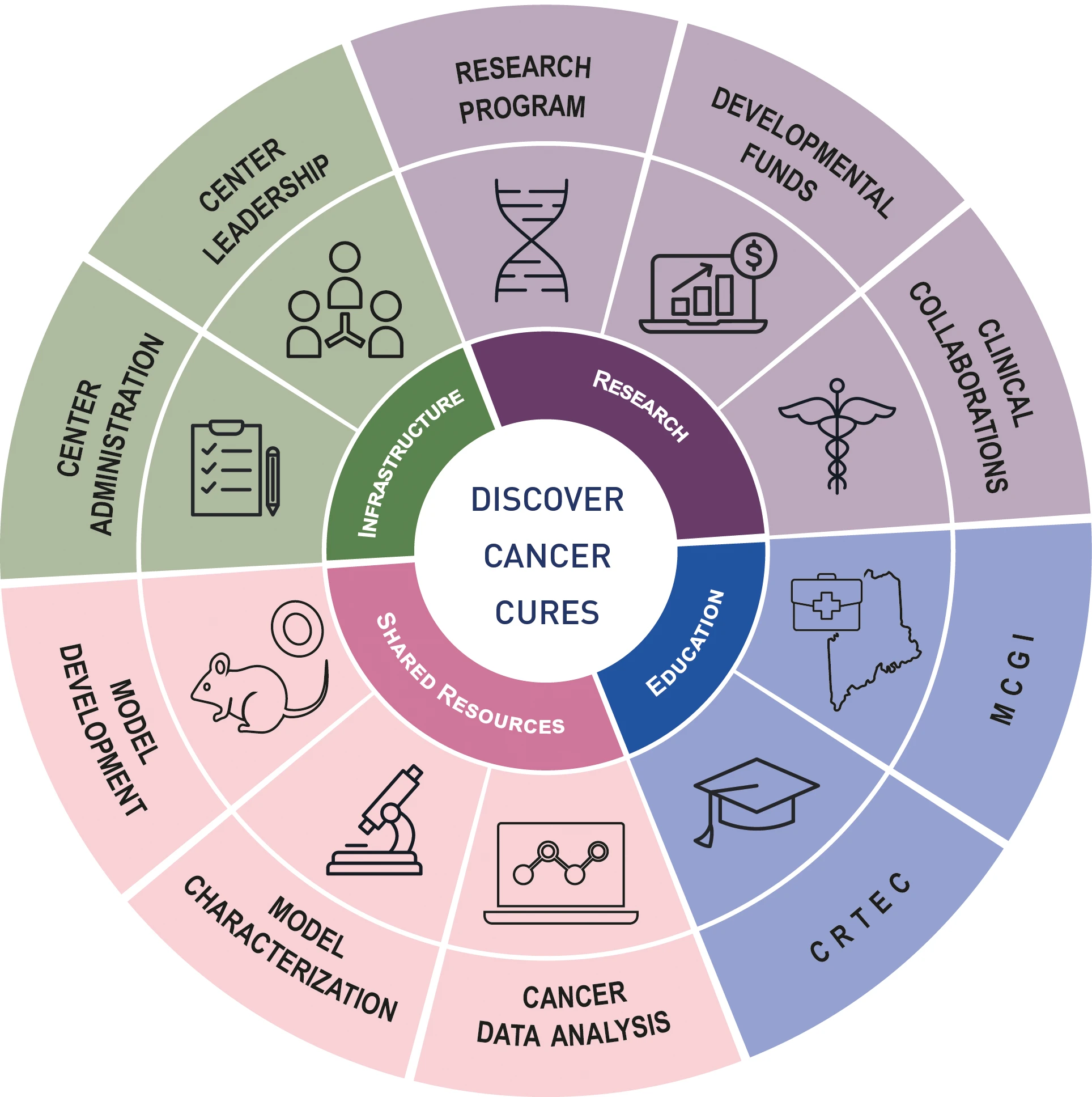
PDF – Catalog Annual Highlight 2022-2023
Take a look inside the PDF JAX Cancer Center annual report,
From cover to finished print
A few illustrations for the Cancer Center
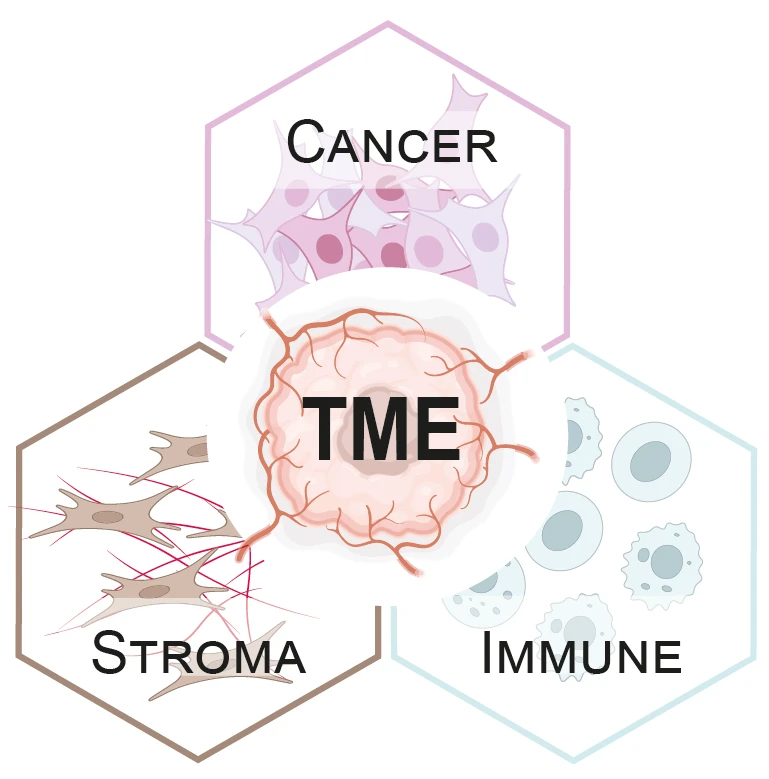
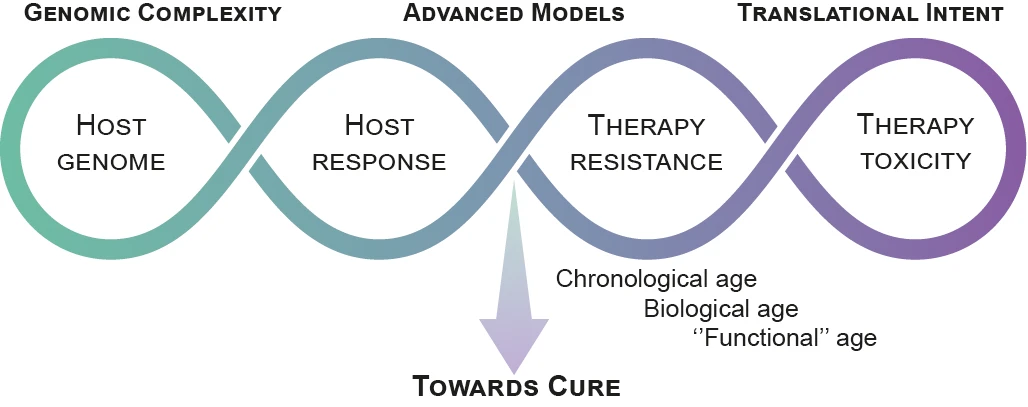
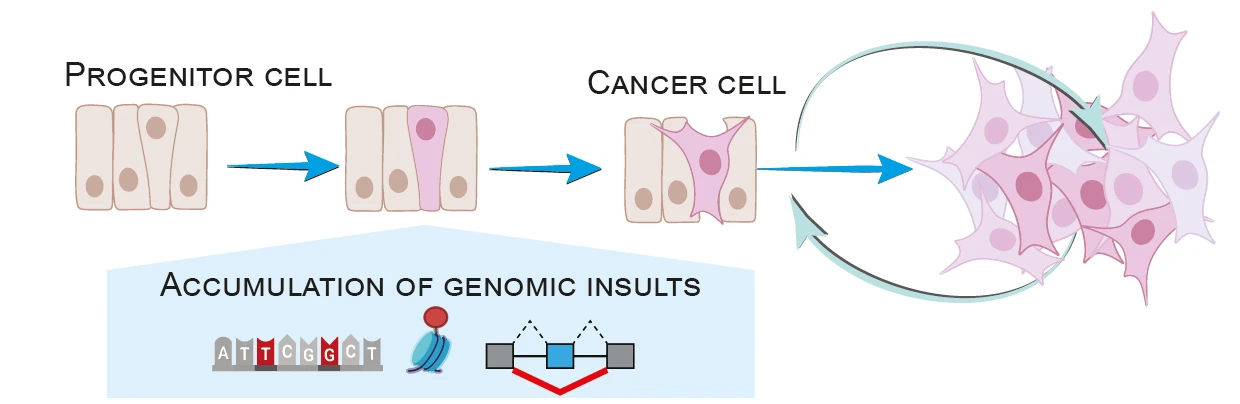
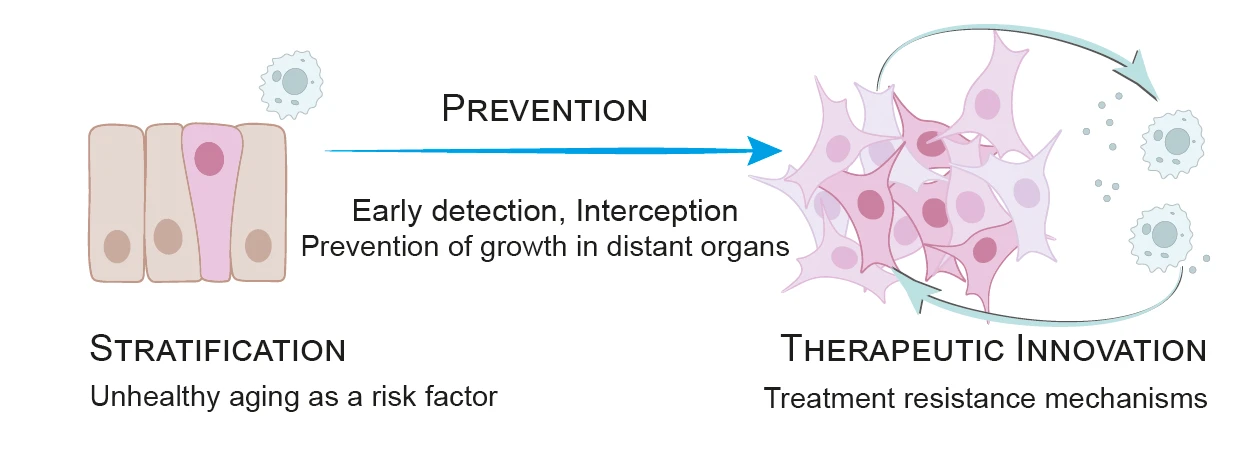
In their words
“Charles created the scientific illustrations and designed the annual report for our Cancer Center. His photography is excellent, and he understood precisely what we were looking for. During our busiest periods, when the entire team was working late to meet deadlines, he was right there with us, always delivering on time, every time. A real professional.”
Websites for laboratories
The Ucar Lab site came out of this work, and two other laboratories followed. I build them here, with the photographs and the content, and I keep them running afterwards.
The same range, on a different subject: Rock of Science, a private mineral collection and the database behind it.