

A private mineral collection, photographed over the years, and the platform built to hold it. What started as a hundred pages in WordPress became a database anyone can add to in three minutes.
A lifelong curiosity for earth and nature
Earth sciences have interested me since childhood: zoology, oceanography, astronomy, volcanology. Not as a scholar, but as someone who has never stopped looking.
That curiosity shaped my early work as a wildlife and landscape photographer, and it shaped the way I look at things generally. It also explains what happened the first time I saw this collection.
Meeting a collector
I met him during a client project. He runs a research team in a major laboratory. Minerals are something else: a passion that began in childhood, with no degree in mineralogy behind it and nothing to prove, which ended up producing the kind of knowledge few specialists have.
This is not a decorative collection. He describes each piece the way people describe what they truly know: composition, origin, and the geological conditions that formed it. Beautiful, certainly, but built with rigor first.
Capturing what cannot be touched
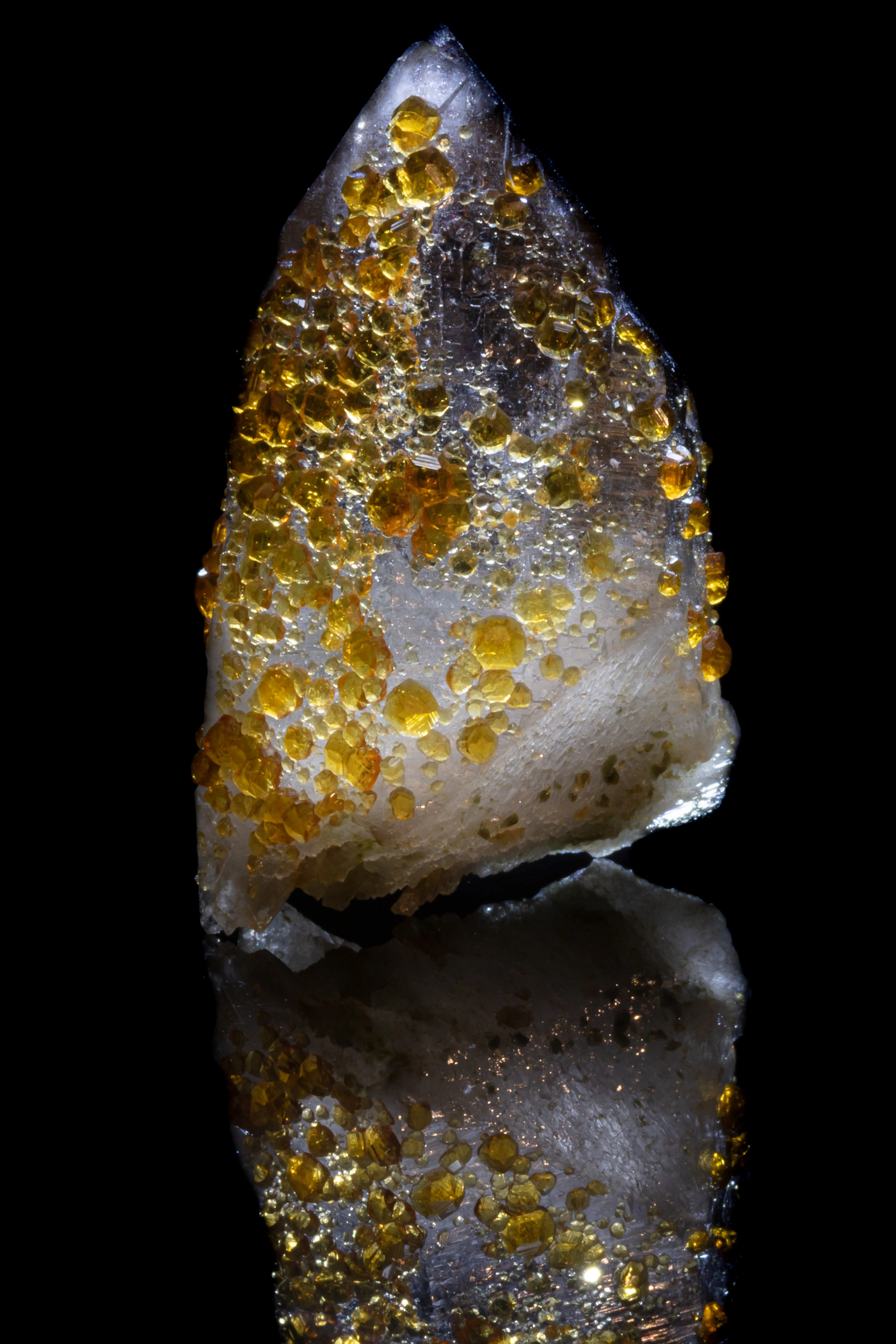
When I saw the collection, I wanted to photograph it. He liked the idea, for reasons that had little to do with making pretty pictures.
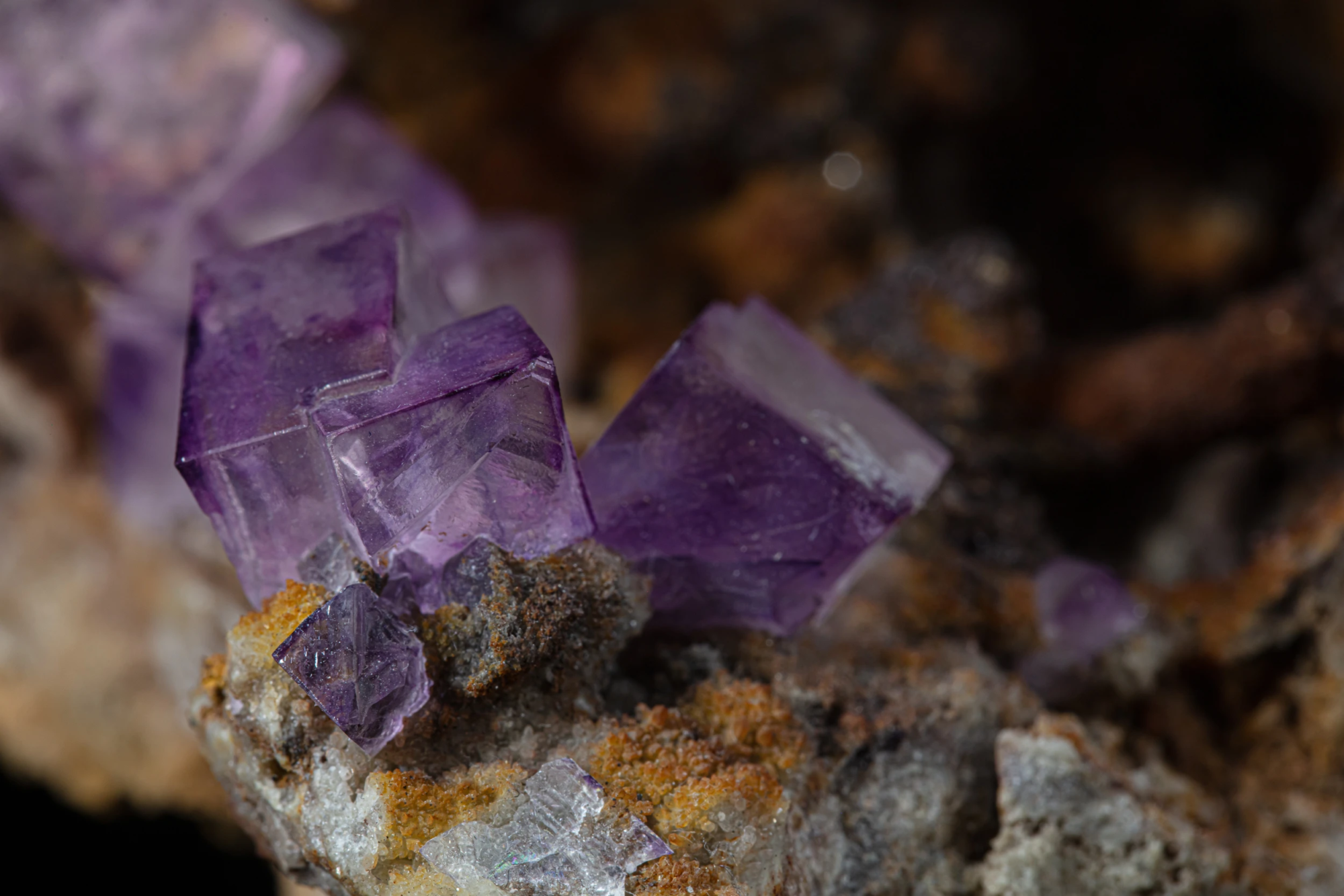
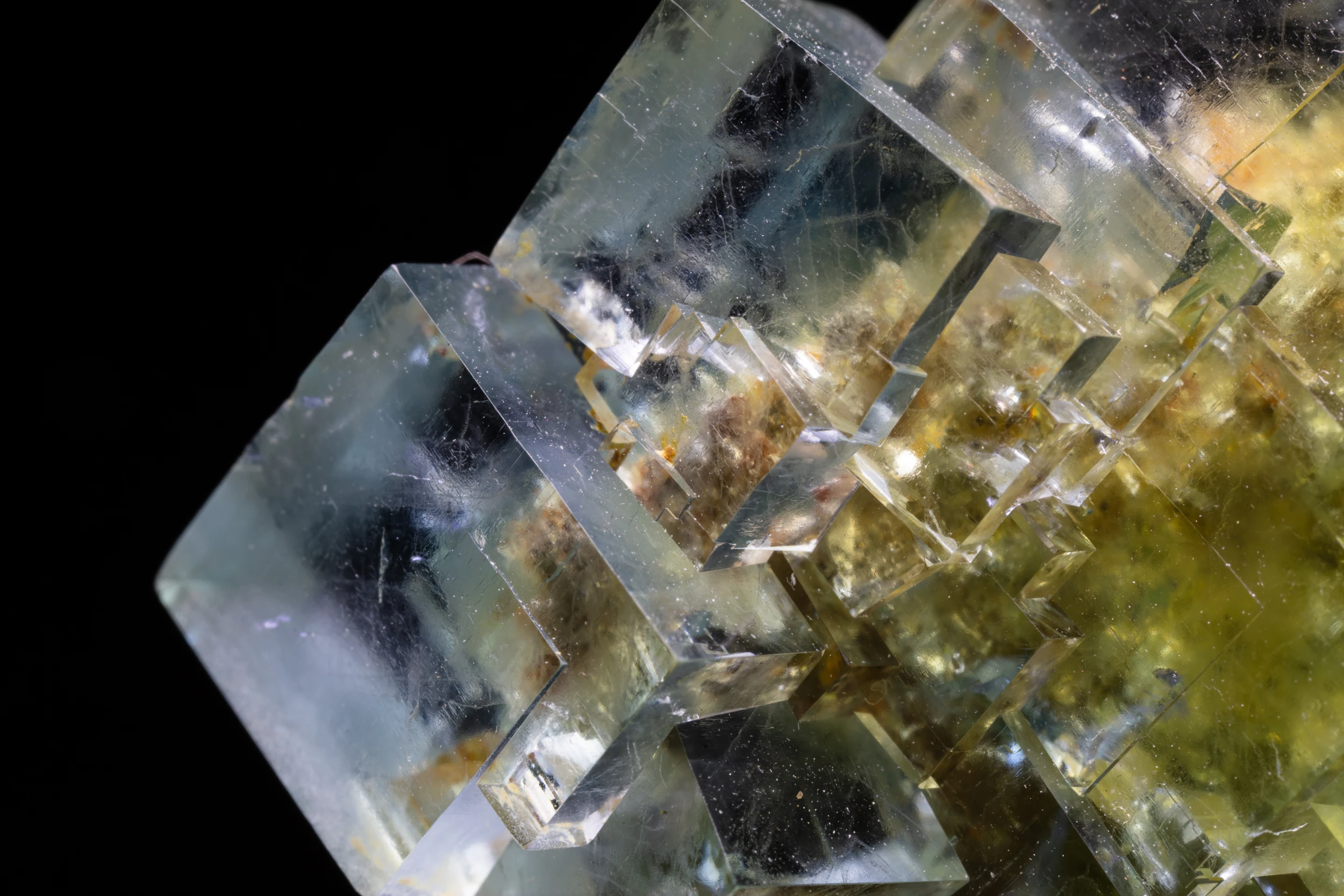
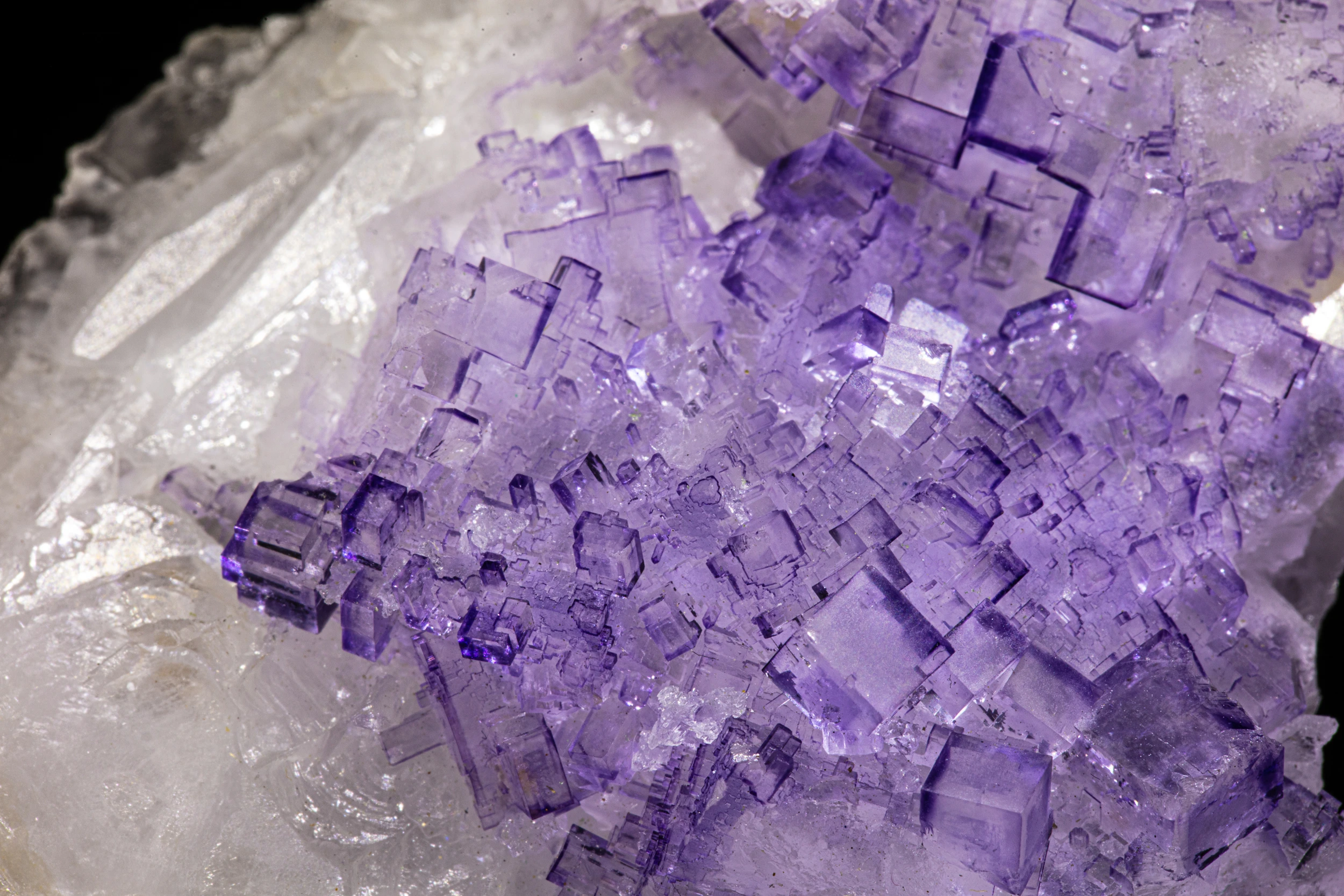
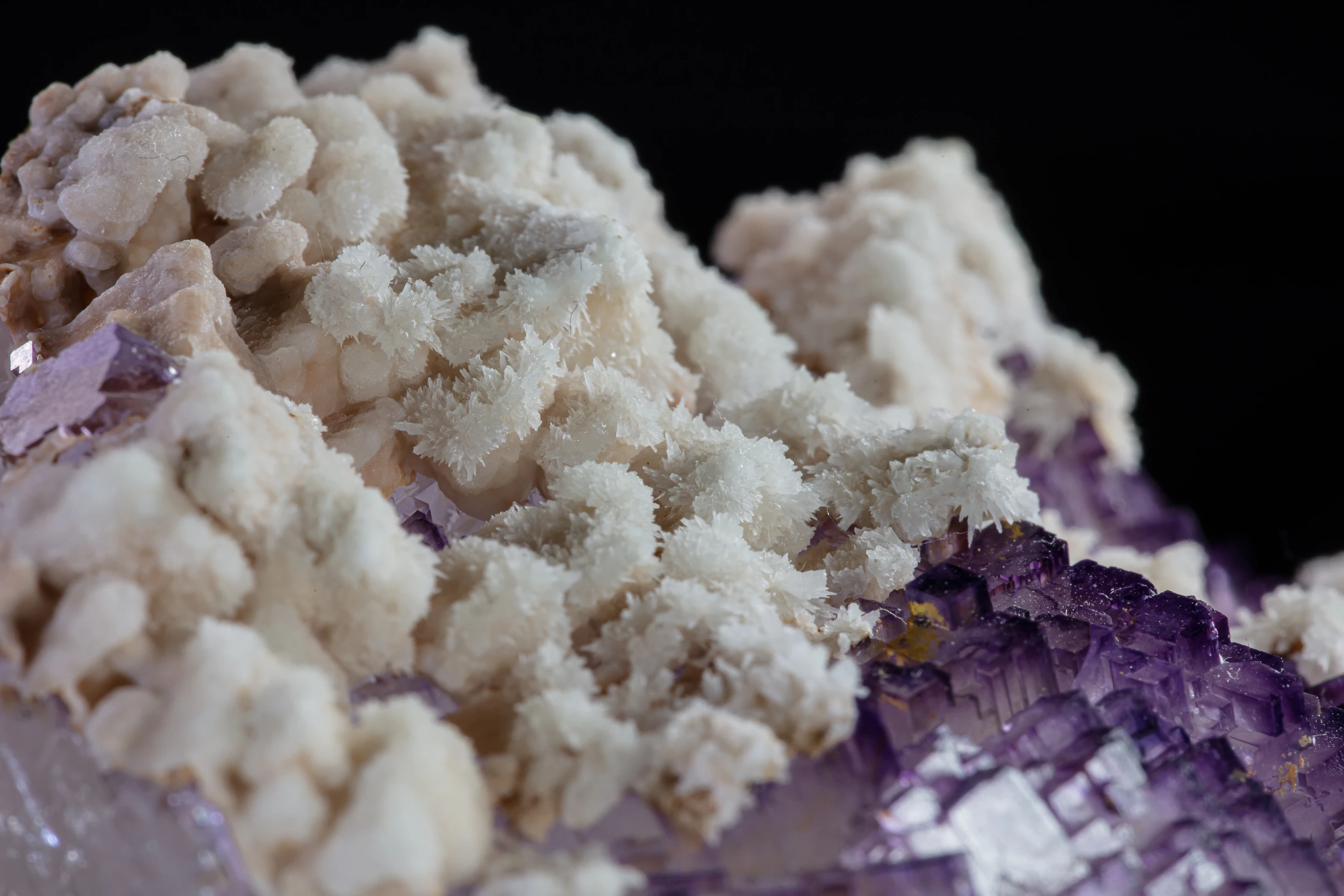
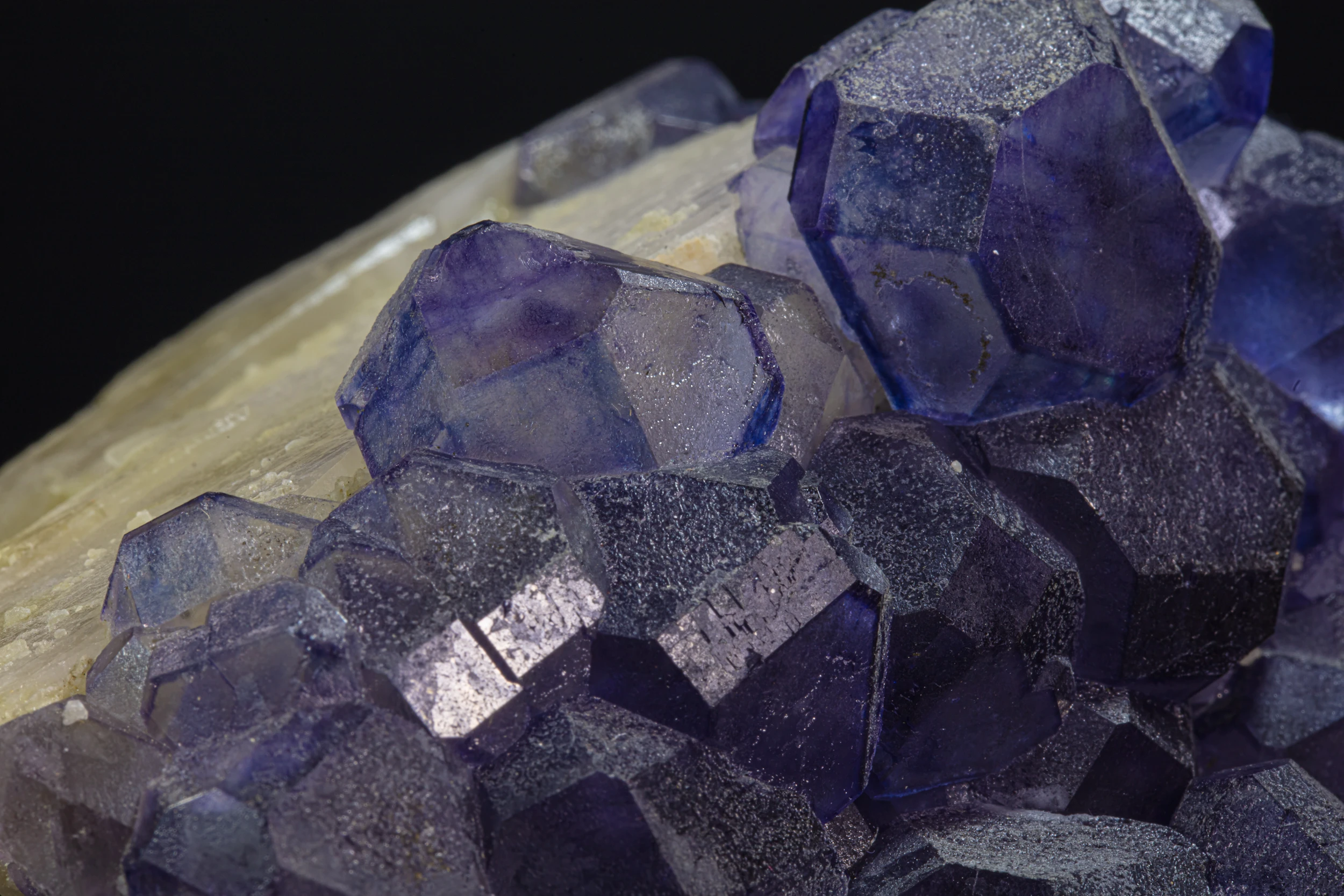
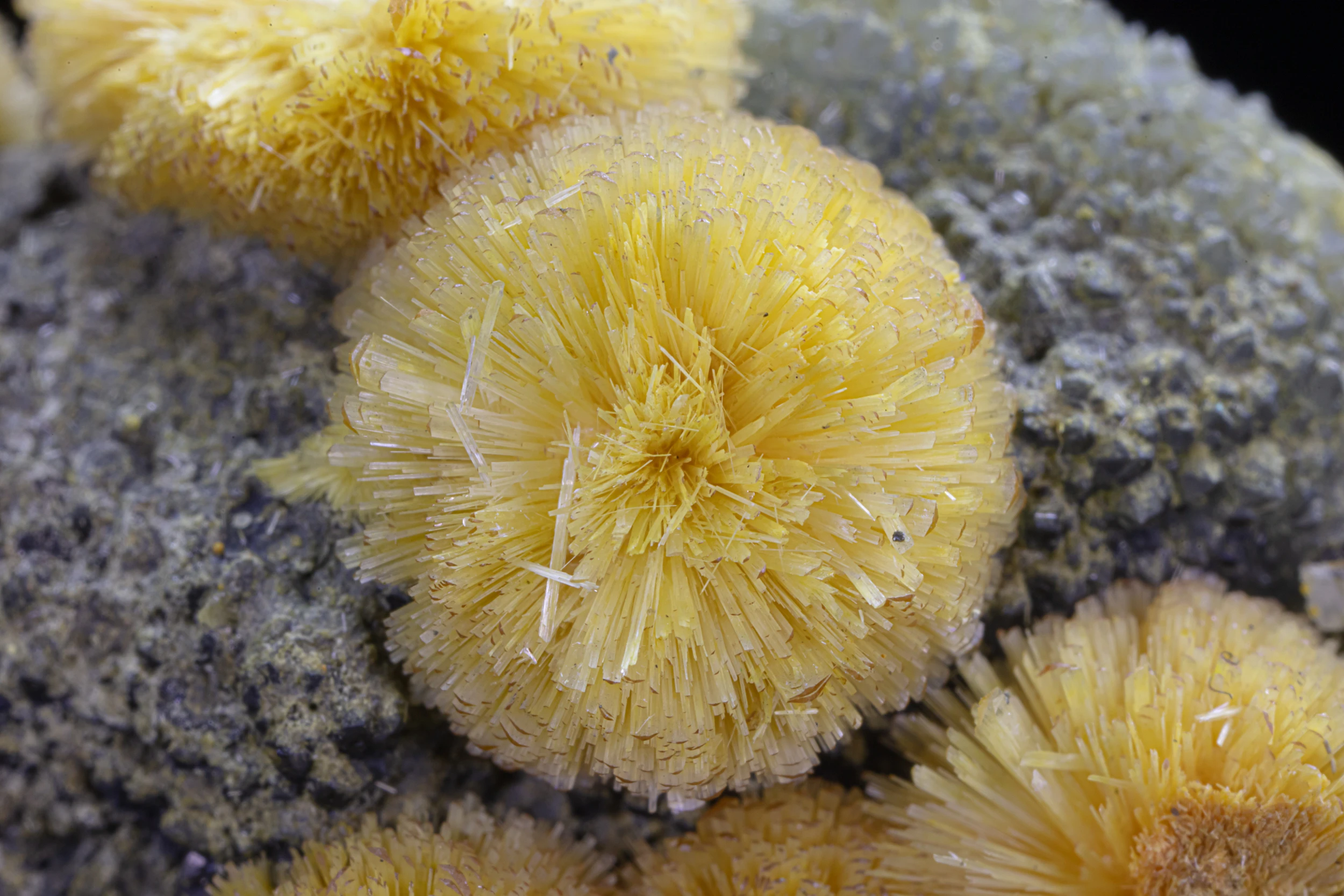
He travels a great deal, and liked the thought of carrying part of the collection with him. A photograph also goes where the eye cannot: a macro view shows a crystal face at a scale you would never reach holding the piece in your hand. And some minerals are never on display at all. Light degrades them, so they live in the dark, in a drawer, seen by almost no one.
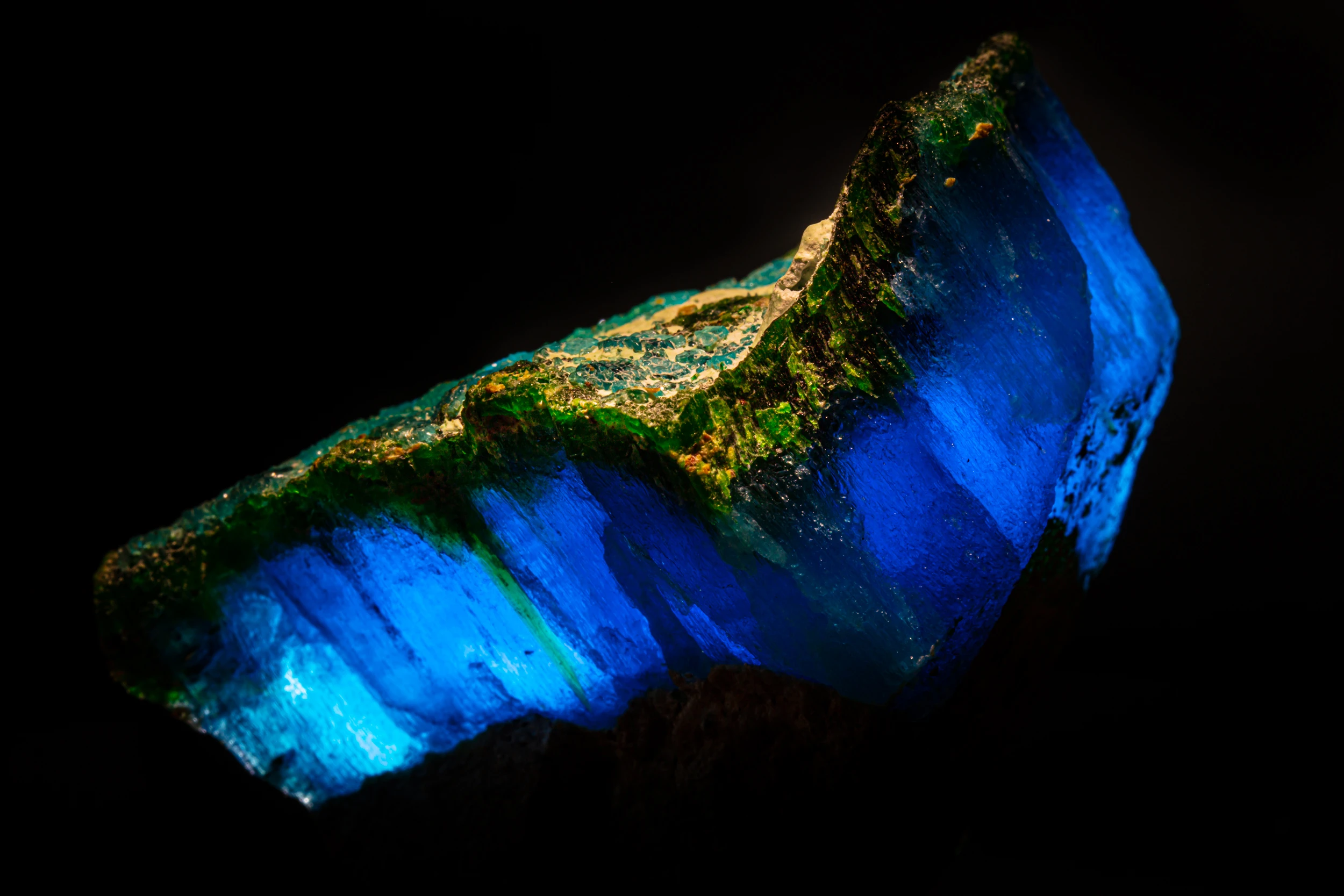
For those, the photograph is not a record of the specimen. It is the only way anyone will ever see it.
Where the first version stopped working
We had been talking about these photographs for a long time. Covid gave us the time to make them.
The site followed soon after, and the idea was mine: pieces like these deserved more than a cabinet and the few people who walk past it.
I built it in WordPress, one page at a time. Adding a single specimen took twenty minutes of manual work. I looked up the chemical formula by hand, wrote the links by hand, filled every field in the right order, or the page came out wrong. There was no filter by color, by hardness, by country or by crystal system, because none of that existed. At a few dozen pieces, with me doing it, that was fine.
Then life resumed. I had less time, and the collector could not add anything himself without a real risk of breaking something. Meanwhile the collection kept growing, and it was already far larger than what we had put online. Every update still went through me. What we had built was not a website anymore. It was a bottleneck with photographs on it.
Rebuilding it as a custom database website
I rewrote the whole thing in PHP, JavaScript and MySQL. A month of doing nothing else, then two more of testing and correcting. I am still adding fixes, improvements and new options today.
Adding a specimen now takes three minutes, photographs aside, and anyone can do it. You type the first letters of a mineral name, and the formula, the hardness, the family, the crystal system and the elements settle into place on their own, drawn from a reference of more than six thousand species recognized by the International Mineralogical Association. Nothing has to be looked up. Nothing lands in the wrong field.
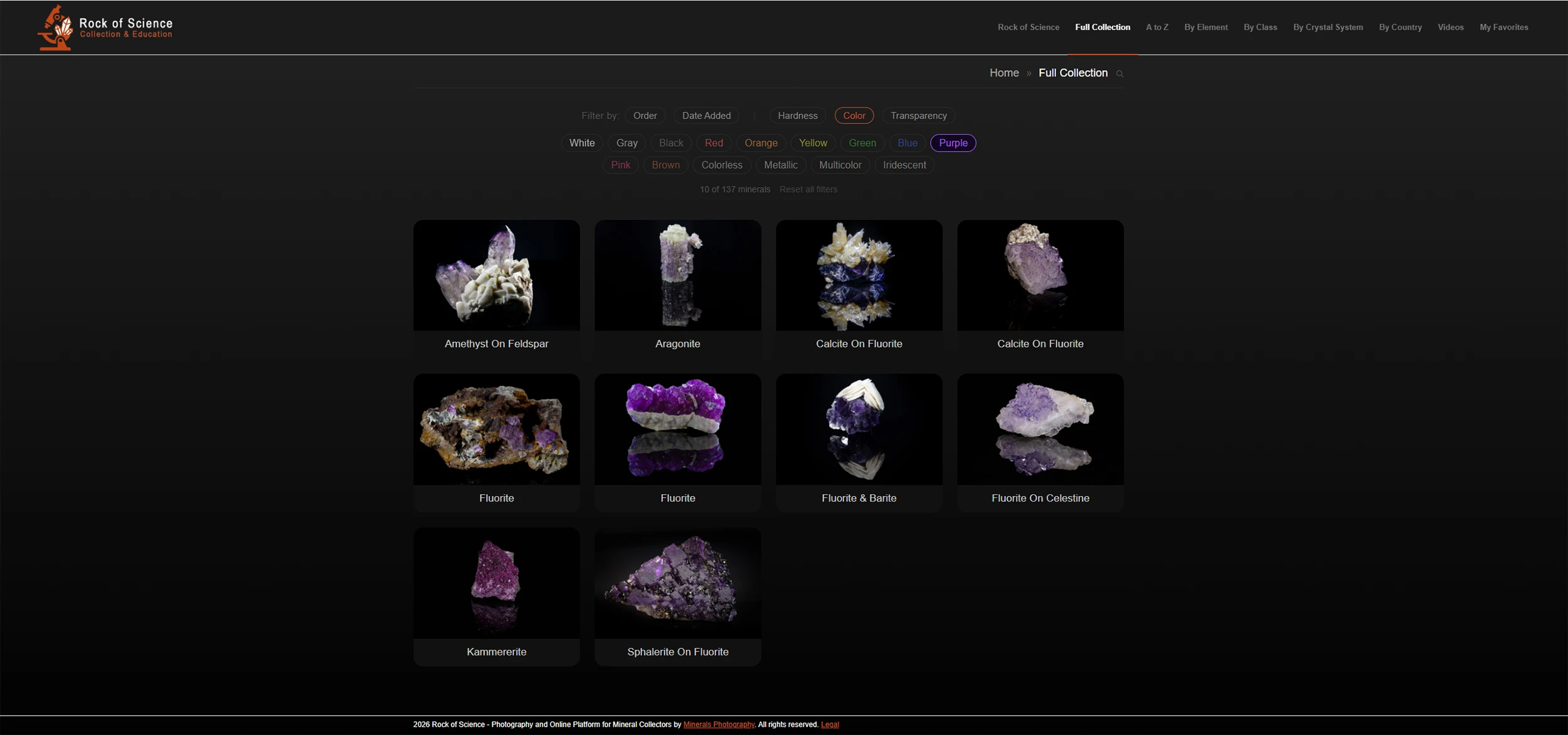
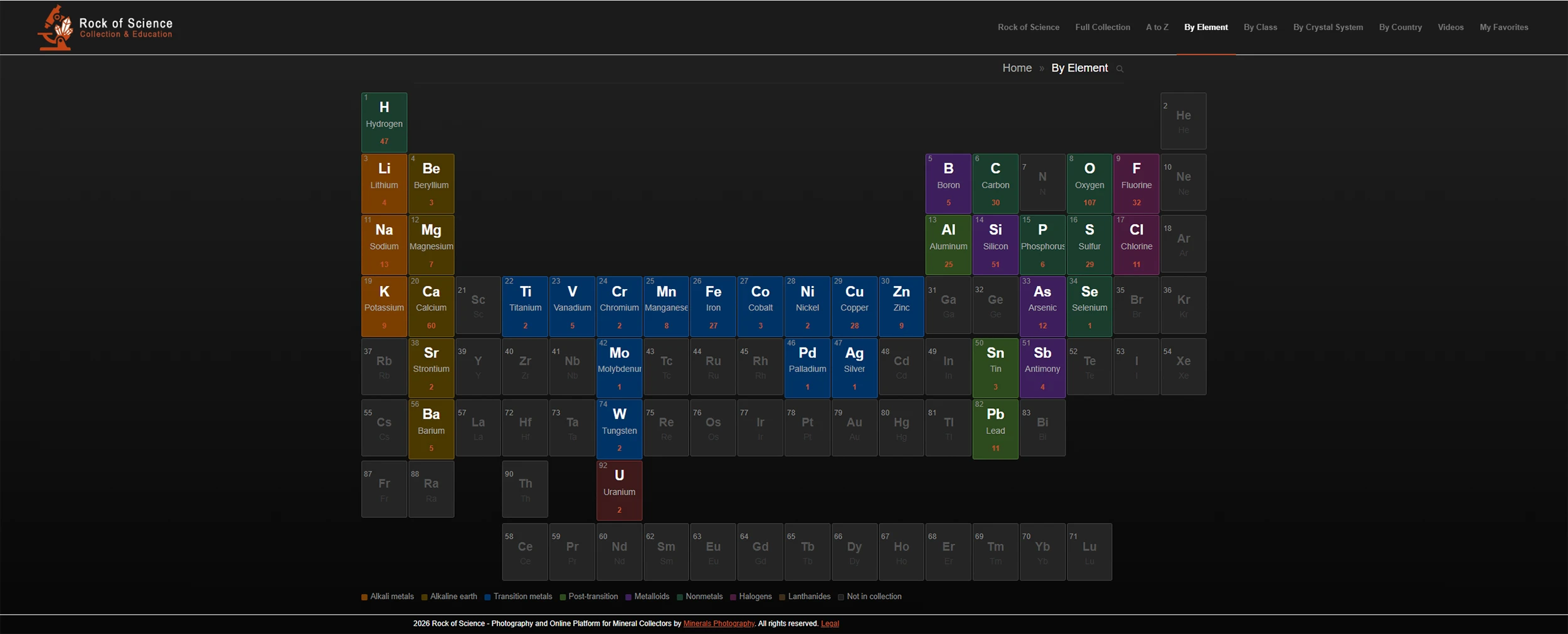
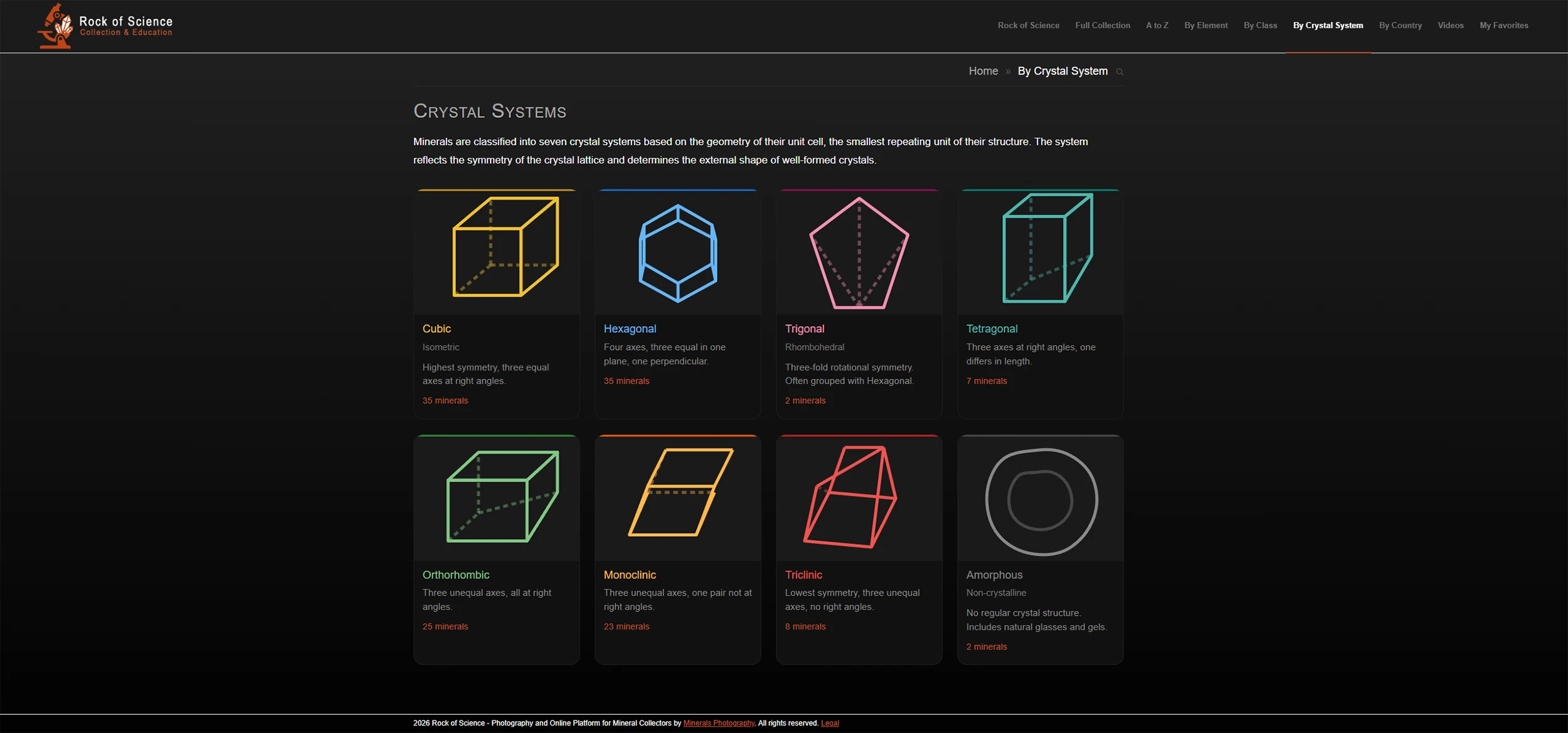
The collection opens through eight doors instead of one long list. An interactive periodic table where only the elements actually present are active. The ten Strunz families. The seven crystal systems. A world map down to the mining locality, an alphabetical index, a full grid filtered by color, hardness and transparency, a video page, and a selection of favorites. Each one reaches the same specimens from somewhere else.
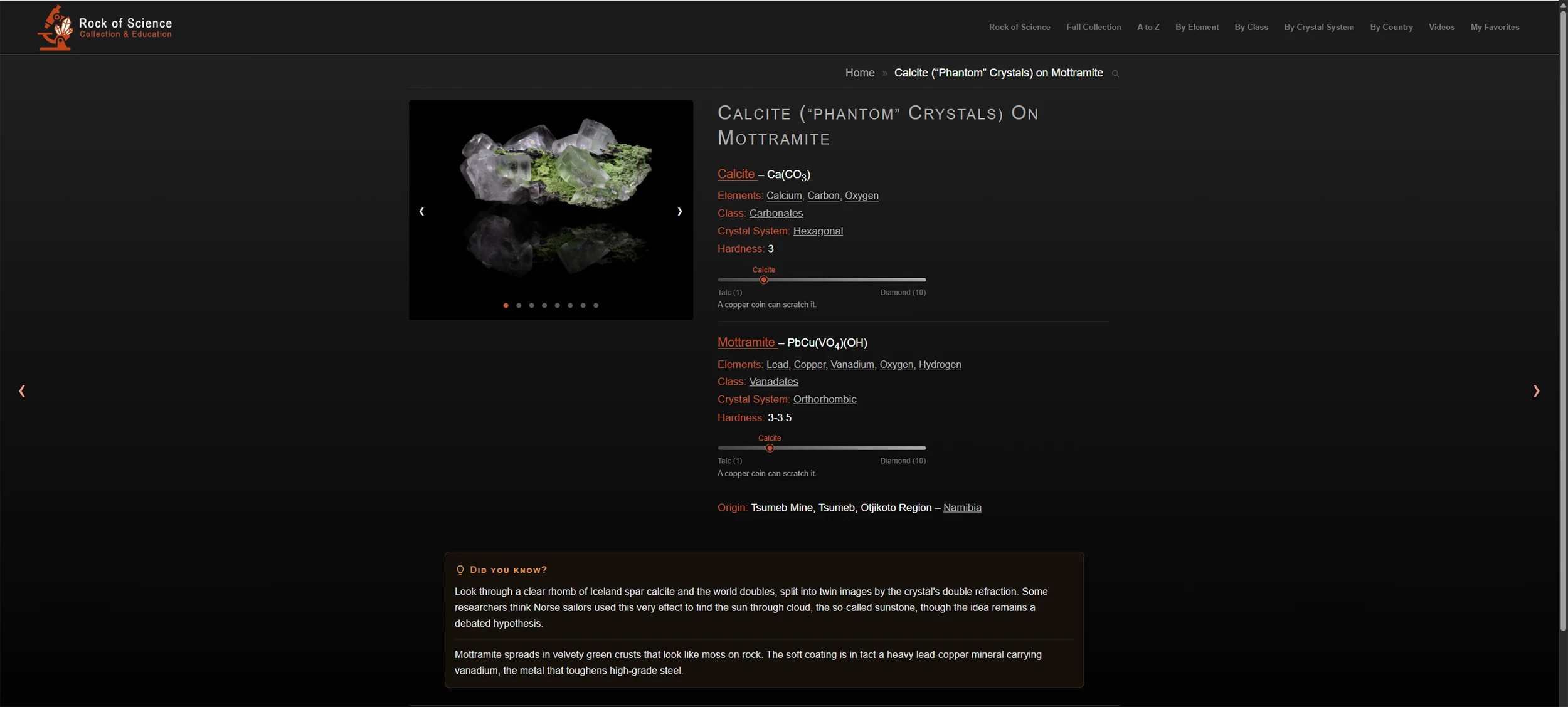
Every specimen carries its own record: formula, elements, class, crystal system, hardness placed on a visual scale between talc and diamond, and a locality down to the mine. Minerals do not all keep the same way, so the ones that suffer from light, humidity or handling say so on their own page.
Readable without dimming the photographs
The colors were settled before the first line of code: anthracite, orange, white text. They are the studio’s own, and they happen to be what most photographers choose, because a dark ground lets an image carry itself.
The difficulty came from the text. There was far more of it than on anything I had built before, and a single page often spoke to two people at once. A collector who knows exactly what he is looking at. And someone who clicked because a stone caught the light.
So every page follows the same model, and the information arrives in layers. You come for the photograph. A line explains something, you click an element, and there is more behind it. Nothing is hidden, and nothing arrives all at once.
The “Did you know” boxes come from the same idea. Fluorite is where the word fluorescence comes from, named after the stone in 1852. That is the kind of thing a twelve-year-old repeats at dinner and a collector enjoys reading again.
Are you a collector yourself?
How the photographs are made
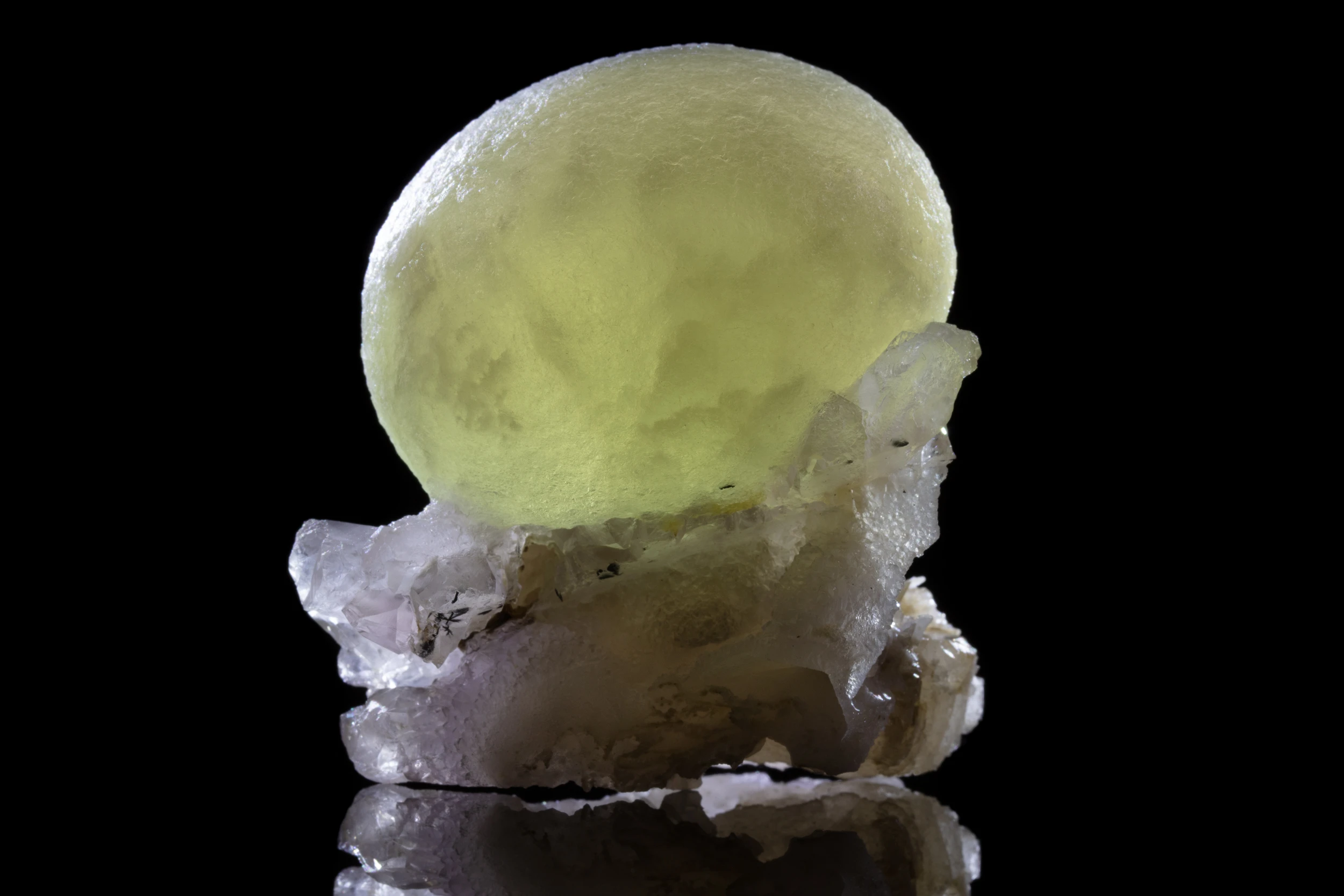
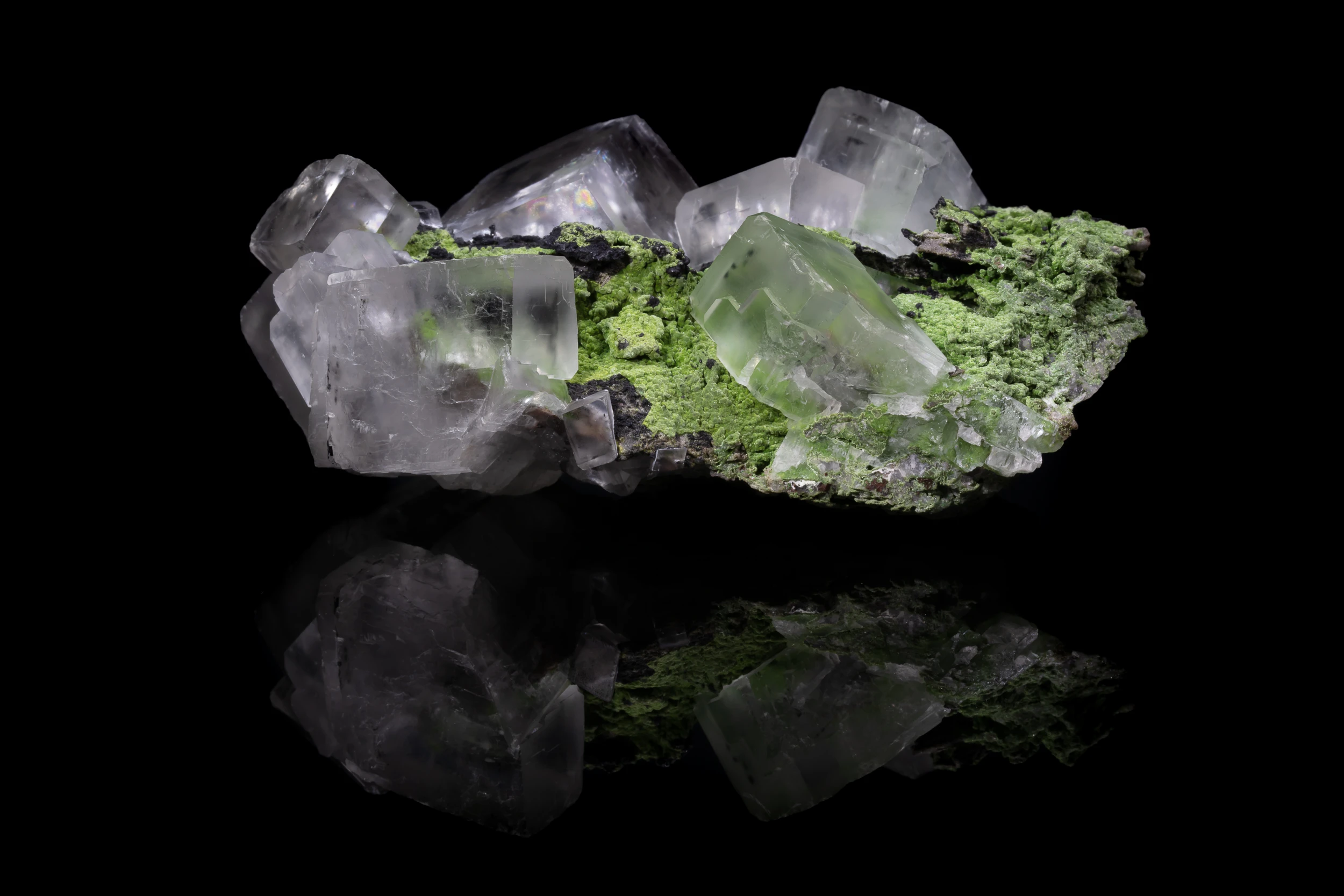
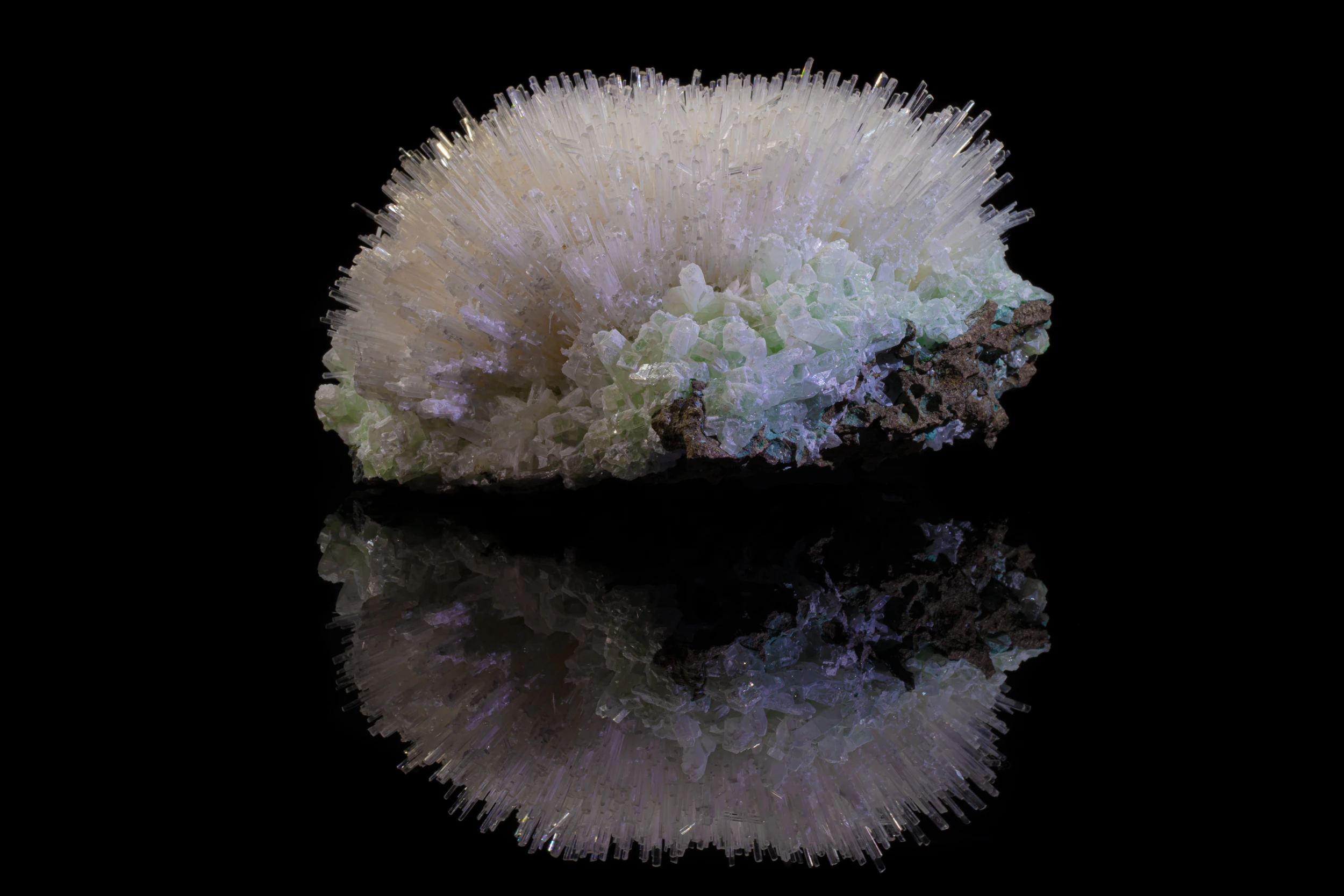
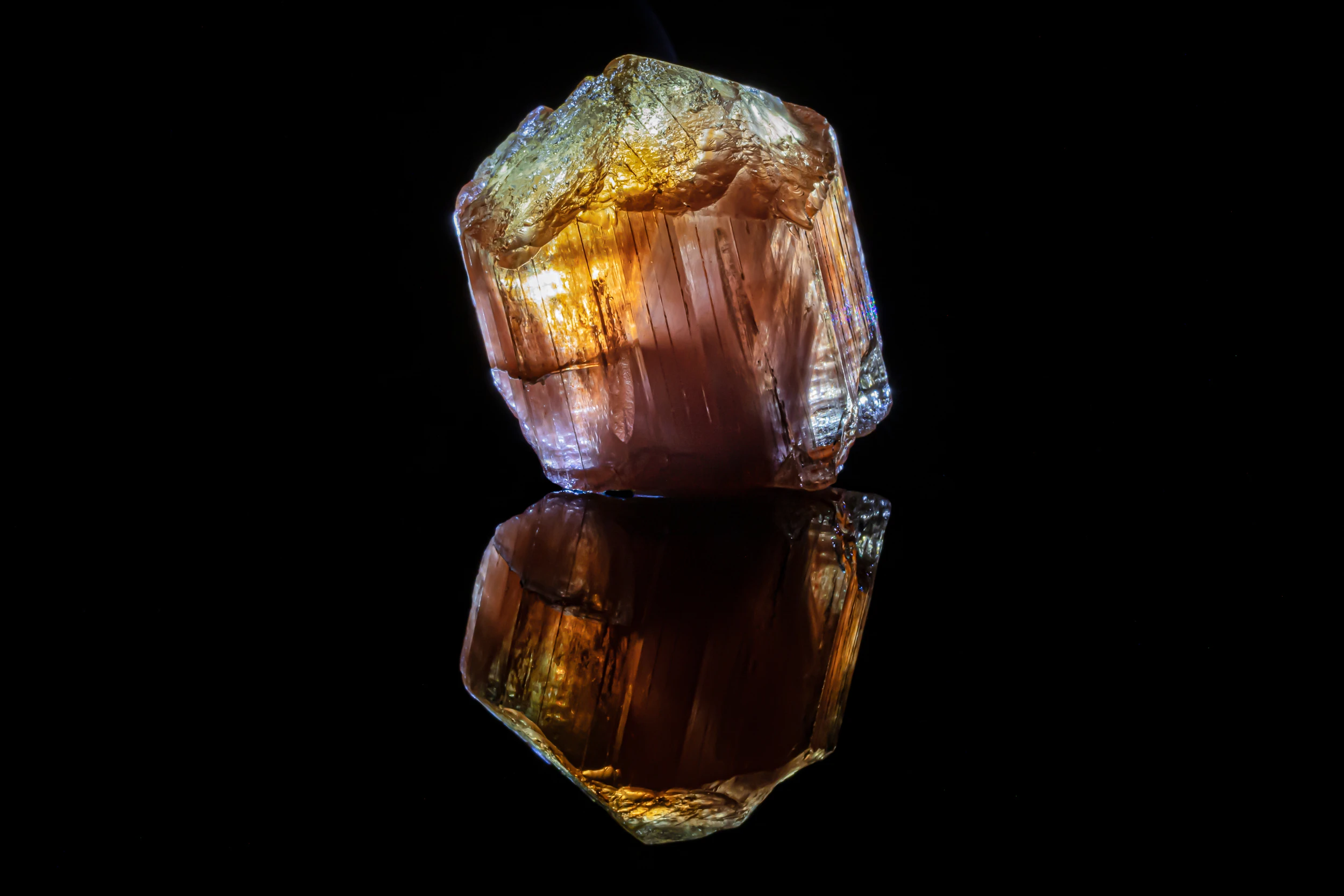
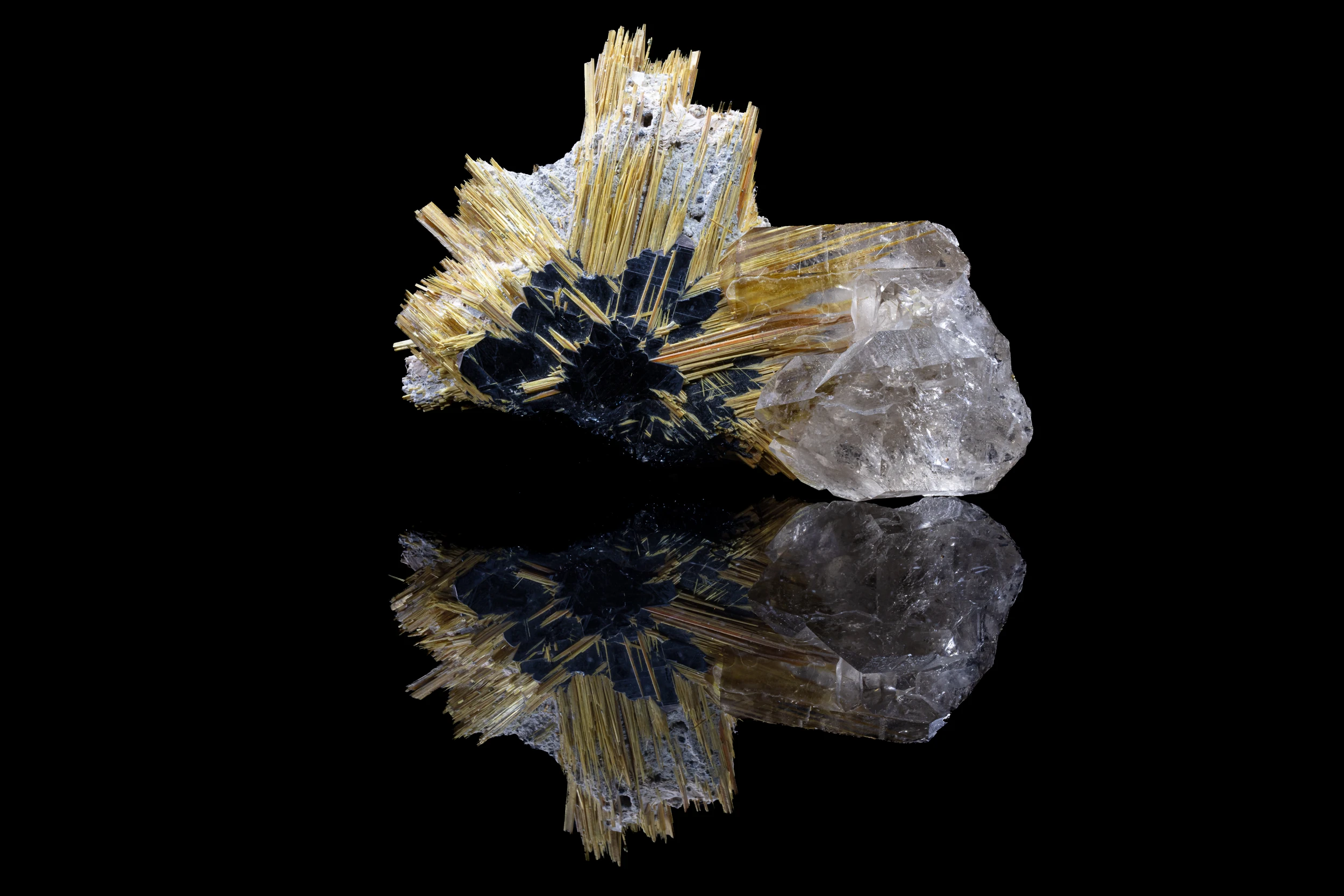
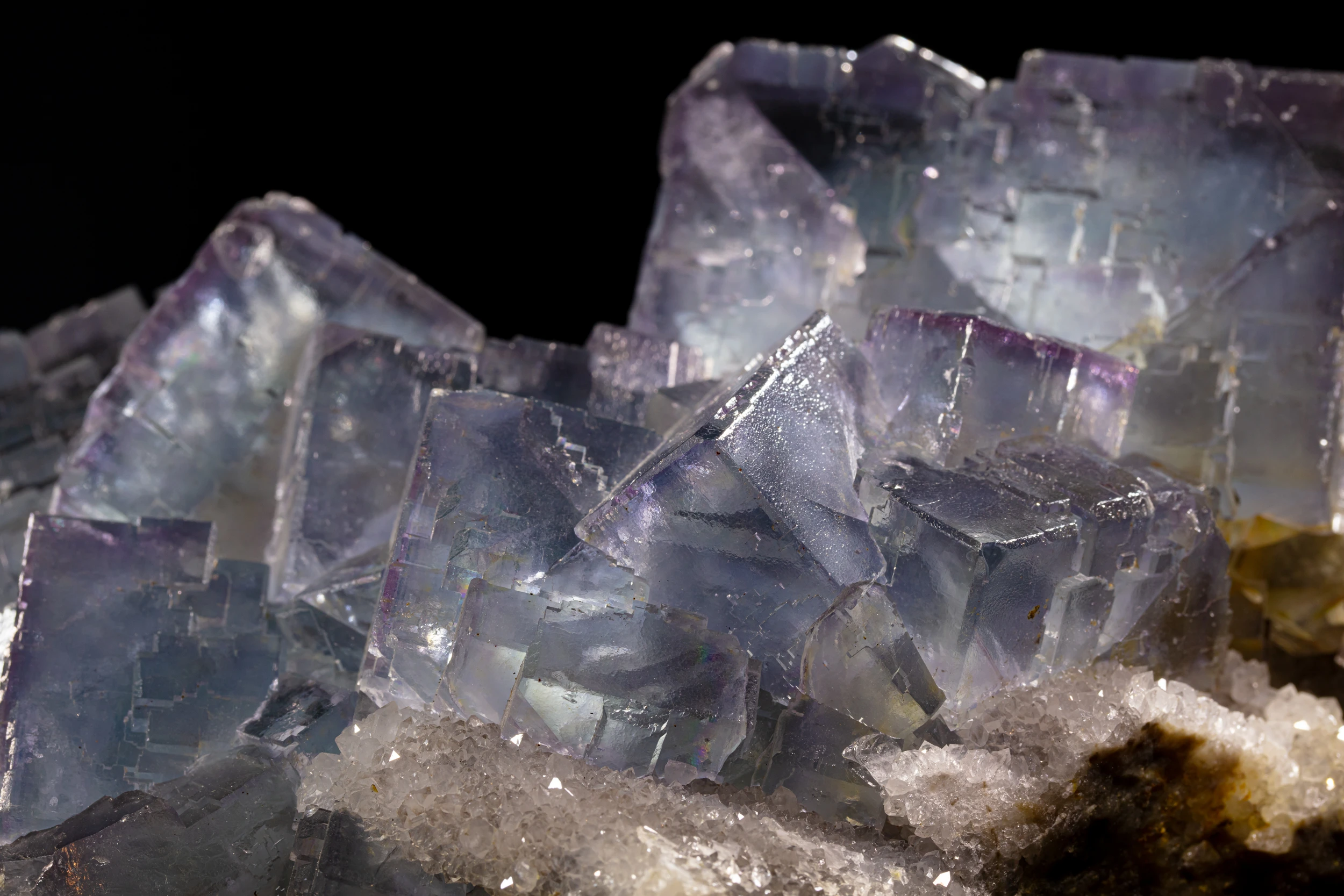
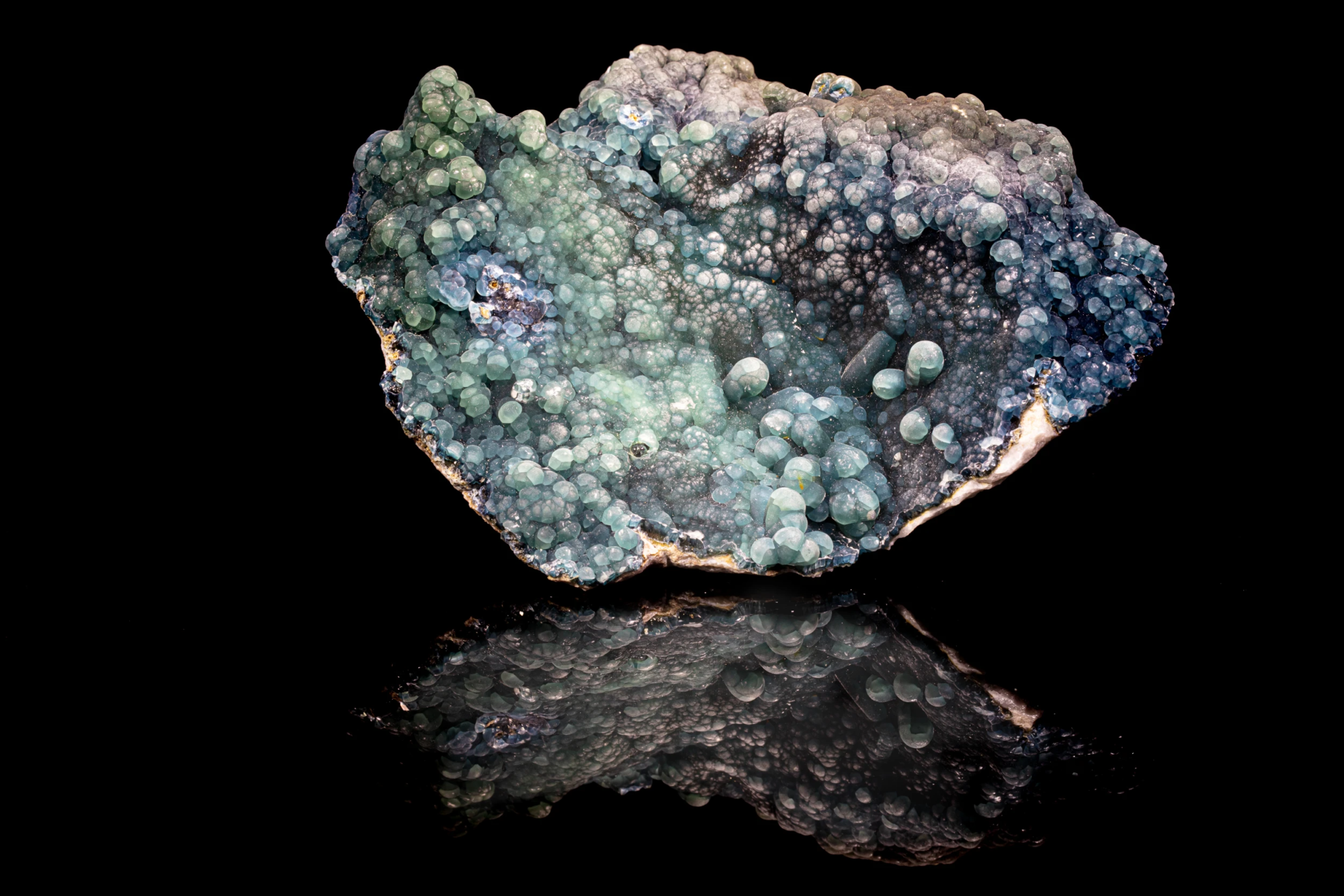
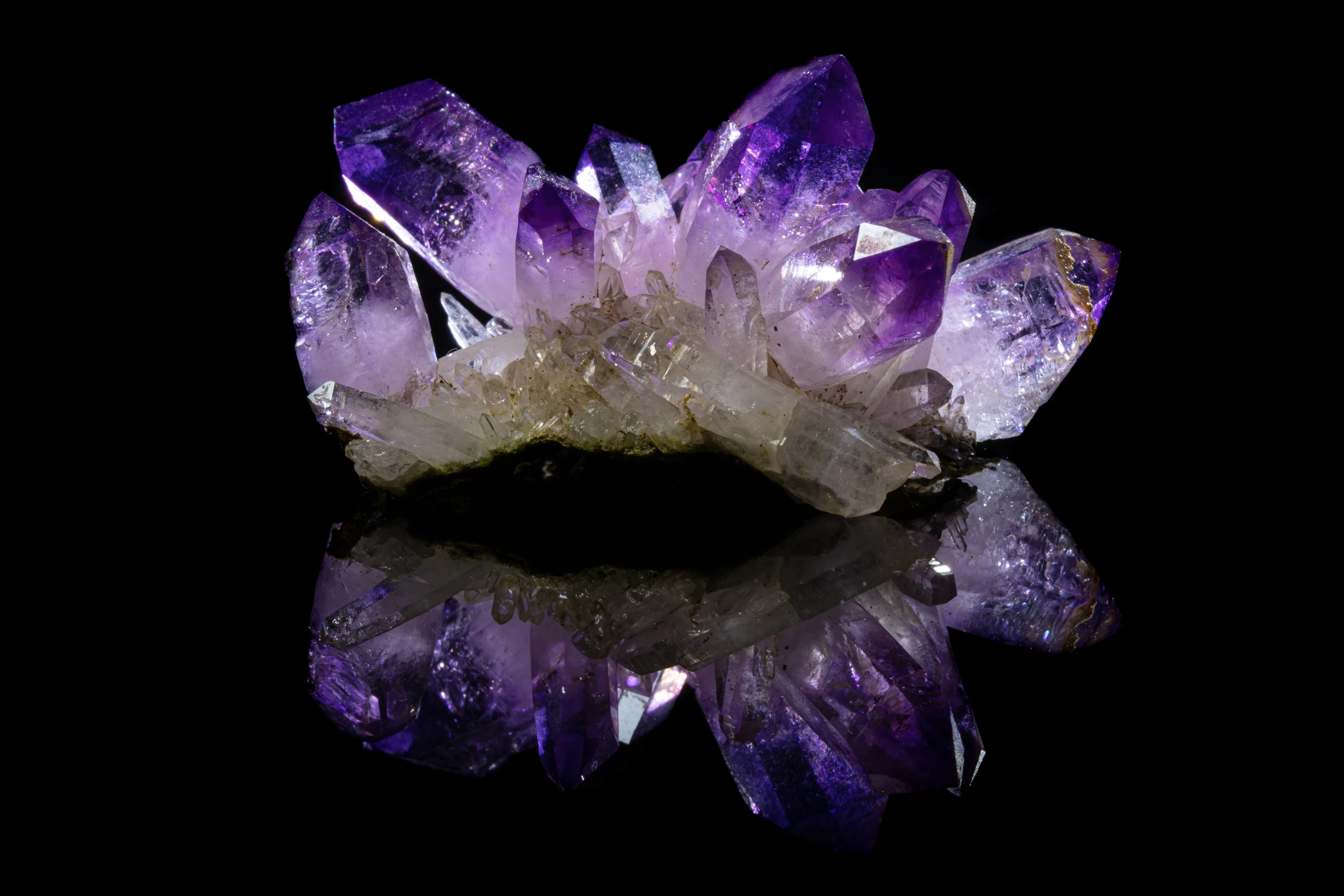
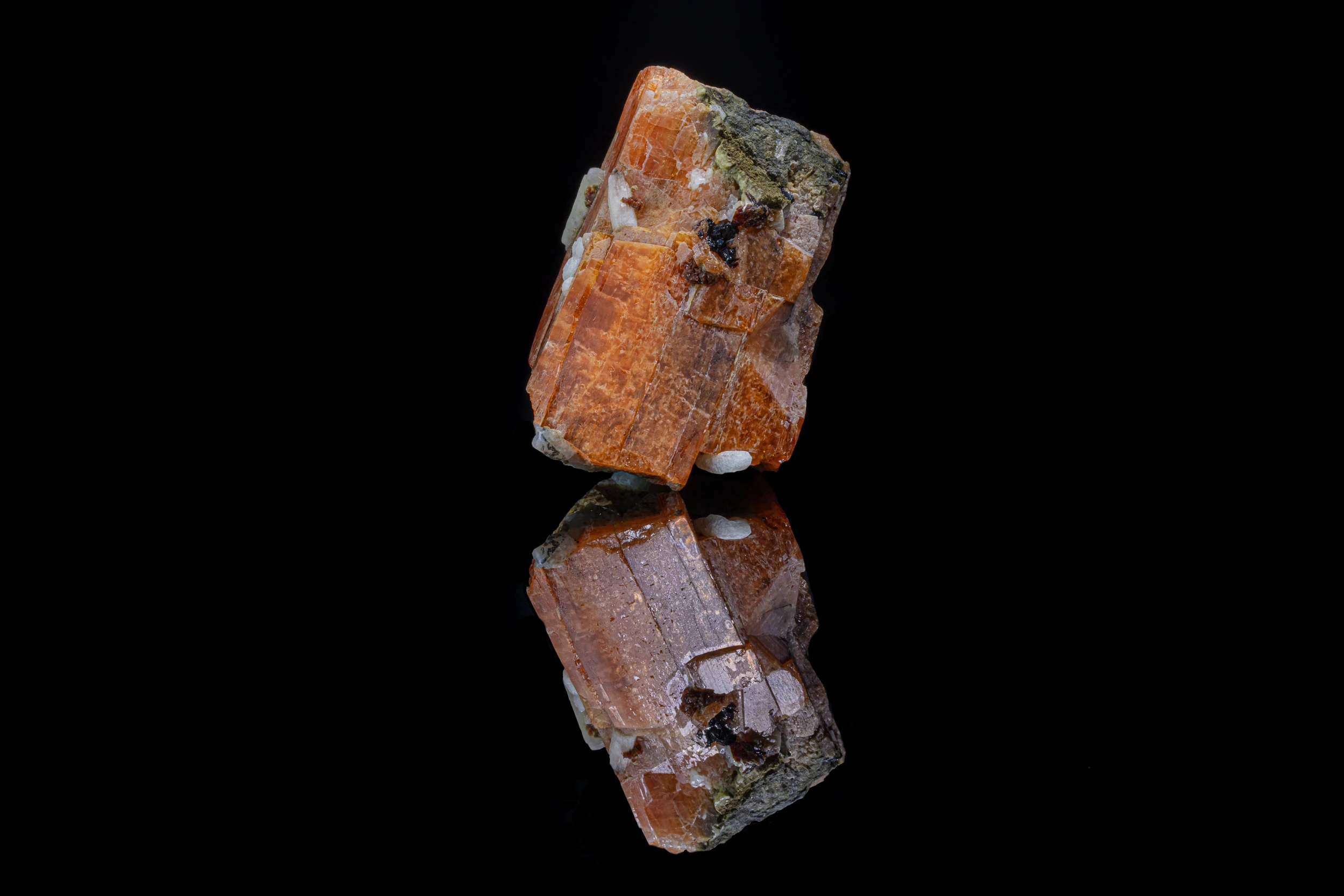
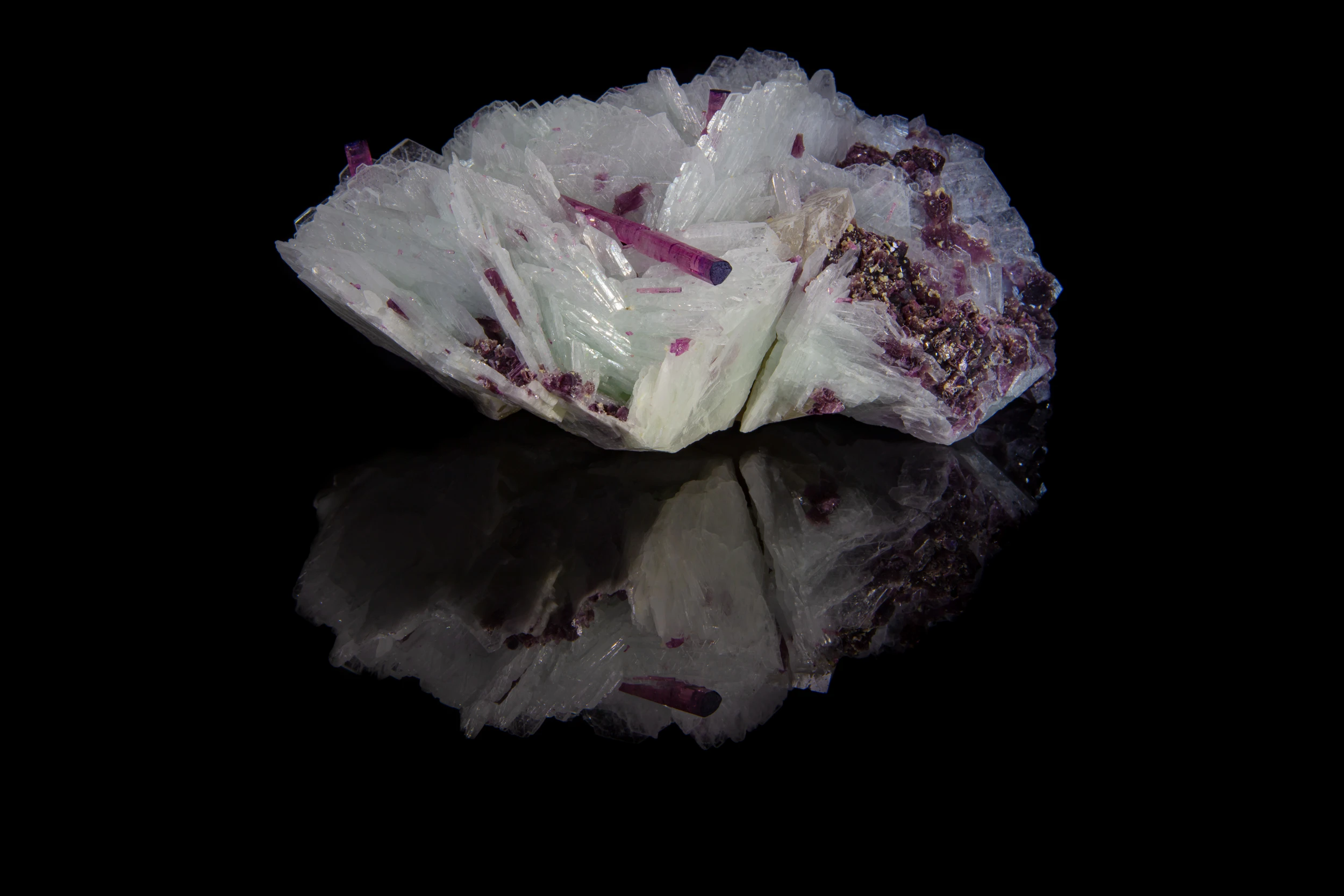
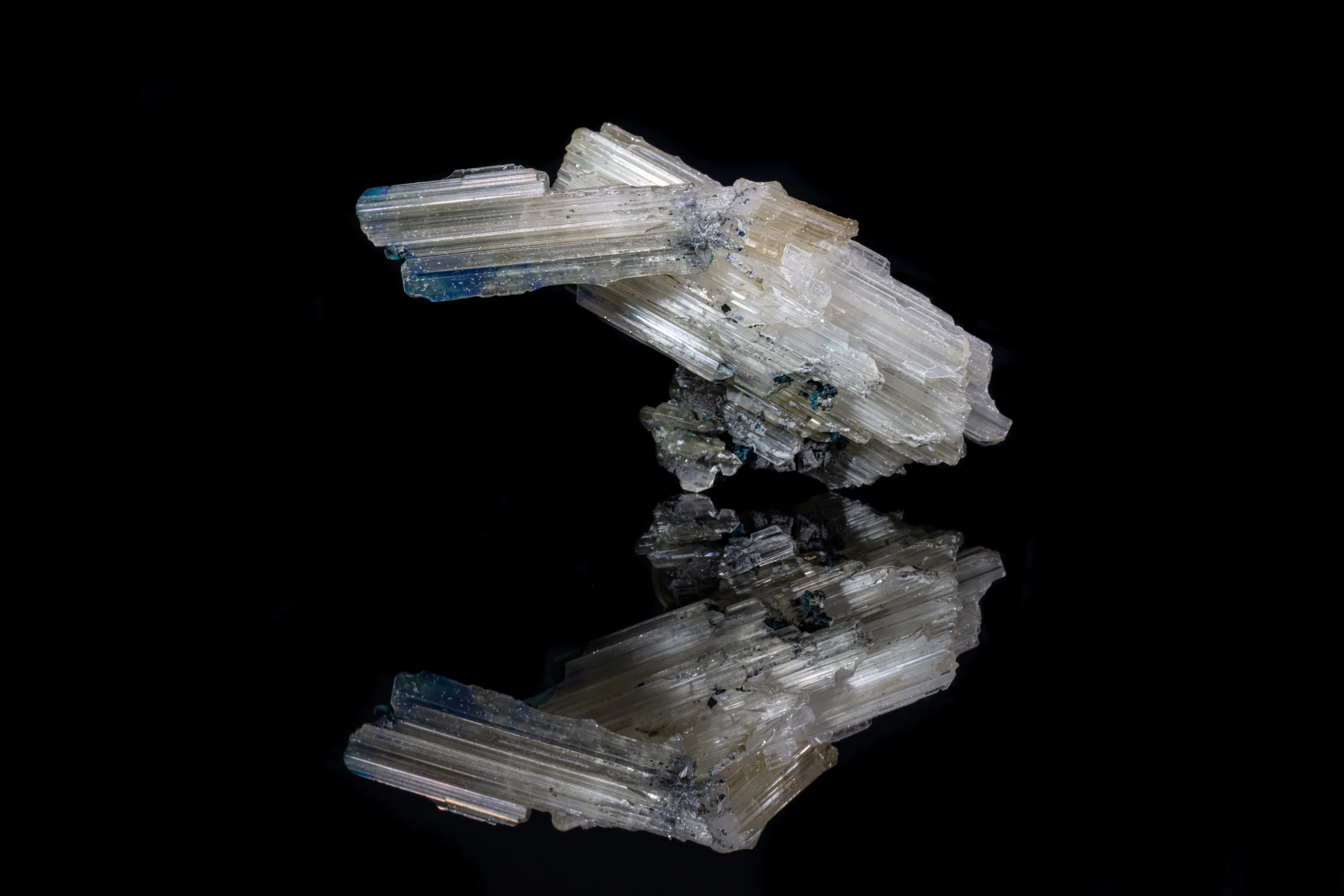
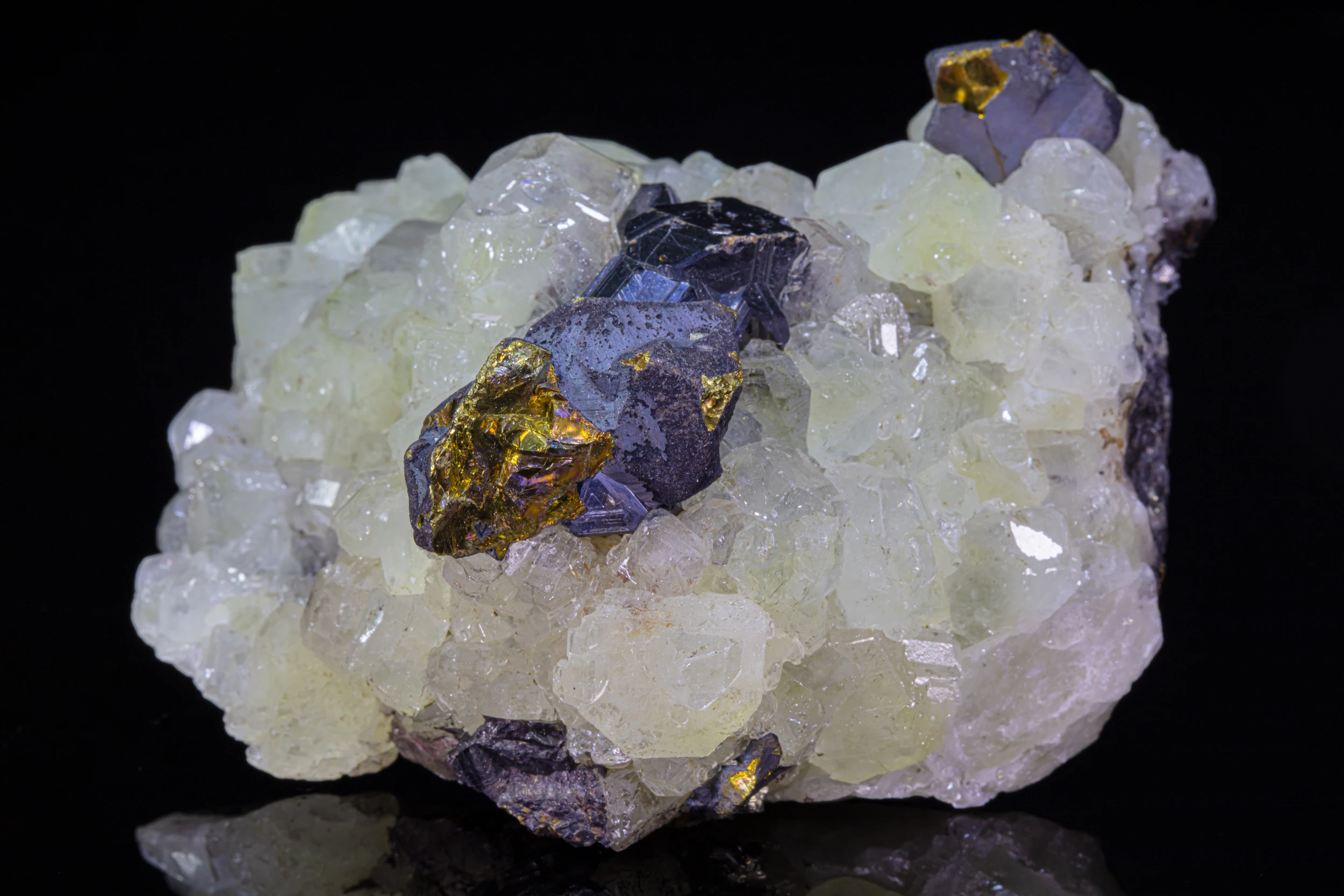
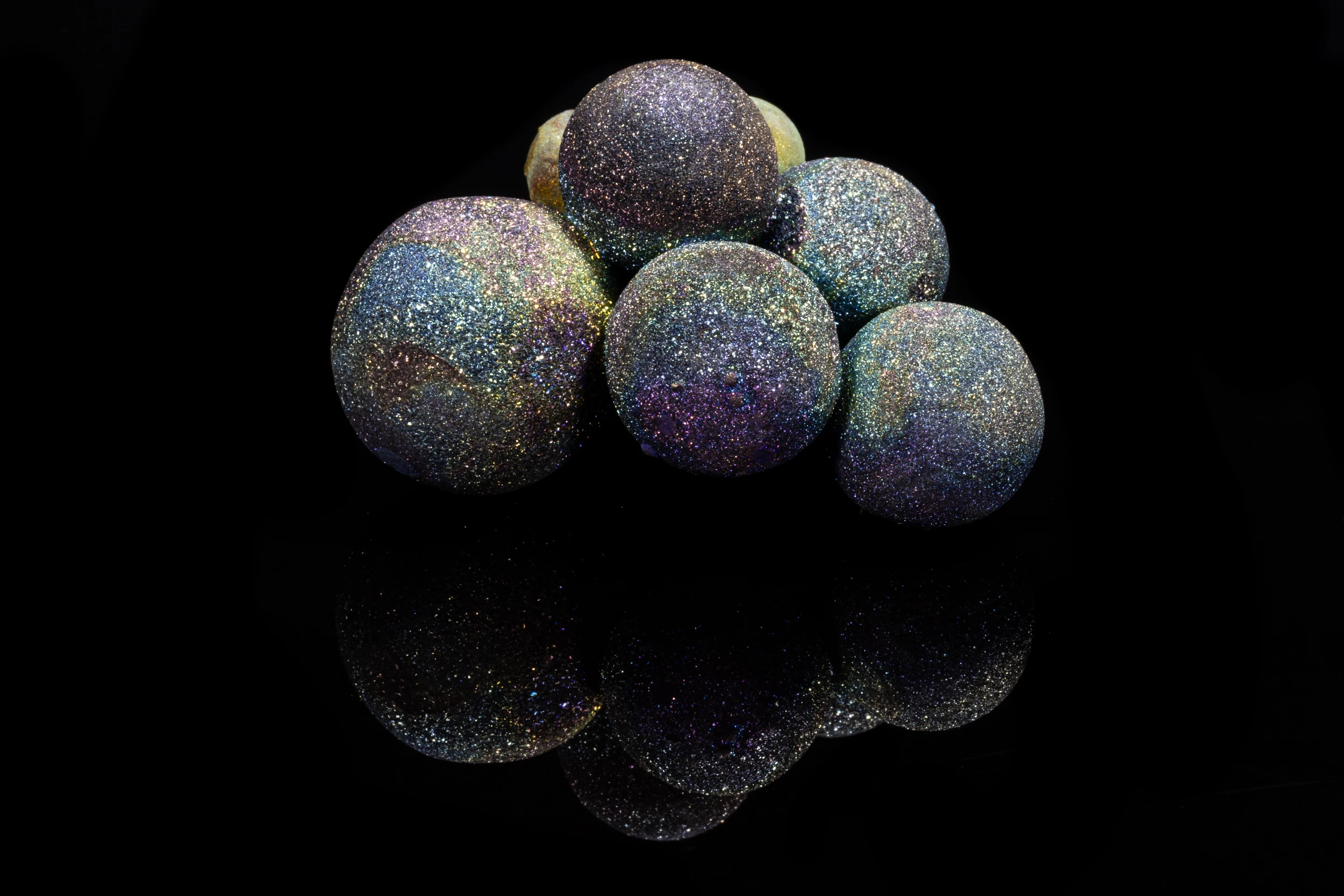
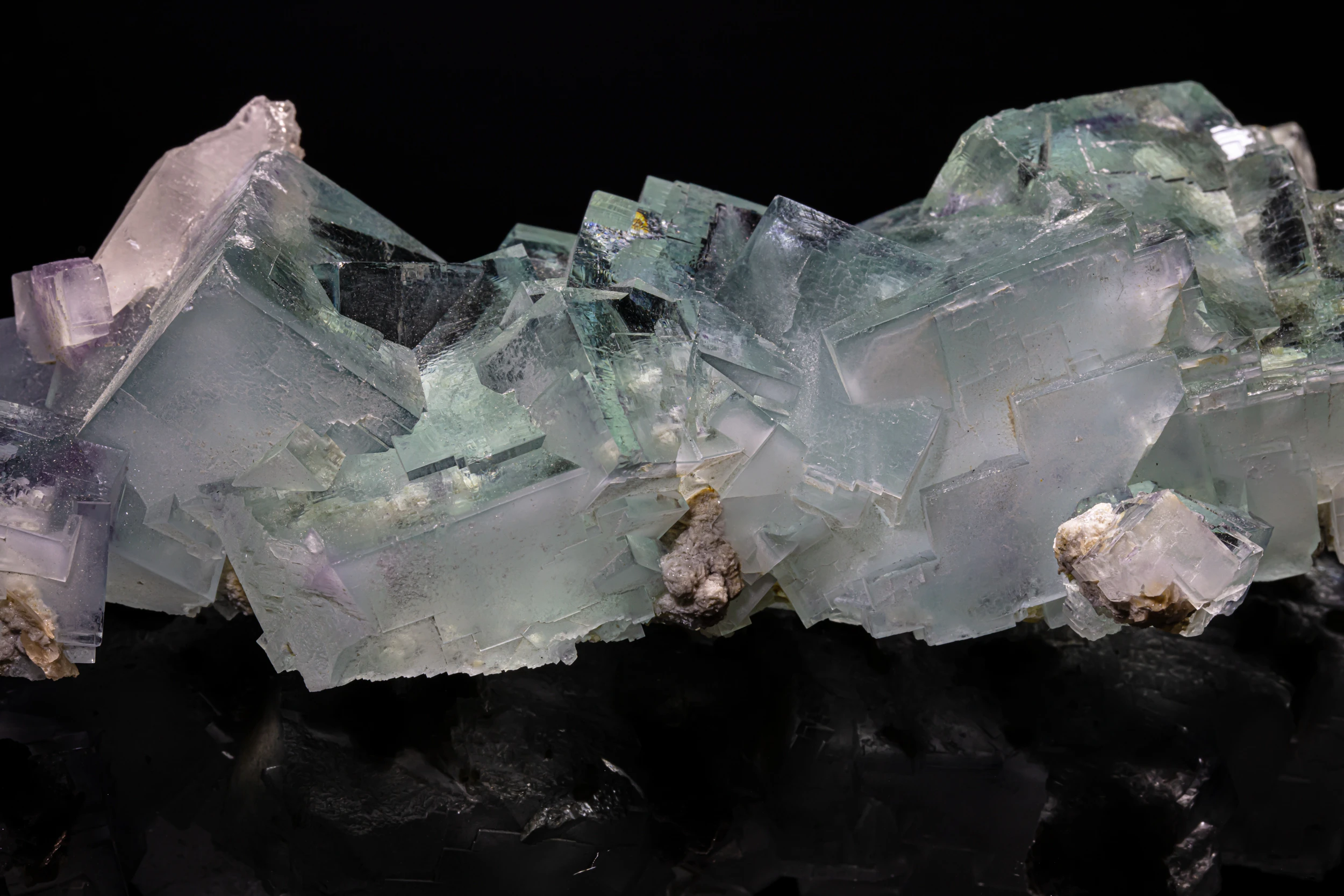
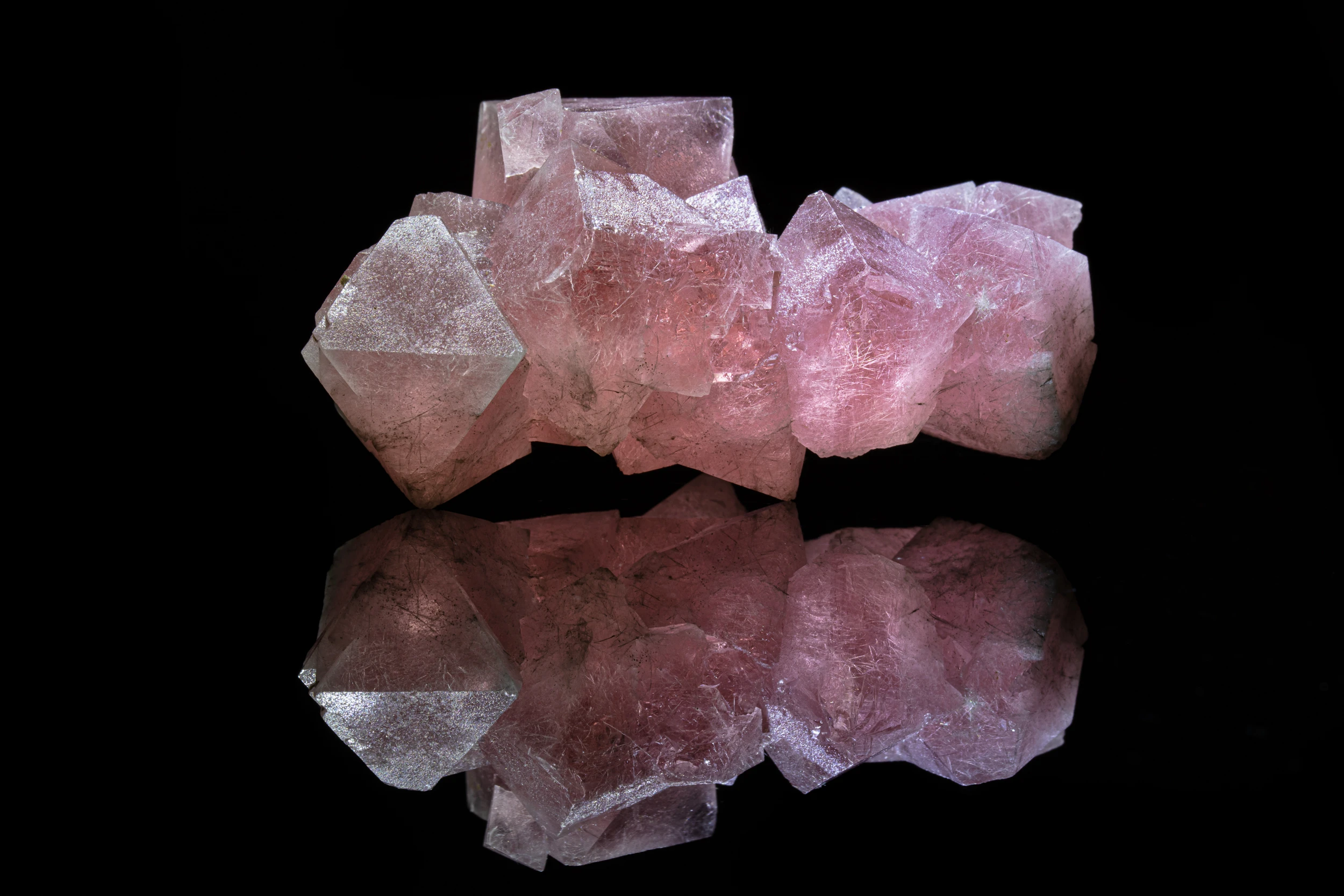
The specimen sits on black vinyl, against a black backdrop. The vinyl gives the second image below. The backdrop gives nothing at all, which is the point.
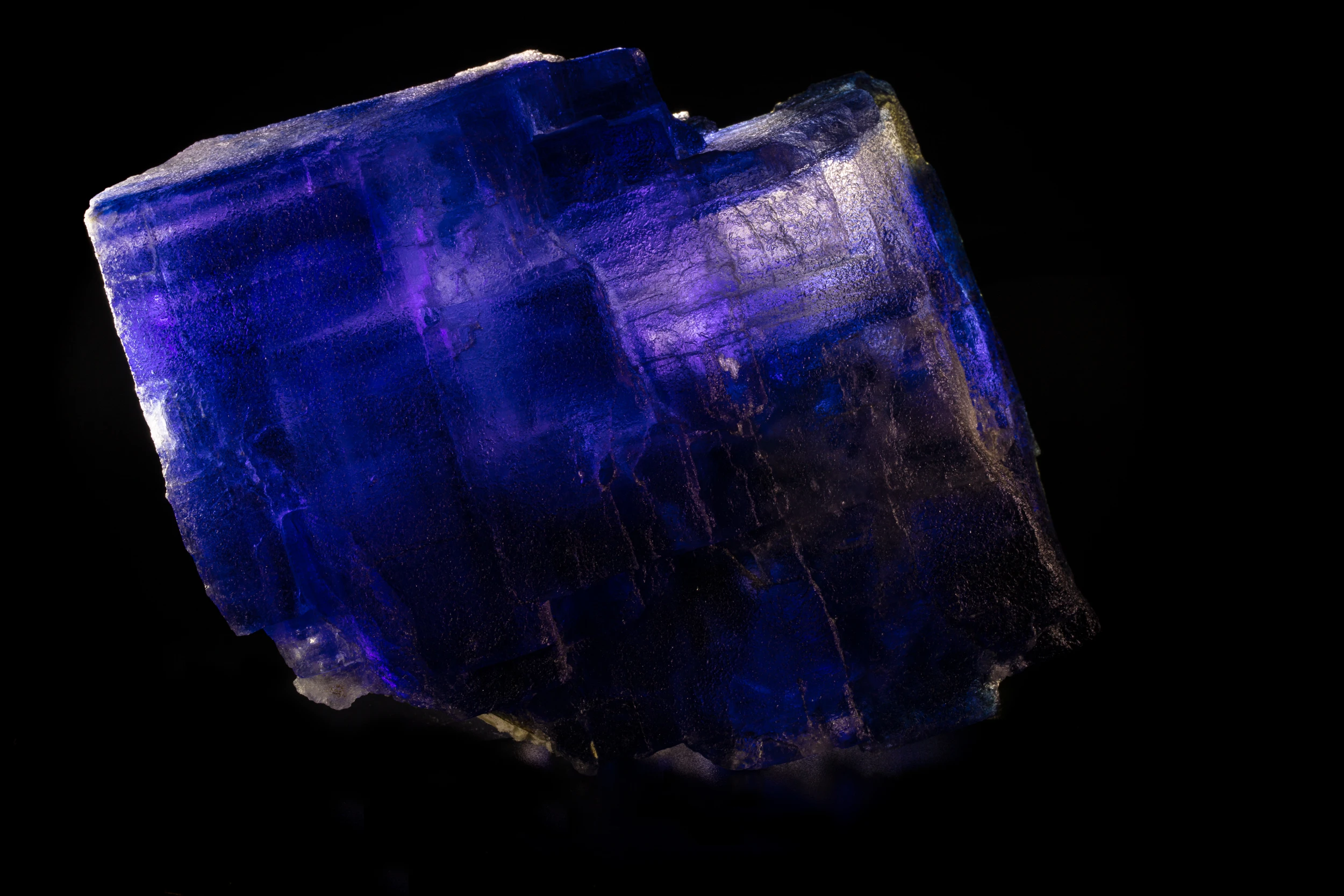
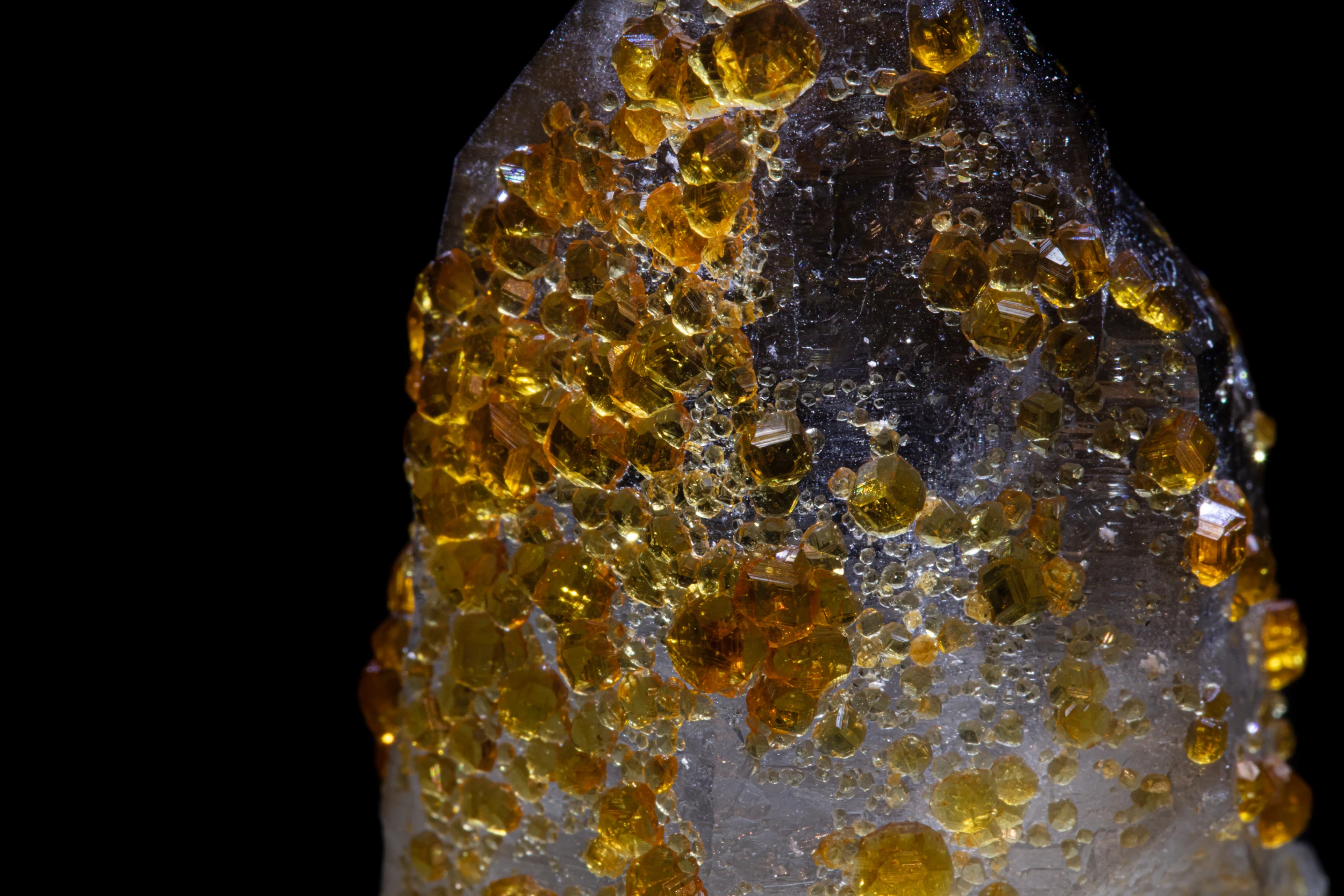
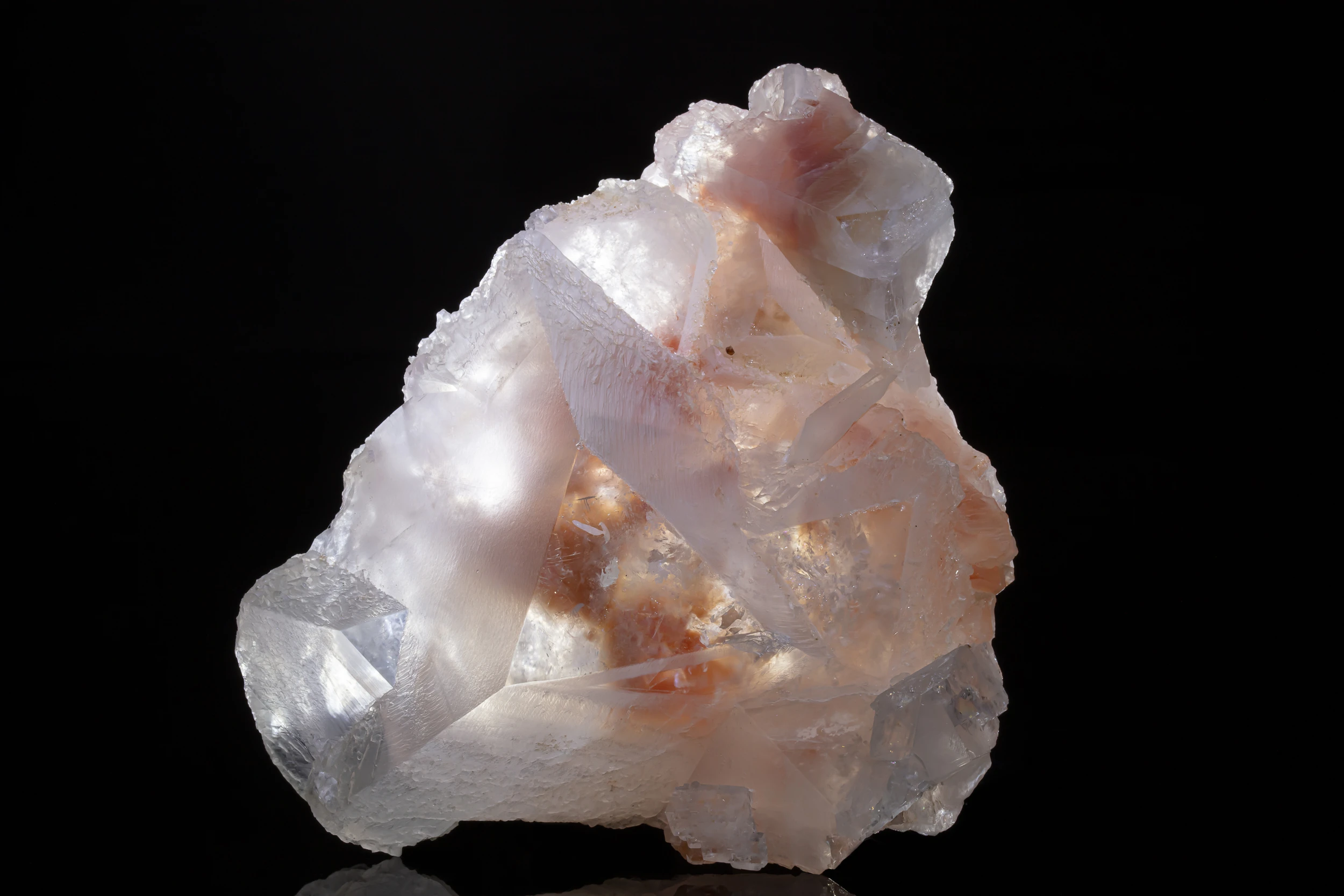
The light comes from an Adaptalux system: two control units, each carrying up to five flexible optical fiber arms. Every arm is placed on its own, at its own angle and its own intensity. One grazes the surface to catch a crystalline crust. Another sits behind the piece, so the light passes through it instead of landing on it, and the color comes from inside the stone rather than off its face.
A crystal face rarely behaves like the one next to it. Placing five sources one by one is the only way to answer that.
For video, the specimen sits on a motorized turntable. A full rotation, no hands, no risk. Names and chemical compositions appear as subtitles, so the viewer knows what is turning in front of them.
A rotating showcase of mineral specimens, filmed to reveal their full form and texture.
Names and chemical compositions appear as subtitles to help viewers understand what they’re seeing.
Gallery
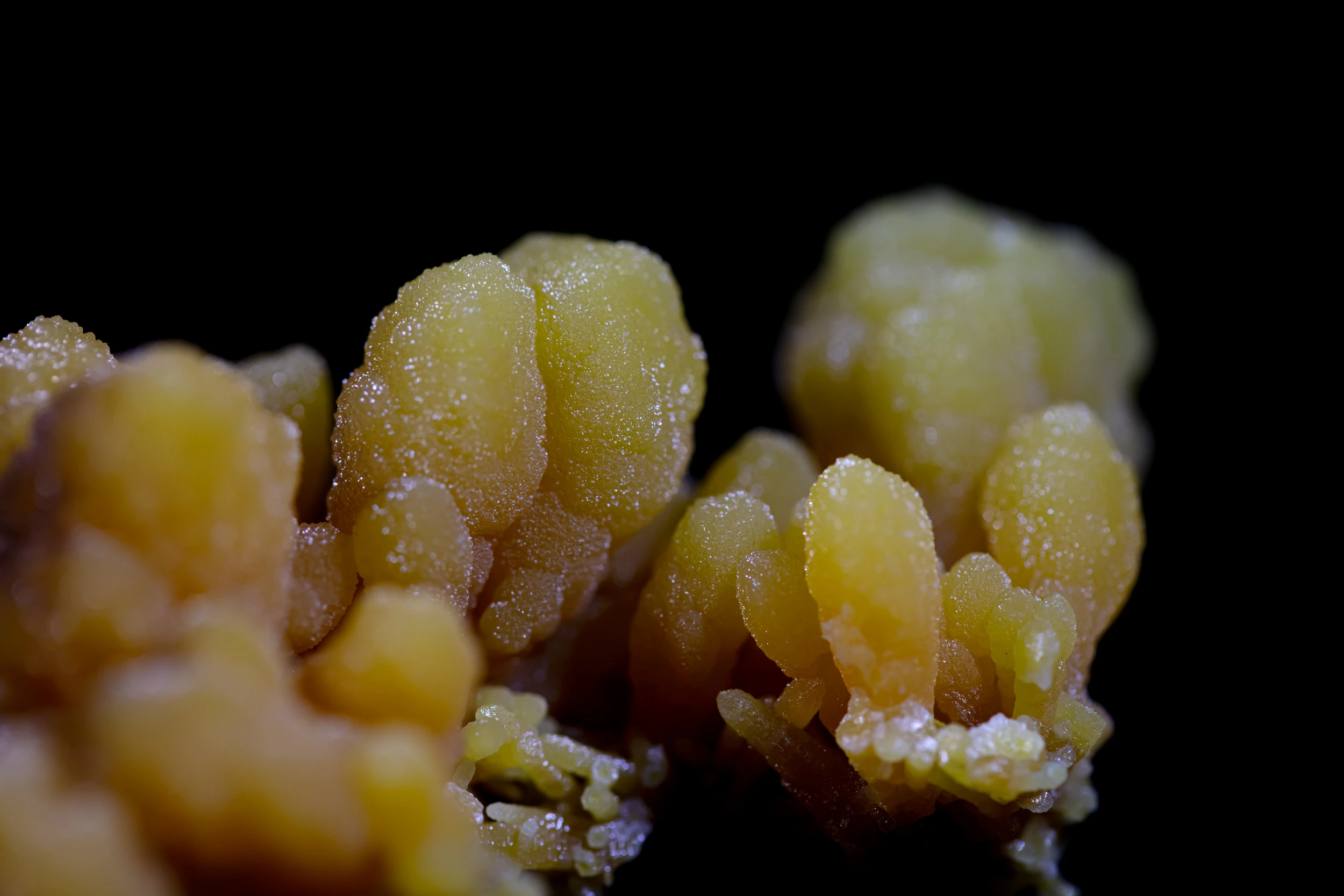
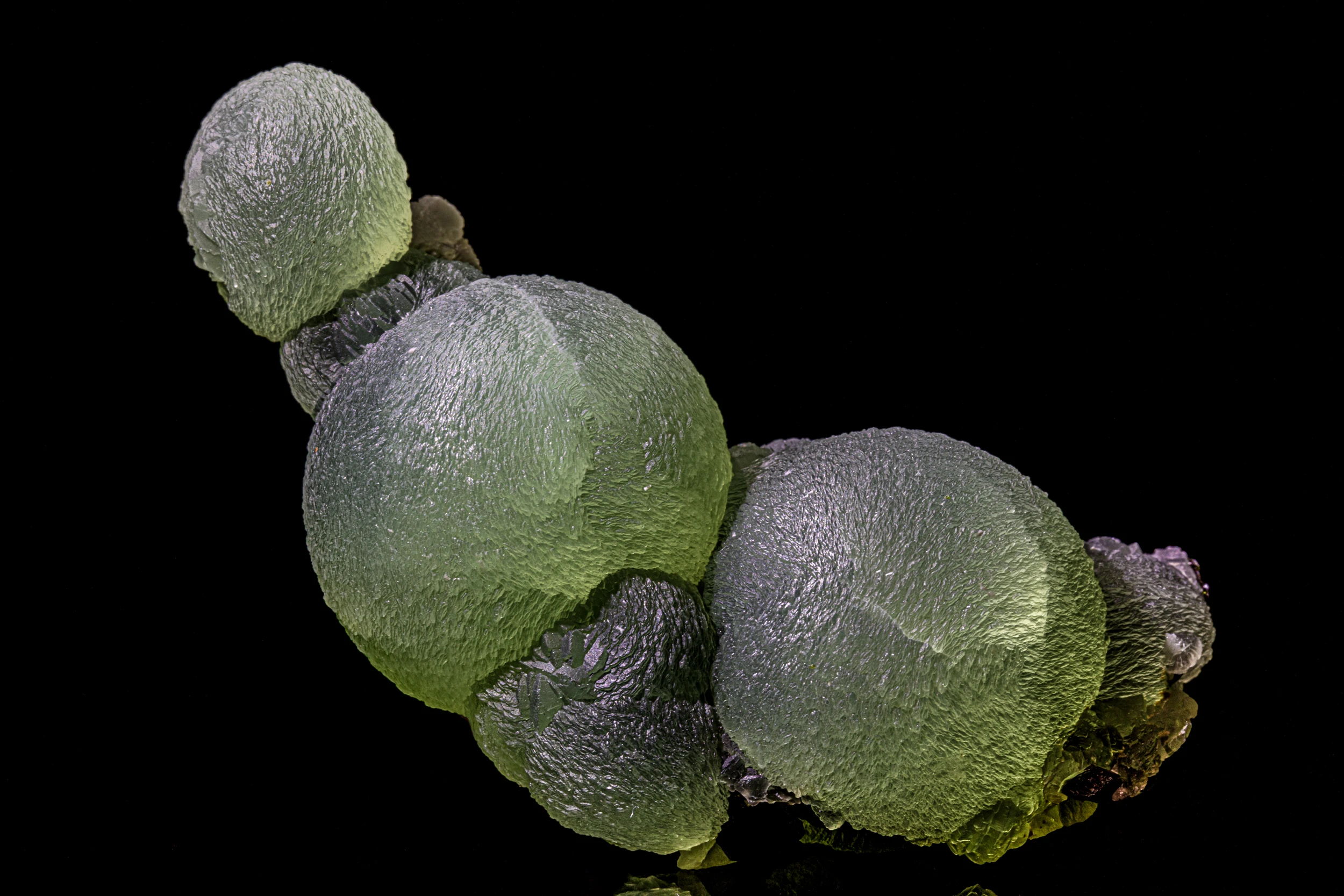
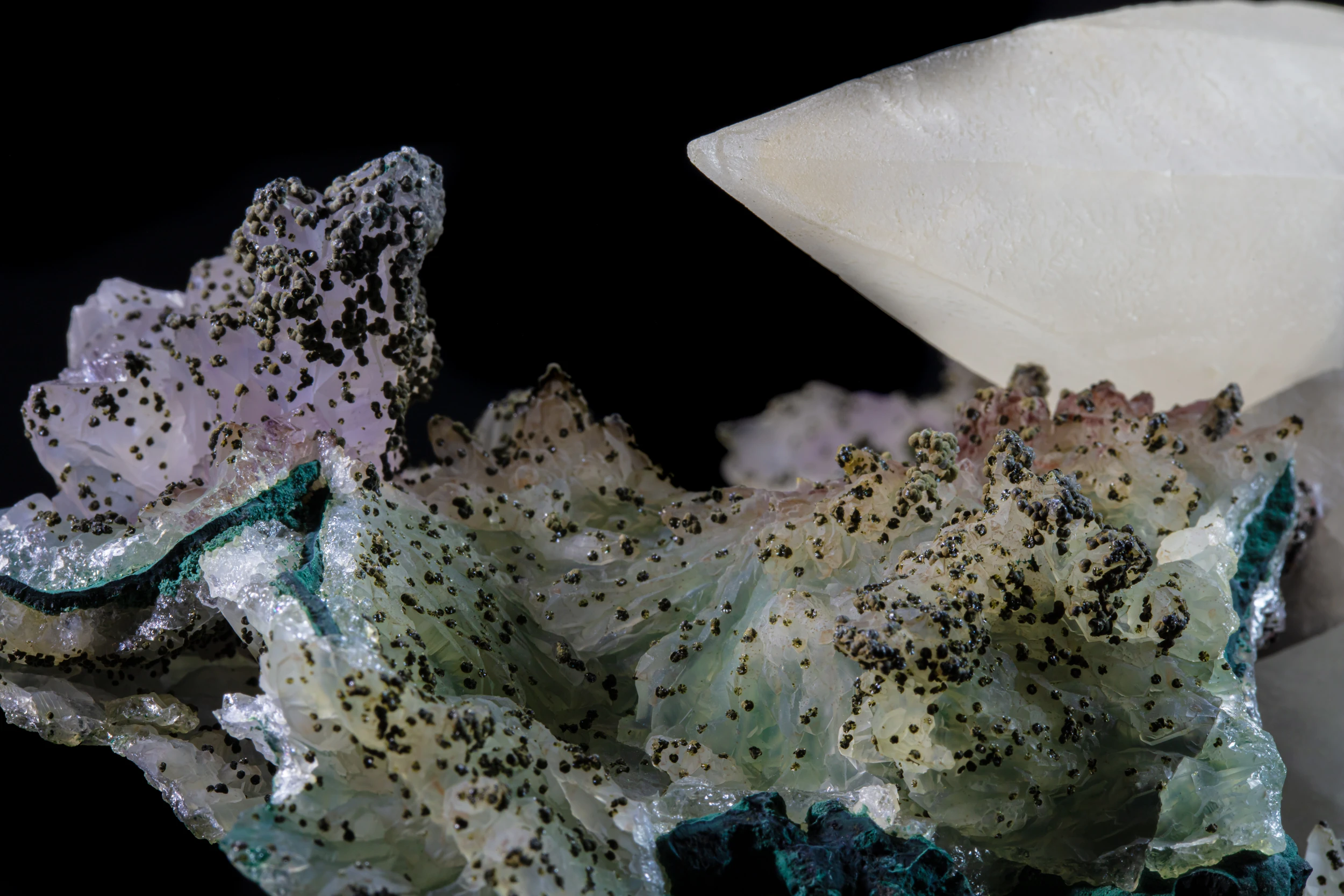
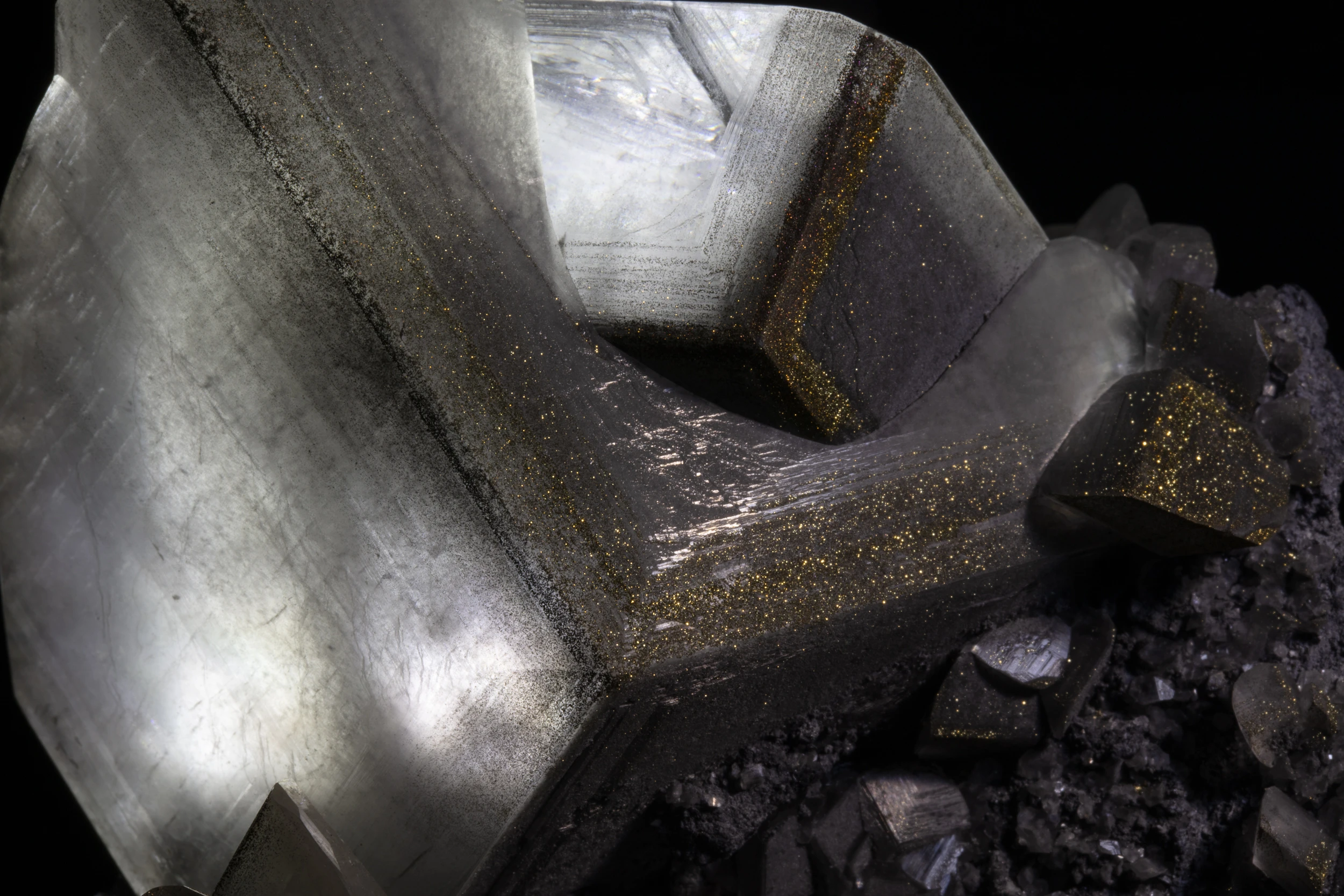
A selection from the collection: complete specimens and macro views.
Portraits on commission
The database, the filters and the classification were written from scratch, in PHP and JavaScript, and the site grows as the collection does. I photograph, I build, and I keep it running.
The same approach for a research institute: The Jackson Laboratory, where the photography led to the laboratory websites.